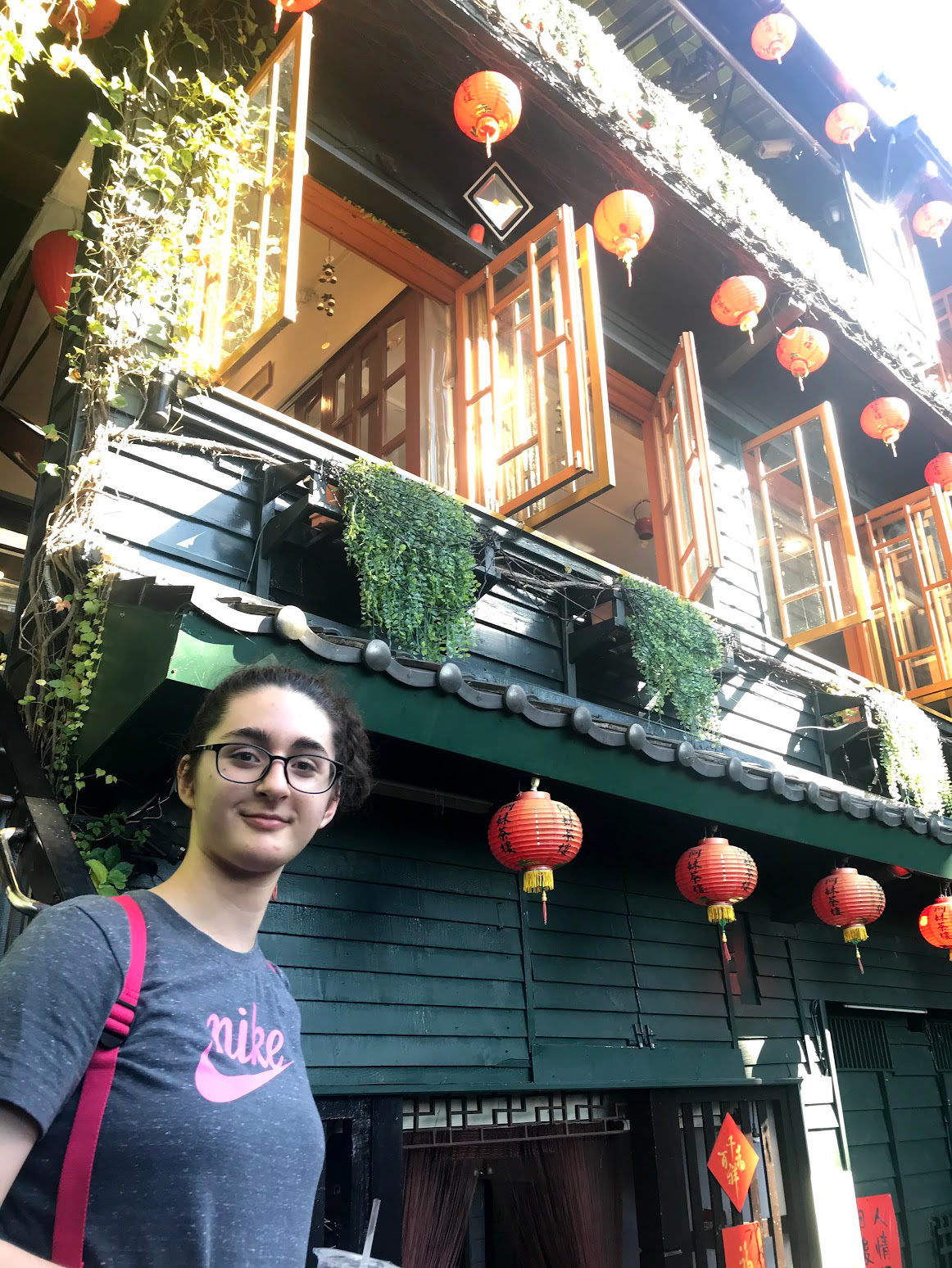
Anisa in Taipei
MY (安妮莎) CHINESE LEARNING JOURNEY
LEARNING MANDARIN CHINESE WHILE IMPROVING MY ART SKILLS AND EXPLORING THE CULTURE IN TAIPEI
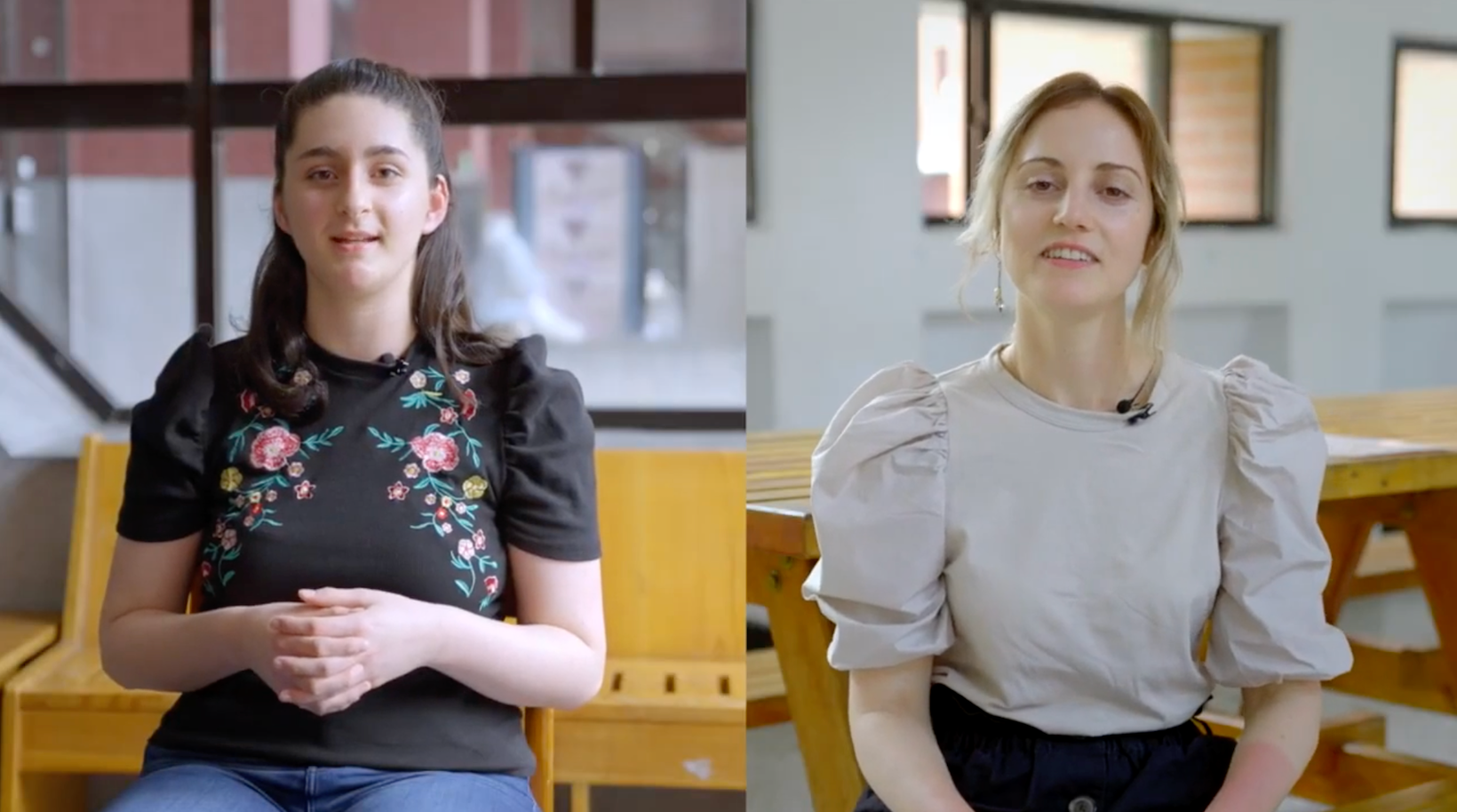
Thanks to the "OCAC," is the Overseas Community Affairs Council Republic of China, and the Taiwan Center for Mandarin Learning for interviewing me for their promotional video on learning Chinese. Please allow me to explain my Chinese learning journey;
I then moved to Taipei 🇹🇼 and studied Traditional Chinese for two years for one year at National Taipei University of Education and another year at Shih Chien University Chinese Language Center
Mastering Chinese Tones: Lessons from Dr. Pan
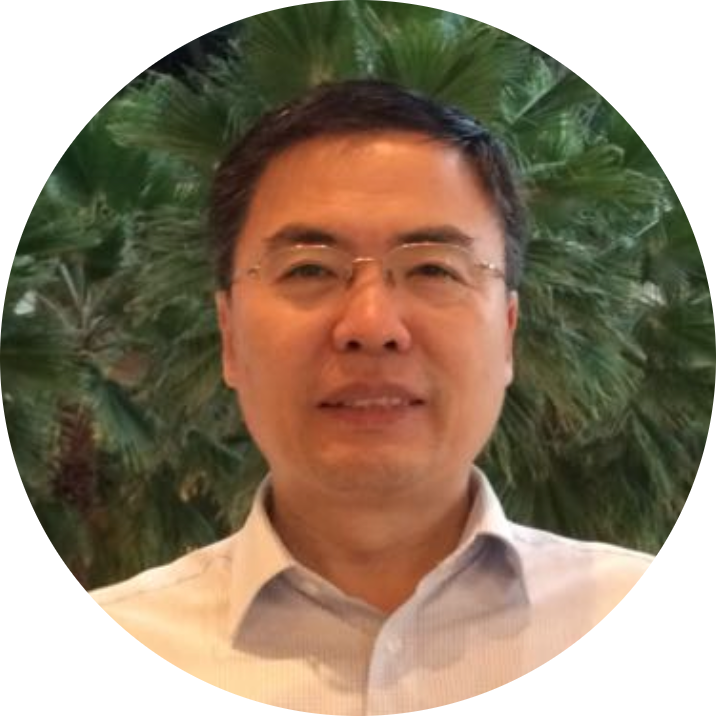
Shouwen Pan was a professor of English at Jilin University before joining China Institute in 2017. From 2000 to 2001, he was a William Fulbright Scholar, sponsored by the U.S. Department of State and hosted by the University of Mississippi. In 2007, he received his Ph.D. in English Literature from Nankai University. In 2008, he began conducting research on Chinese classics by applying Western literary critical theory. From 2010 to 2014, he taught classical Chinese philosophy, classical Chinese literature, and Chinese at the Confucius Institute of Rutgers University. In 2015, Dr. Pan published his monograph Interpretation and Translation of Dao De Jing 《道德经解译》. In the same year, his scholarly paper “On Lao Tzu’s Special Subjectivity and the Self-Sufficiency of Tao Te Ching” was published in the Journal of Changchun University. In 2017, he completed his research project, “International Promotion of Classical Chinese Philosophy and Literature,” which was supported by Jilin University and the Department of Education of Jilin Province. At China Institute, in addition to teaching and tutoring Chinese language lessons, Dr. Pan has offered a highly well-received course in his specialty: Understanding Dao De Jing.
I was honored to receive personal Simplified Chinese 🇨🇳 training from Shouwen Pan in Secaucus, New Jersey, for one year. He was an exceptional teacher who focused heavily on helping me master Chinese tones and preparing me for the next chapter of my Chinese learning journey. I still remember him telling us, “For one year, I will teach you only the tones, because tones are extremely important in Chinese. But afterward, everything will become much easier for you.” It truly happened exactly as he said. Afterward, during my two years of study in Taipei, I felt very comfortable learning Chinese and was able to progress through all of the modules quickly and successfully.
Shih Chien University
National Taipei University of Education
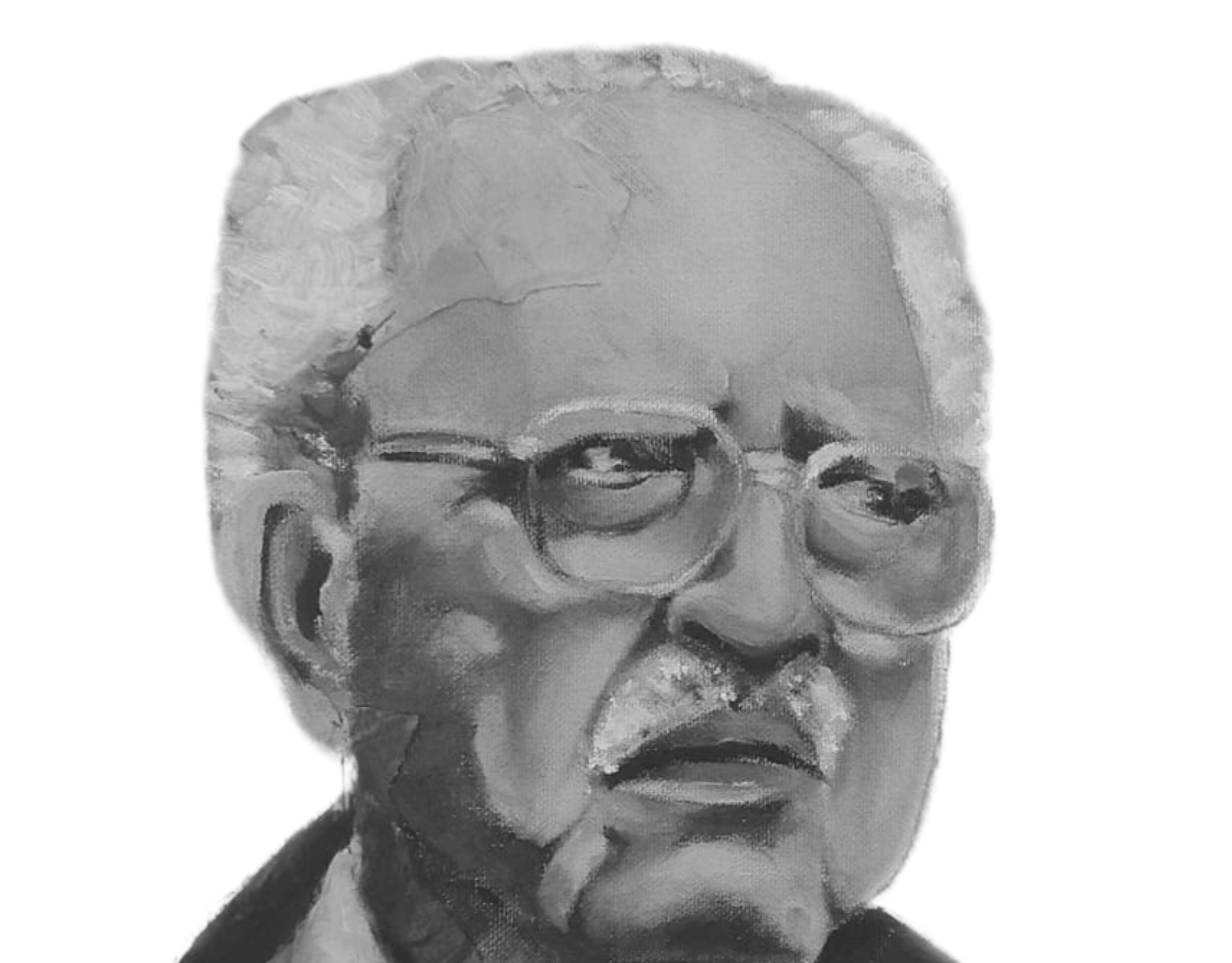
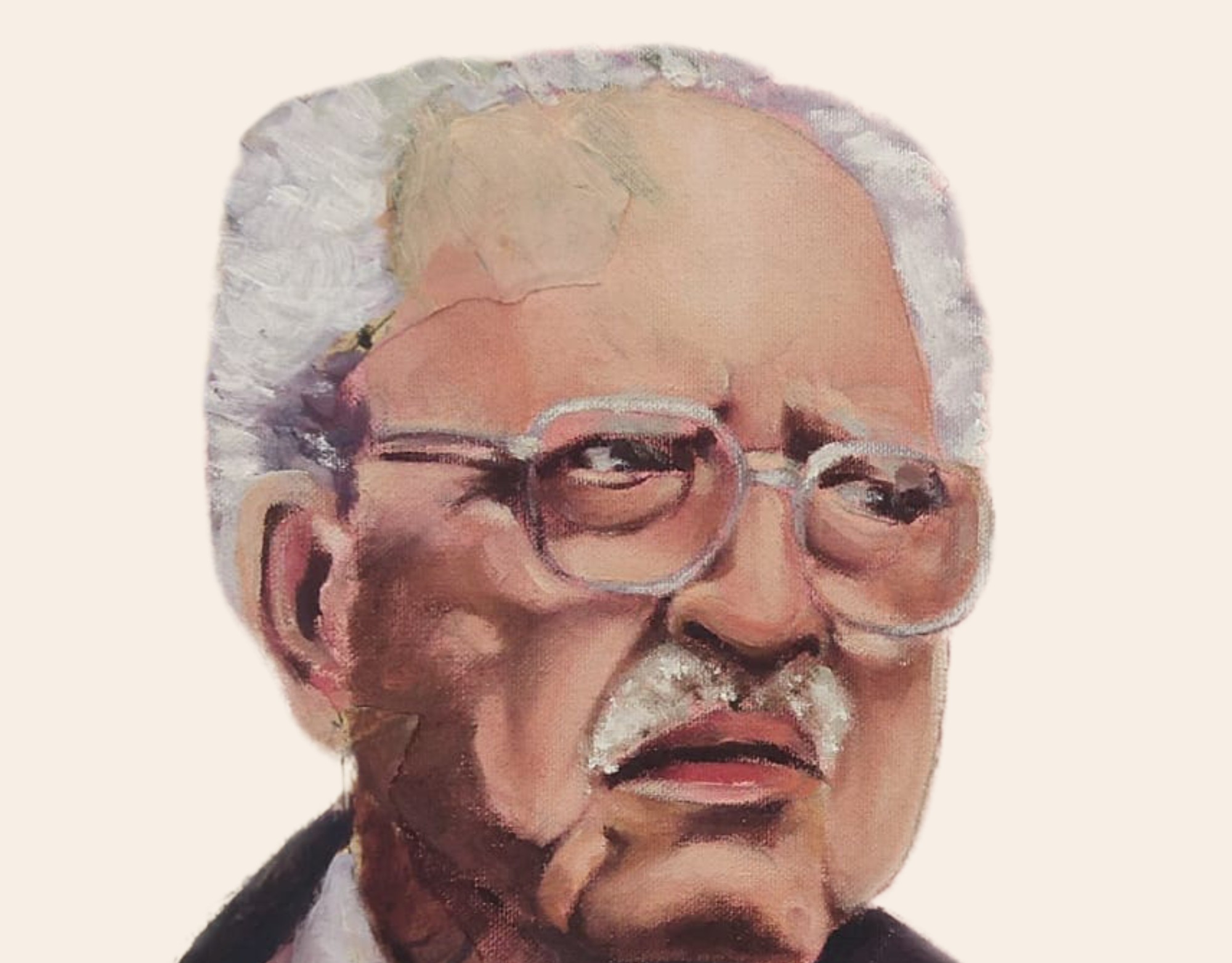
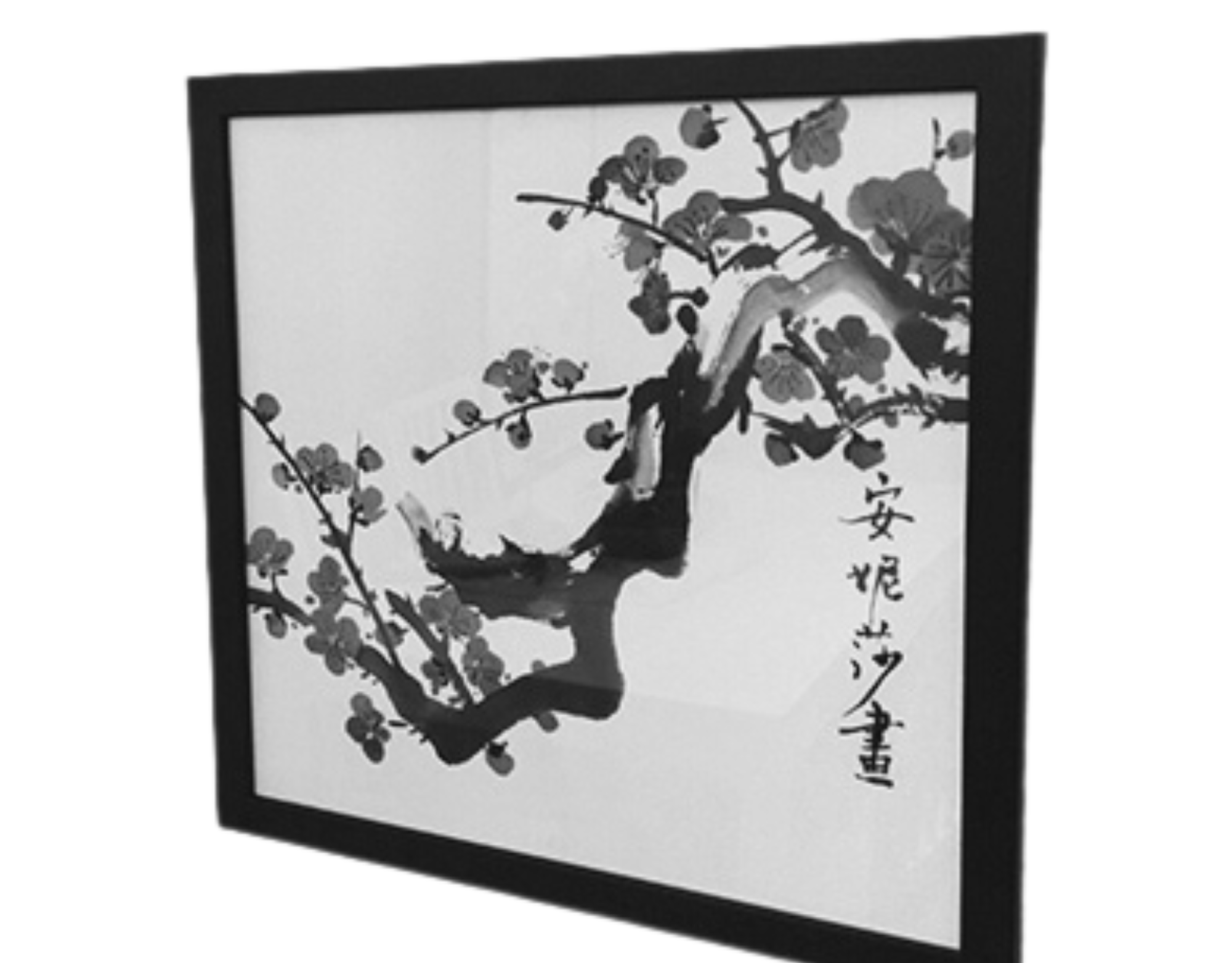
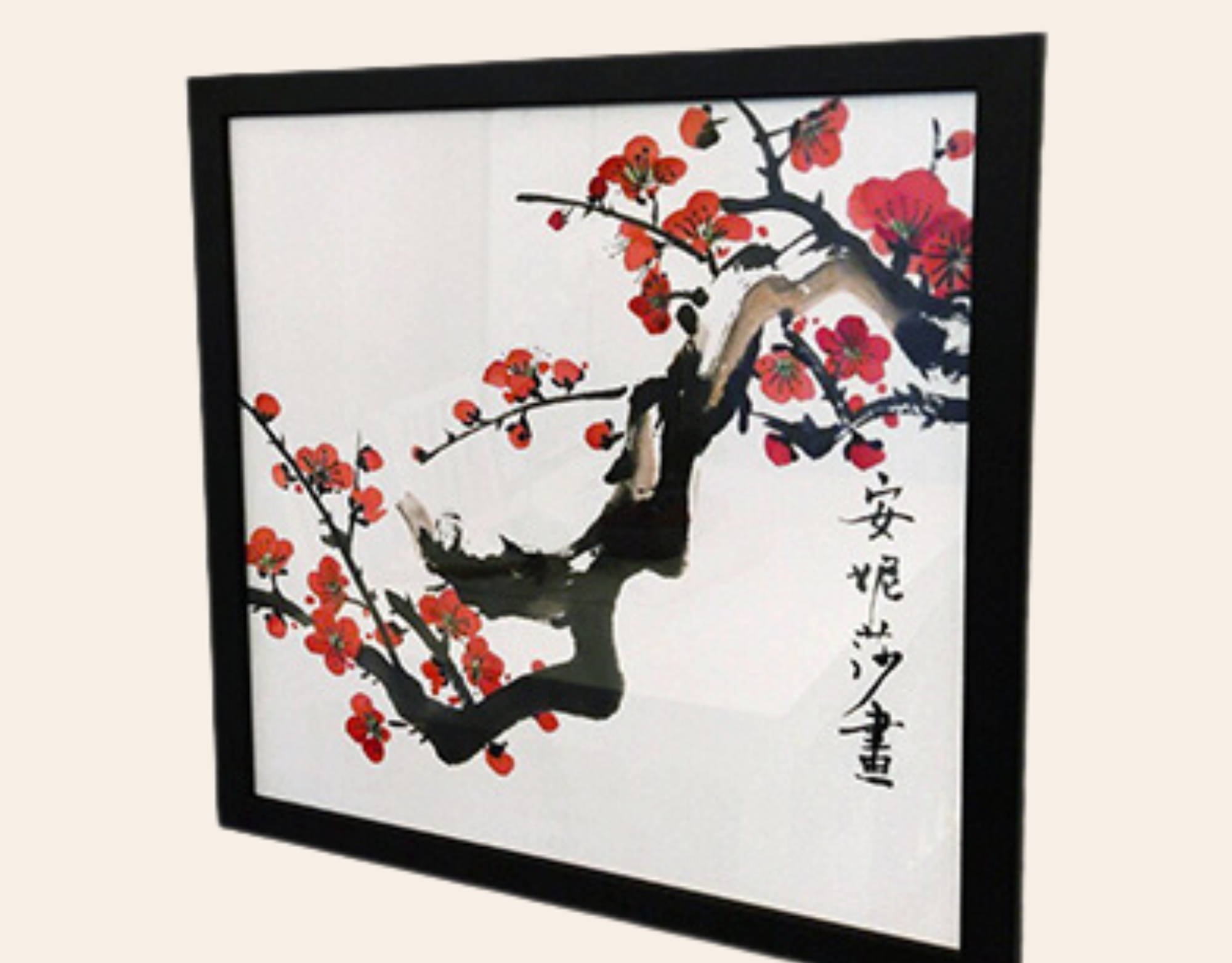
I also improved my Fine Arts skills in Taipei and received personal training from Song Binghui in Chinese. He is a seasoned artist who organizes his exhibitions in Asia with a vast following. In his Le Rong Studio 大直樂融畫室 where he trained me in Oil Painting, Chinese Watercolor, Calligraphy, and Still Life Drawing. He applies various art methods to define a sketch's progression and the scenes' essence. His artwork reveals and combines tradition and contemporary with an entirely different style.
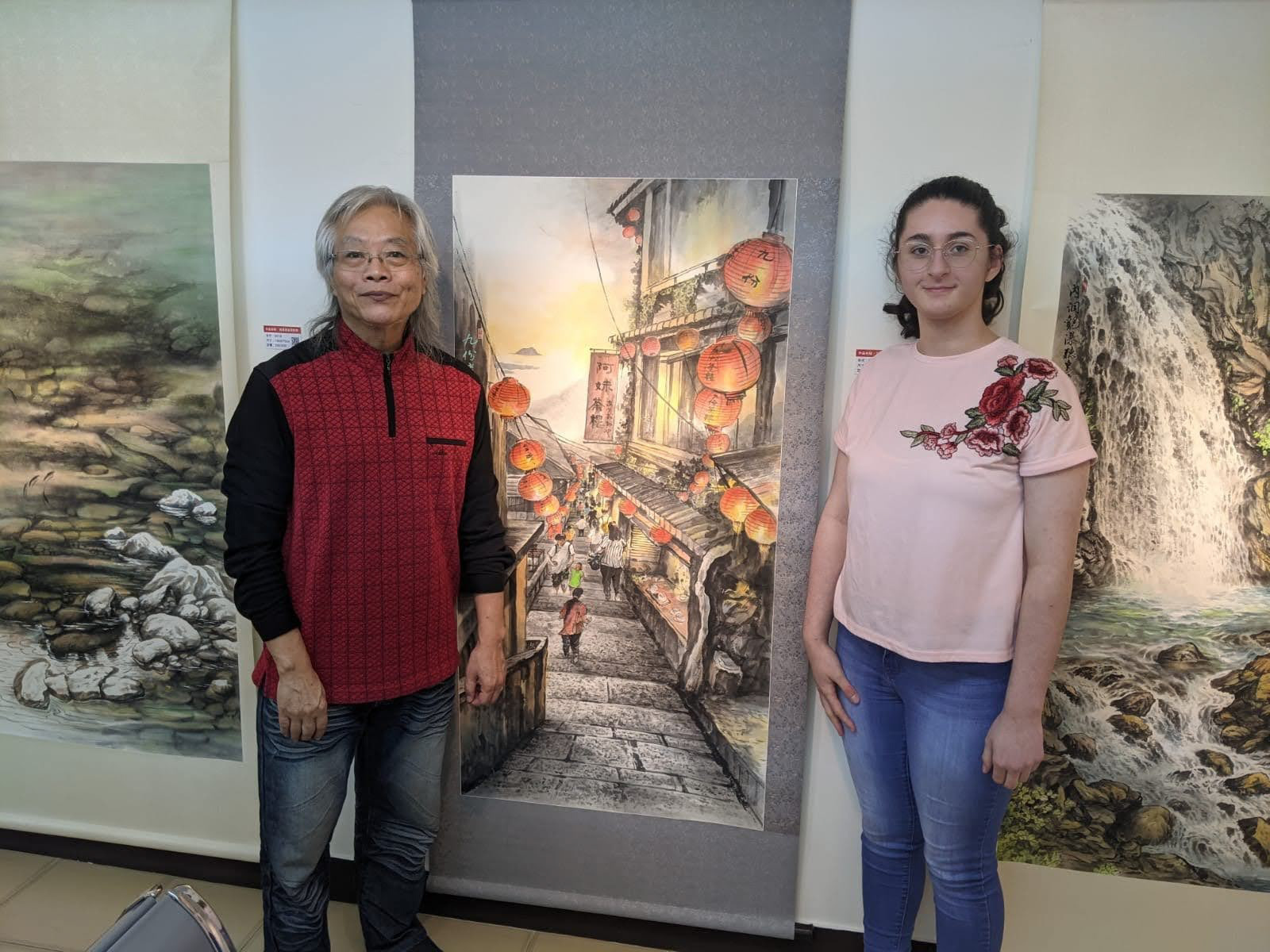
Song Binghui with Anisa Ozalp
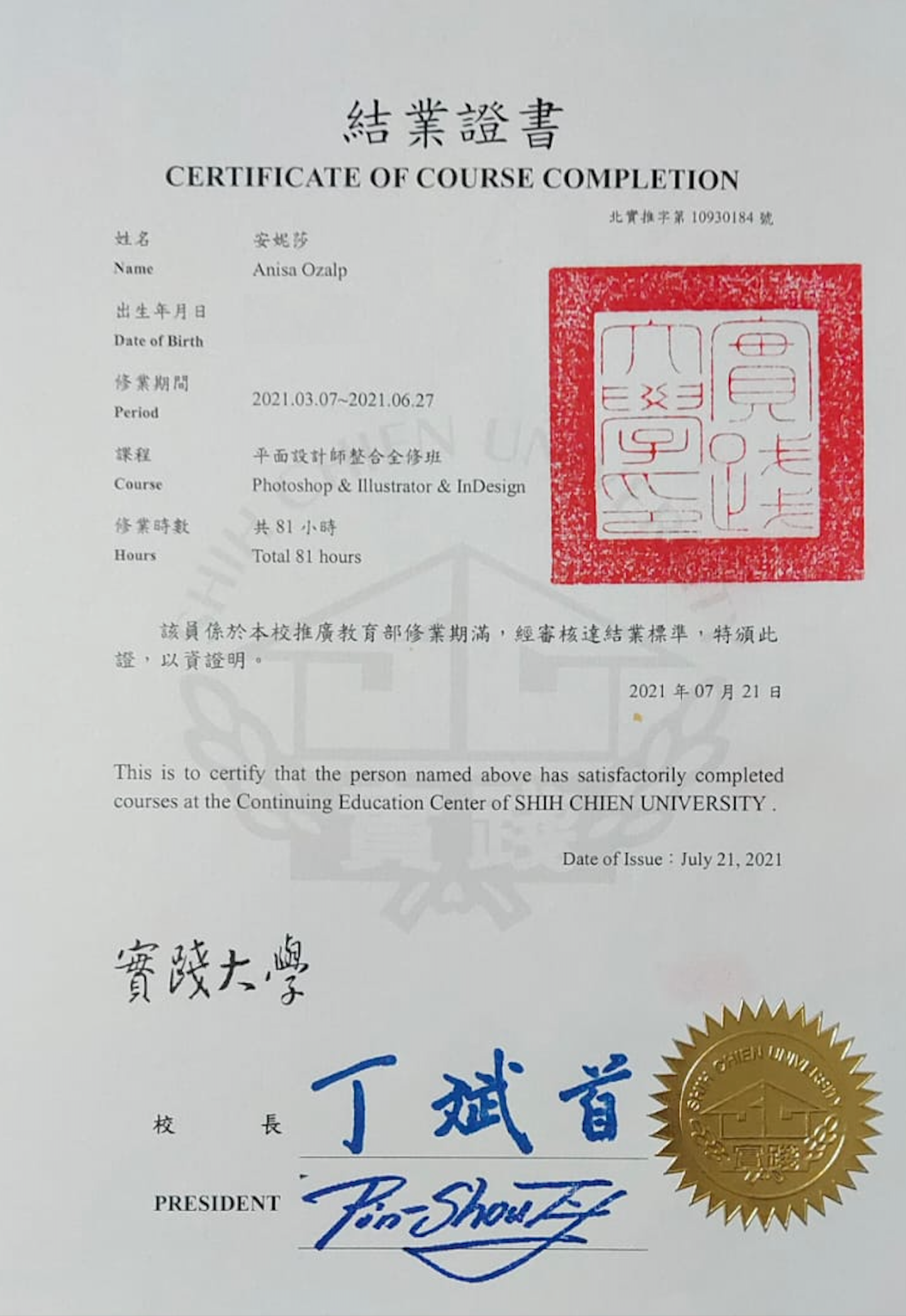
Adobe Courses
I then joined Shih Chien University Continuous Learning Center with Adobe Courses, consisting of Photoshop, Illustrator, and InDesign, and received my Adobe certification. Shih Chien is considered one of the top schools in Art & Design in Taipei and the world and is ranked #7 College ranking by Global Views.
I also completed Fashion Design Course in 2021 from Shih Chien University. The program develops skills for the fashion design industry. The purpose is to bring students with little to no fashion experience to complete a personal collection. They teach everything from basic sewing skills to the applications of industrial knowledge.
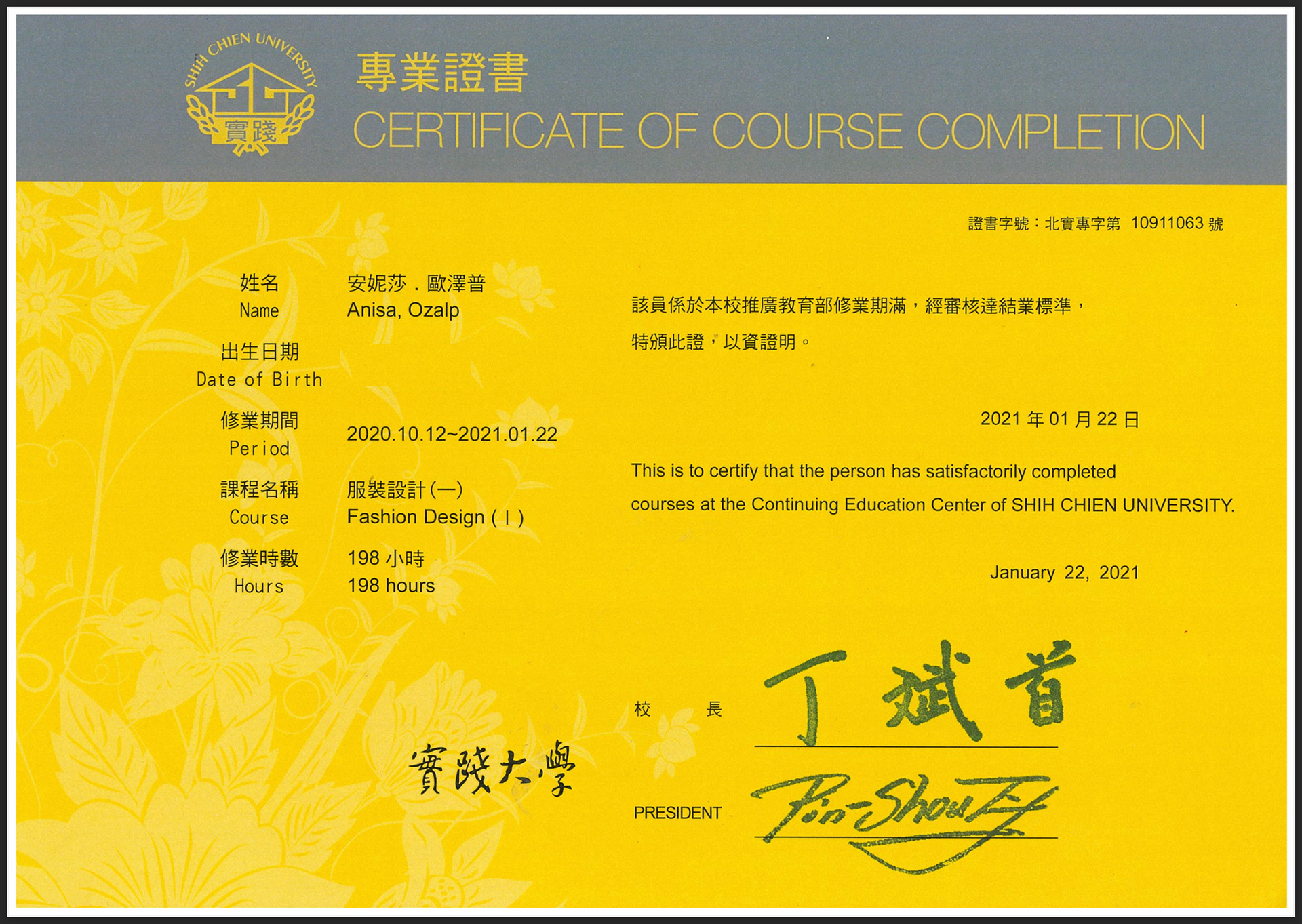
Fashion Design Course
Lessons Completed: Fashion Design, Apparel Construction, Fashion Illustration, Textile Design, and Color.
Joining different courses in Adobe, Art, and Fashion (Classes received in Chinese) helped with my Chinese learning ability in a shorter time.
OCAC PROMOTION VIDEO
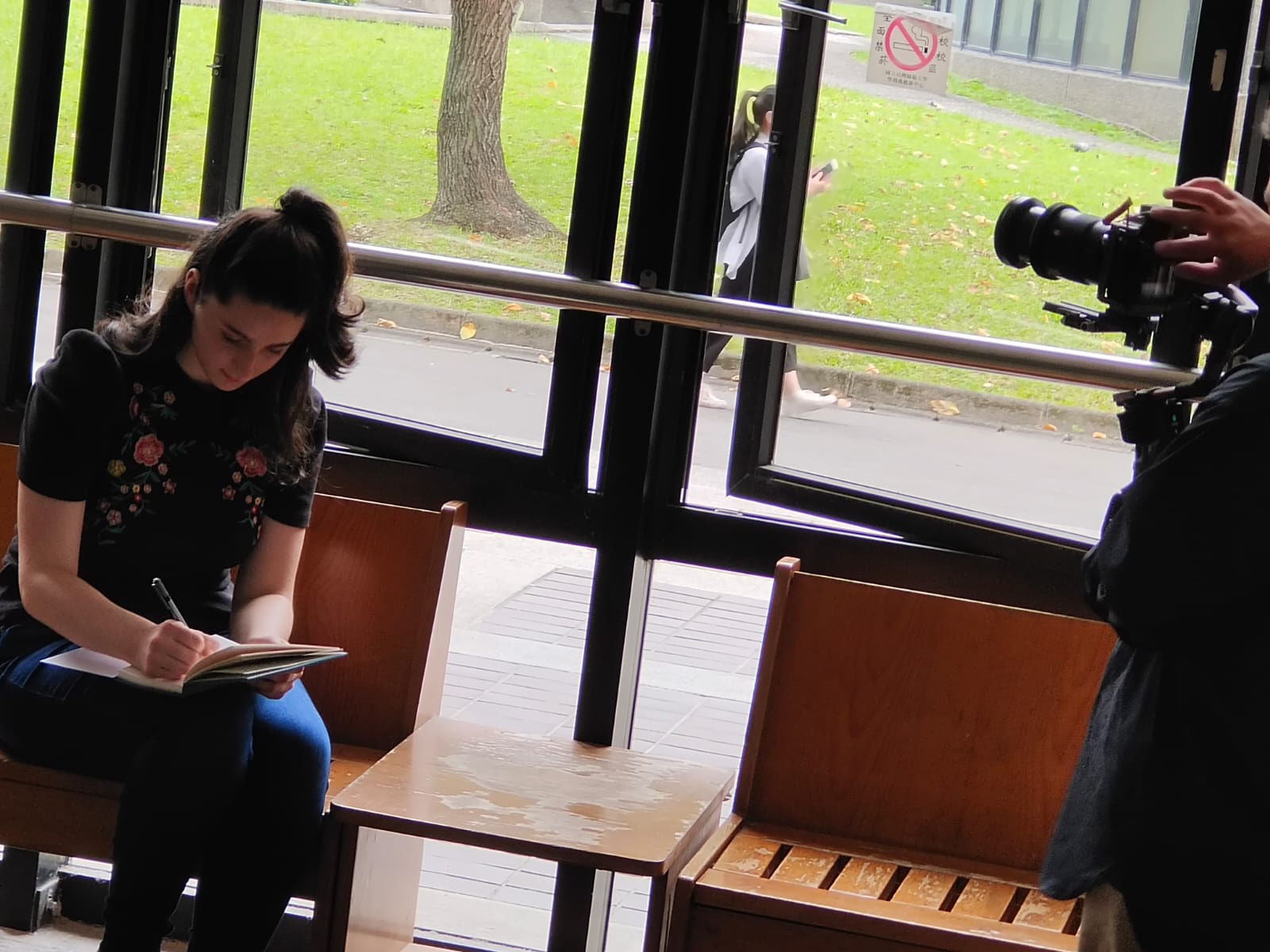
OCAC PROMOTION VIDEO
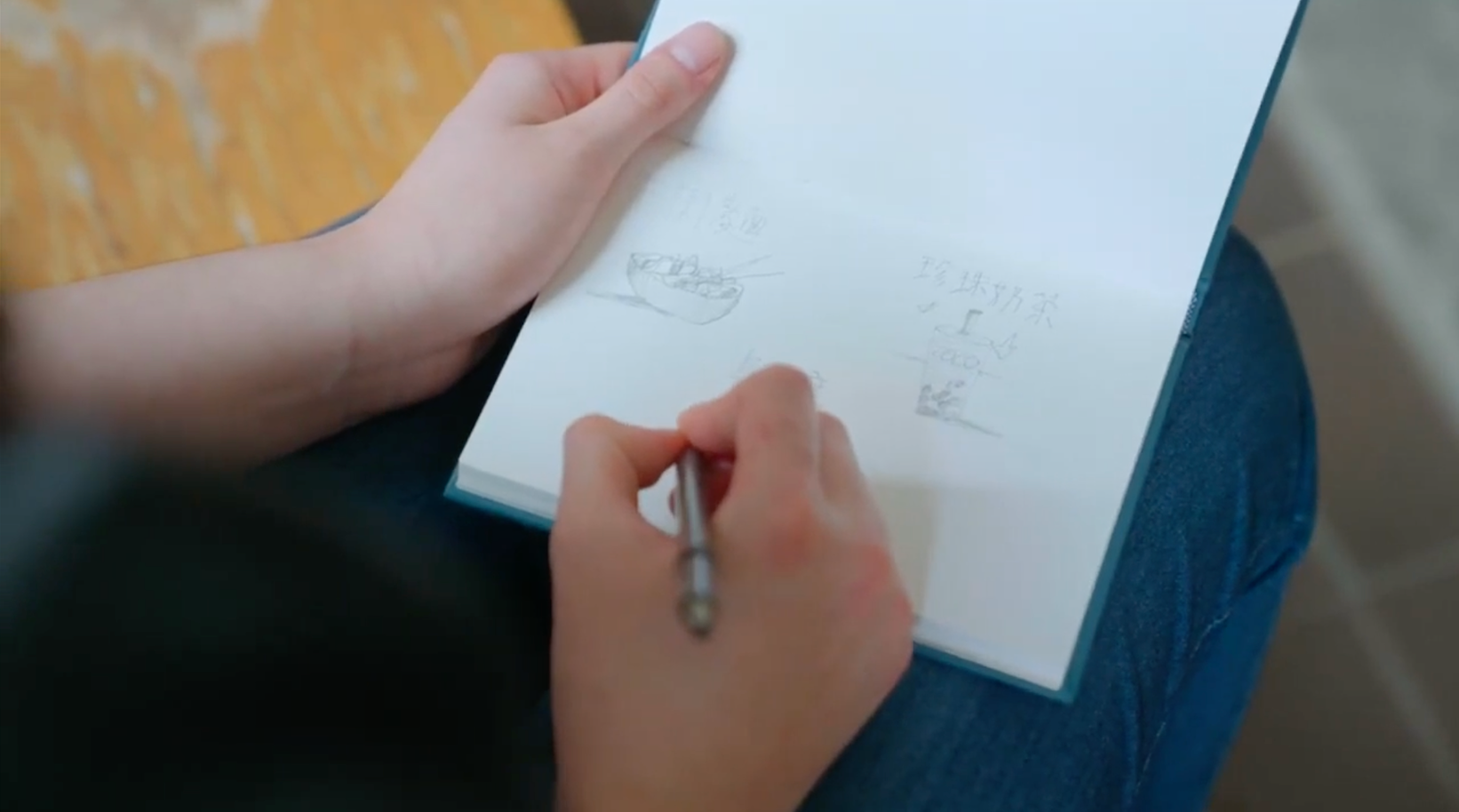
My personal notes for the written questionnaire given to me for the interview are below:
Question: Reasons to Study in Taiwan by Anisa 安妮莎 Ozalp
May 4, 2021
1. Do you like learning traditional Chinese characters? Why? Which pinyin method is more helpful to you when learning Chinese? (注音符號 Zhuyin vs 羅馬拼音 WG) Why?
My answer: I like learning traditional Chinese characters because Chinese is becoming increasingly critical every day due to economic and technological developments in Chinese-speaking countries. I decided to learn Traditional Chinese instead of Simplified in Taiwan because once you master the traditional one, you can read ancient books like Confucious, whose teachings and philosophy formed the East Asian culture and society, which remain influential today. Once you know, traditional and simplified can be learned easily anyway.
Pinyin is definitely easier for a beginner because it uses the Roman alphabet, but this pronunciation might not be correct all the time. Zhuyin has a total of 37 phonetic symbols and consists of all the basic sounds of Mandarin. Zhuyin is also called “bo-po-mo-fo” and is more accurate in pronunciation.
2. What are the differences in teaching/learning Chinese between Taiwan and China, such as teaching methods, textbooks, and content? For example, more topics can be discussed when learning Chinese in Taiwan because of freedom of speech, etc.
(Any observations or personal experiences in this area are welcome to share)
My answer: I am unfamiliar with how China differs from Taiwan's teaching methods. Still, I can tell you that Taiwan focuses on preserving centuries of Chinese history and reflecting on its teaching methods. The amount of information you're able to access from the internet is much more in Taiwan, being that it's not filtered or restricted, which makes studying easier for students. Taiwan is very similar to the United States in how it does things.
3. Do you think learning Chinese in Taiwan is an interesting experience? Can you give examples of teachers' teaching methods that impress you the most?
My answer: Learning Chinese in Taiwan is an exciting experience because it allows me to incorporate my artistic interests with the language. I’m receiving private courses for my master's and advancing in Chinese Watercolor, Chinese Calligraphy, Oil Painting, Sculpting, 3D Designs, and more in Taipei. It would not be that easy if I were in New York to reach out to this level of master's and have valuable one-on-one apprenticeships from them. The good thing is that while I am learning new skills, at the same time, I am improving my Chinese here.
One of the teacher’s teaching methods that impress me the most is my current class at Shih Chien University, where my teacher makes learning fun, interactive, and social. We do social learning activities that allow me to interact with the locals while learning the culture. The best way to learn is to be more involved with the people.
4. Do you think Taiwan is the best choice for learning Chinese? Why? Would you recommend foreigners coming to Taiwan to learn Chinese?
My answer: I think Taiwan is the best choice for learning Chinese because it’s very welcoming to foreigners, and they do their best to teach foreigners about the beauty of the language and the culture.
I would recommend foreigners come to Taiwan to learn Chinese because it is ranked one of the best places in the world for foreigners to live. Its beautiful countryside, exotic island, international cuisine, coffee shops, and general financial ease make it a delightful place to live. It’s an affordable place to live, eat, work, and have fun. The locals are friendly and always willing to help.
5. What’s your impression of Taiwan? How would you describe Taiwan to your family and friends?
My answer: I think Taiwan has reasonably low-price living expenses in Taiwan; you do not have to worry about the high costs and tuition. In addition to that, many universities provide scholarships to international students.
Taiwan has one of the modern and reliable public transportation systems. In Taipei City, the Mass Rapid Transit, also known as the MRT, can take you anywhere in Taipei for less than a US dollar. Public transportation accepts student ID cards as a form of payment and even provides student discounts. It’s super easy to get around in the city.
OCAC PROMOTION VIDEO
OCAC PROMOTION VIDEO
OCAC PROMOTION VIDEO
OCAC PROMOTION VIDEO
OCAC PROMOTION VIDEO
OCAC PROMOTION VIDEO
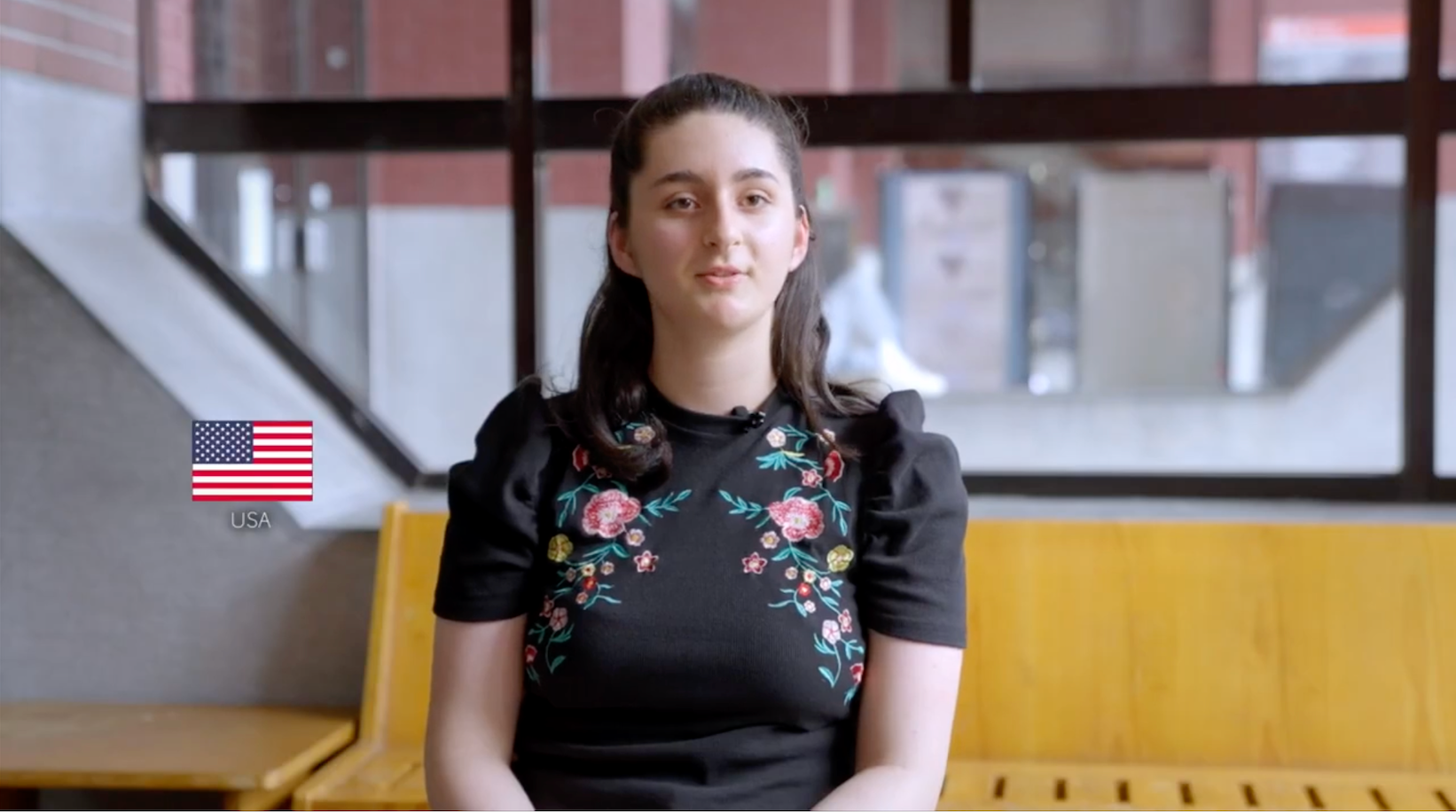
OCAC PROMOTION VIDEO
SHIH CHIEN SCHOOL Project: PRESENTATION in CHINESE (2021)
Bridging Cultures: Anisa Ozalp's Journey to Mastery in Art and Chinese Language in Taipei
Immerse yourself in the inspiring narrative of Anisa Ozalp as she navigates her unique learning journey, mastering Mandarin Chinese while simultaneously honing her artistic skills in the vibrant city of Taipei. Thanks to OCAC - the Overseas Community Affairs Council, Republic of China, and Taiwan Center for Mandarin Learning - we gain intimate insights into her cultural and educational experiences. Anisa's early years saw her receive Simplified Chinese training in the United States from Shouwen Pan, paving her path to Traditional Chinese studies in Taiwan's esteemed institutions - the National Taipei University of Education and Shih Chien University Chinese Language Center.
Her passion for art found fulfillment in the esteemed artist Song Binghui's mentorship at the Le Rong Studio, Taipei. Anisa honed her skills in Chinese Watercolor, Calligraphy, Oil Painting, and Still Life Drawing under his expert guidance. Her dedication to continuous learning led her to pursue Adobe Courses at Shih Chien University's Continuous Learning Center, helping her acquire an Adobe certification. The university, recognized as one of the top institutions for Art & Design worldwide, also facilitated her completion of a comprehensive Fashion Design course.
Diving deep into the differences between Taiwan's and China's Chinese teaching methodologies, Anisa's interview reveals the unfiltered, robust educational experiences Taiwan offers. Her journey proves that Taiwan is not only the ideal destination for Chinese language studies but also a thriving hub for artistic pursuits and cultural exchange. Join Anisa Ozalp on her journey, view her masterpieces, and experience her personal revelations in the OCAC promotional videos or through her Youtube channel, where she delves into her creative process.
My Chinese Learning Journey
My Chinese language journey has been shaped by sustained formal coursework, immersive study in Taiwan, and applied Mandarin use in academic and professional fine arts training. Over time, I developed into an advanced Chinese speaker through a combination of private instruction, intensive university language programs, daily life in Taipei, and specialized art training conducted in Mandarin.
My learning began in New Jersey with one year of private Simplified Chinese instruction with Shouwen Pan. His teaching focused heavily on Mandarin tones, pronunciation accuracy, and the phonetic foundations that students need to master early in order to communicate clearly. This foundation prepared me for the next stage of my learning: intensive Traditional Chinese study in Taiwan.
I then moved to Taipei, Taiwan, where I completed two years of Traditional Chinese study through structured language programs at National Taipei University of Education (NTUE) and the Chinese Language Center of Shih Chien University (SCU). My NTUE documentation shows four consecutive 155-hour Mandarin Chinese Program terms, totaling 620 hours, with high performance and full attendance across sessions. My first term, from December 2, 2019 to February 19, 2020, shows a total grade of 96.7, with proficiency scores of Listening 95, Speaking 94, Reading 95, and Writing 94. The later terms show similarly strong results: 93.8 from March 2 to May 15, 2020; 95.0 from June 1 to August 13, 2020; and 95.0 from September 1 to November 16, 2020. Across these terms, I continued to earn high listening, speaking, reading, and writing proficiency scores.
At the same time, I strengthened my Mandarin through private fine arts training in Taipei with Song Binghui at Le Rong Studio, 大直樂融畫室. He trained me in oil painting, Chinese watercolor, calligraphy, and still life drawing, and instruction took place in Mandarin. This required me to use specialized vocabulary and communicate complex concepts in Chinese, including composition, technique, critique, and artistic intention. Through this experience, my language skills expanded beyond classroom contexts and into a professional creative environment.
LISTENING SKILLS
My listening skills were built through systematic tone training, classroom immersion, and daily real-world comprehension in Taipei. During my private instruction in the United States, Shouwen Pan trained my ear to recognize tone differences reliably, which was essential because tones change meaning in Mandarin.
One major practice we used was tone discrimination drills, especially tone pairs. He would speak words and short sentences at different speeds, and I had to identify the tones, repeat them accurately, and self-correct when the meaning changed. He also trained me to hear common pronunciation mistakes that English speakers make, such as flattening tone contours or confusing second and third tones. This practice gave me strong listening accuracy at the foundation level.
When I moved to Taipei, listening became more advanced and academic. At NTUE, classes required me to understand instructors speaking at natural speed and respond without relying on English support. I practiced listening for both gist and detail in lecture-style explanations, including grammar instruction, cultural discussions, and corrections. I also completed listening exams that required quick comprehension and accurate responses. My NTUE proficiency scores document strong listening performance across multiple terms, including Listening 95 in the first 155-hour term.
Outside the classroom, daily life required real-time comprehension in transportation, ordering food, housing communication, and school administration. In my art training, listening was especially demanding because critiques were fast and detailed. I learned to follow feedback about line weight, brush technique, shading, layering, and composition, and I had to understand nuanced suggestions about how to revise my work.
SPEAKING SKILLS
My speaking skills developed from controlled pronunciation practice into confident, spontaneous fluency in academic and professional settings. In the United States, Shouwen Pan emphasized that correct tones and pronunciation must become automatic.
One speaking practice we used was shadowing, where I repeated sentences immediately after he spoke them in order to match rhythm, tone contour, and pronunciation. We also used structured conversation practice, where I was required to answer questions using specific grammar patterns while he corrected my tone accuracy in real time. This created strong habits for clarity and reduced hesitation.
In Taiwan, my speaking expanded because classroom participation was constant and expected. At NTUE and later SCU, I participated in discussions, answered questions, and practiced presenting in Mandarin. Speaking practice included summarizing readings orally, giving short talks, and responding to follow-up questions from instructors and classmates. These experiences pushed me beyond memorized dialogue and into analytical communication, including explaining ideas, giving opinions, and supporting arguments.
In the art studio, my speaking skills became even more advanced because critiques were interactive. I had to describe my artistic goals, explain why I made certain compositional choices, ask technique-based questions, and respond to feedback entirely in Mandarin during my private calligraphy, Chinese watercolor, and oil painting classes. This built professional-level communication because the vocabulary was specialized and the conversations were conceptual, not limited to daily life topics. I also obtained a fashion design certificate and communicated in Mandarin during my adobe courses, fashion drawing and clothing design classes at Shih Chien University in Taipei.
READING SKILLS
My reading skills reflect training in both Simplified and Traditional Chinese, as well as progression into academic-level comprehension. I began reading in Simplified Chinese in the United States, where I learned foundational vocabulary, radicals, and sentence structure. This helped me build early reading fluency and recognize patterns in character formation.
When I moved to Taiwan, I transitioned into Traditional Chinese, which required learning more complex character forms and increasing my reading endurance. At NTUE and SCU, reading became a daily academic skill. I read course dialogues, essays, and cultural texts in Traditional Chinese and learned to extract meaning quickly.
I practiced skimming for main ideas and scanning for key information during quizzes and timed reading tasks. I also developed the ability to compare Traditional and Simplified versions of characters and understand how meaning remains consistent even when forms change. I intentionally chose to study Traditional Chinese because it connects to historical literacy and classical sources. As I explained in my reflection, once Traditional characters are mastered, Simplified becomes easier to recognize, and Traditional literacy supports deeper cultural understanding.
WRITING SKILLS
My writing ability developed through structured academic composition, grammar practice, revision, and artistic discipline through calligraphy. Early writing practice focused on stroke order and clear character formation. In Taiwan, writing expanded into paragraph-level structure and composition-based assignments.
In my language courses, I practiced sentence construction using grammar patterns appropriate for academic writing. I also learned how to connect ideas with transitions, organize a beginning–middle–end structure, and present opinions logically.
A major writing practice I used was revision based on instructor feedback. Instead of writing once, I improved by rewriting, correcting grammar, improving clarity, and strengthening structure. This helped me move from basic writing into more formal Mandarin composition. My writing proficiency scores in the NTUE terms demonstrate consistent performance while working at an intensive pace, including Writing 94 in the first term and Writing 88 in later terms while maintaining high overall scores.
My calligraphy training reinforced writing discipline because calligraphy requires precision, balance, spacing, and control. Practicing calligraphy improved the accuracy and confidence of my handwritten Chinese and deepened my understanding of character structure in Traditional script.
CONCLUSION
My Chinese language learning reflects rigorous development through one year of private Simplified Chinese training in the United States, followed by two years of Traditional Chinese study in Taipei through NTUE and SCU programs. My NTUE documentation records four consecutive 155-hour Mandarin Chinese Program terms, totaling 620 hours, with documented high performance and full attendance across multiple sessions.
In addition to academic coursework, I applied Mandarin in professional fine arts training at Le Rong Studio, using Chinese for critique, technique, and conceptual discussion, as well as in the fashion classes I took at Shih Chien University. This expanded my communication skills into specialized vocabulary and advanced expression.
Through these combined experiences, I developed Chinese language ability across listening, speaking, reading, and writing, while also connecting the language to art, culture, and daily life in Taiwan. Through my university’s Prior Learning Assessment program, which evaluates college-level knowledge acquired outside of a traditional classroom, I also received 6 college credits for Chinese.
PLA Evaluation Report: Chinese Language Credit Recommendation for Anisa Ozalp
By Mao Chen, Professor of Chinese Language and Literature and the Courtney and Steven Ross Chair in Interdisciplinary Studies at Skidmore University
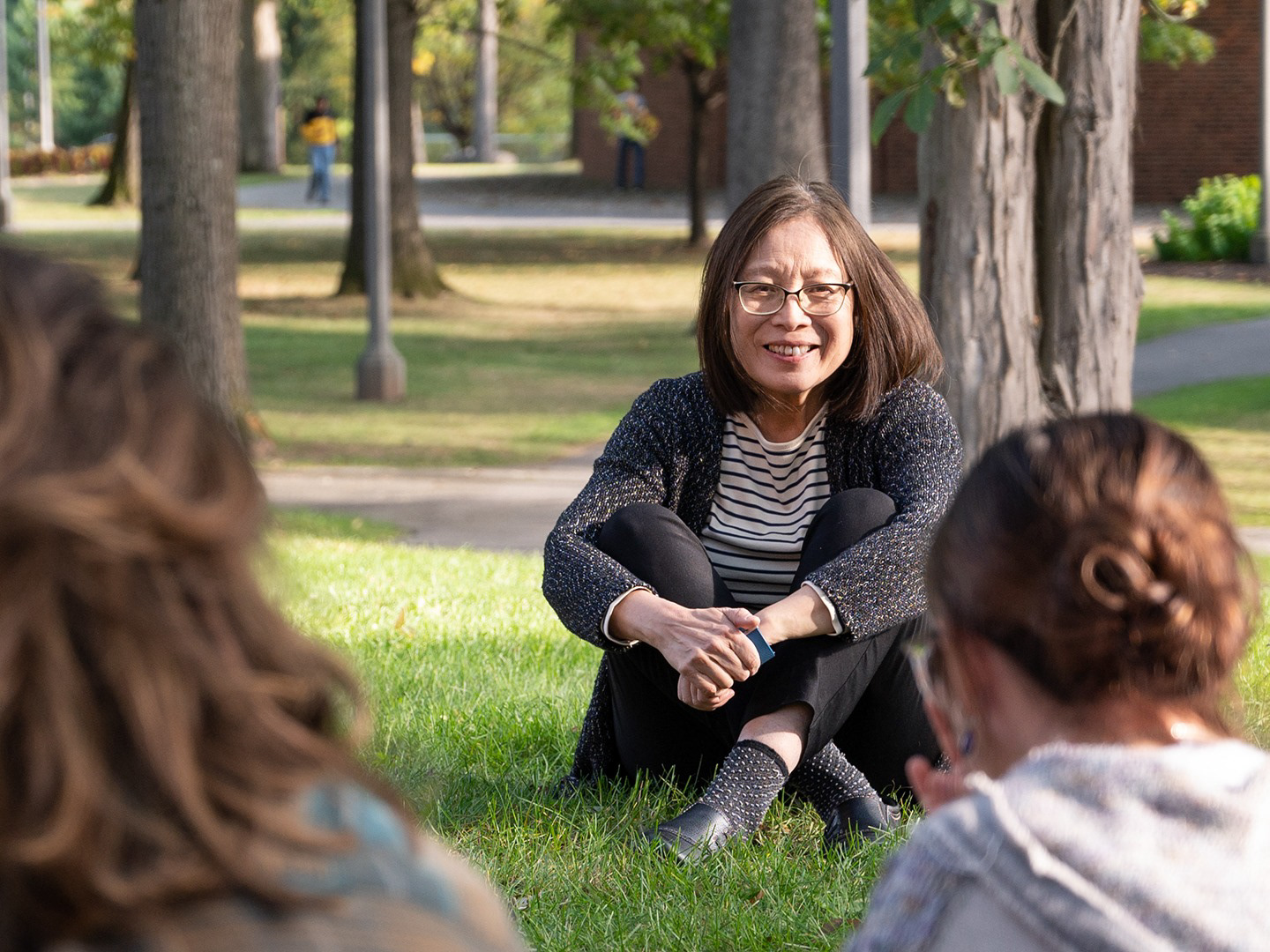
PLA Title: Chinese Language
Degree Sought: Associate's Applicable to both Associate and Bachelor degrees
Student Request: Chinese Language 6 cr -- Lib: N -- Adv: Y (GenEd: World Languages)
Evaluator Recommendation:
Chinese Language 6 cr -- Lib: N -- Adv: Y (GenEd: World Languages)
Evaluator Report:
Anisa Ozalp, who is requesting six upper-division undergraduate credits in Chinese Language (Mandarin) based on sustained formal coursework, immersive study in Taiwan, and applied Mandarin use in academic and professional fine arts training, had a telephone interview with me on June 3rd, 2026.
Before the telephone interview I reviewed Anisa’s essay on her background of the Chinese language study. She began her Chinese language study in the United States for a year prior to moving to Taiwan, where she stayed for two years. During her two years in Taiwan, Anisa attended Chinese language classes and seriously studied the language throughout the entire time there. Her first year of study was in the National Taipei University of Education — Chinese Language Education Center (國立臺北教育大學華語文中心), one of the strongest Chinese language education institutions in the field. Anisa spent a total of 620 hours in class during her first year in this Center. Her competence level progressed significantly while at the National Taipei University of Education, starting from elementary level and reaching intermediate level by the time she completed the first year there. During her second year in Taiwan, Anisa attended Shi Chien University — Chinese Language Center (實踐大學華語中心), where she spent a total of 315 hours in class for her Chinese language study, completed six volumes of the textbook series, A Course in Contemporary Chinese (當代中文課程), earning an A+ level performance.
During the interview over the phone, Anisa demonstrated an advanced level of understanding in Chinese language and culture. She was able to converse in Chinese (Mandarin) freely and fluently and was able to narrate her learning experience about the Chinese language learning without any mistakes. Anisa also is able to discuss some of her favorite places and experiences in Taiwan in fluent Chinese with me, and her use of the language was highly accurate and precise with near-native pronunciation and intonation. Following the telephone interview, Anisa provided me with a writing sample which reflected her excellent command of written Chinese. Throughout this evaluation process, Anisa has successfully demonstrated her knowledge of the Chinese language at an advanced level and her competence in the Chinese literacy in written form.
Based on her interview, her written essay, and my evaluation of her work, both written and oral communication, I recommend that Anisa Ozalp receive six advanced credits for Chinese, fulfilling her request of upper-division undergraduate credits. Please let me know if you have any questions.
TAIPEI DANGAI (2021)
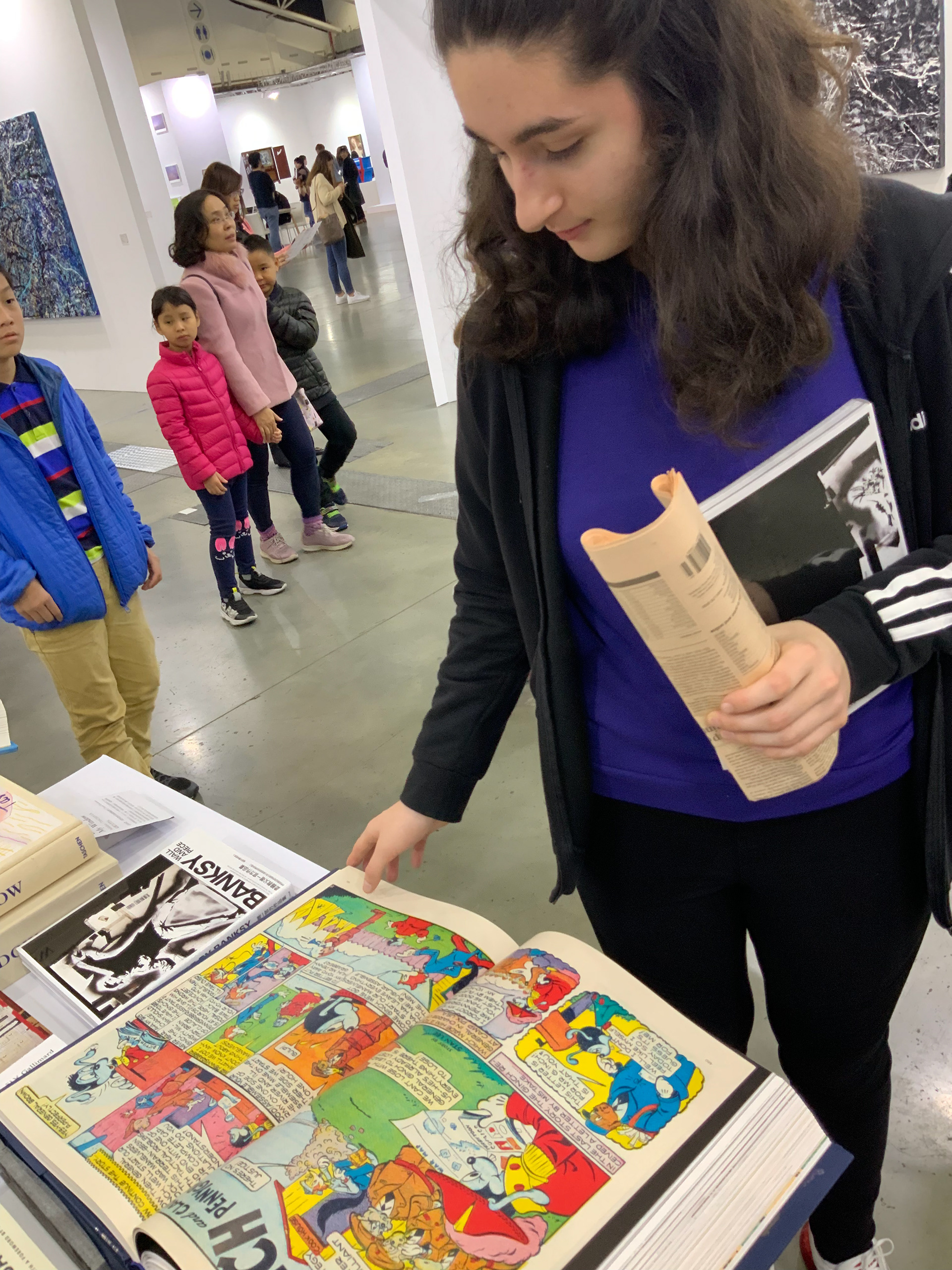
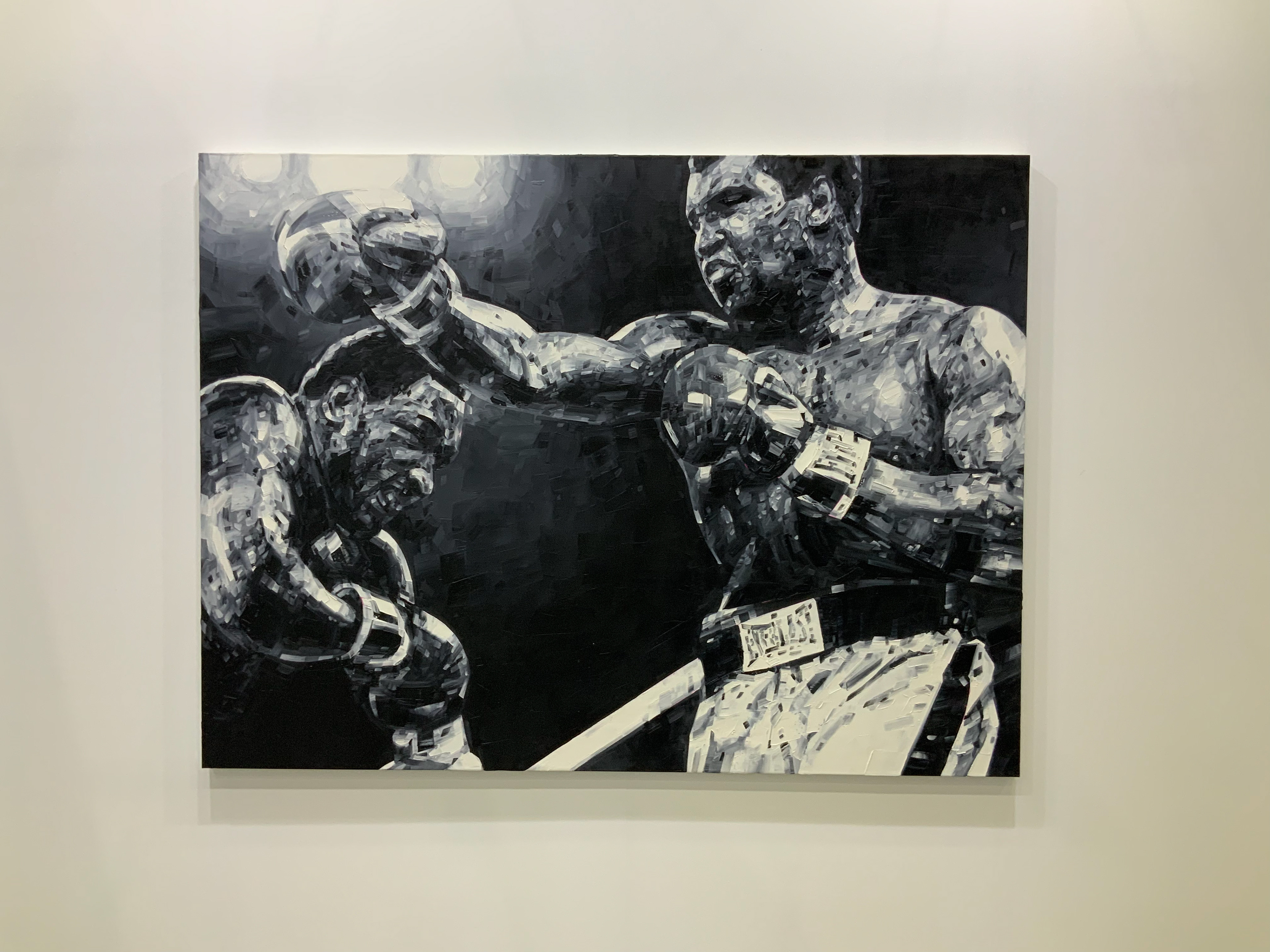
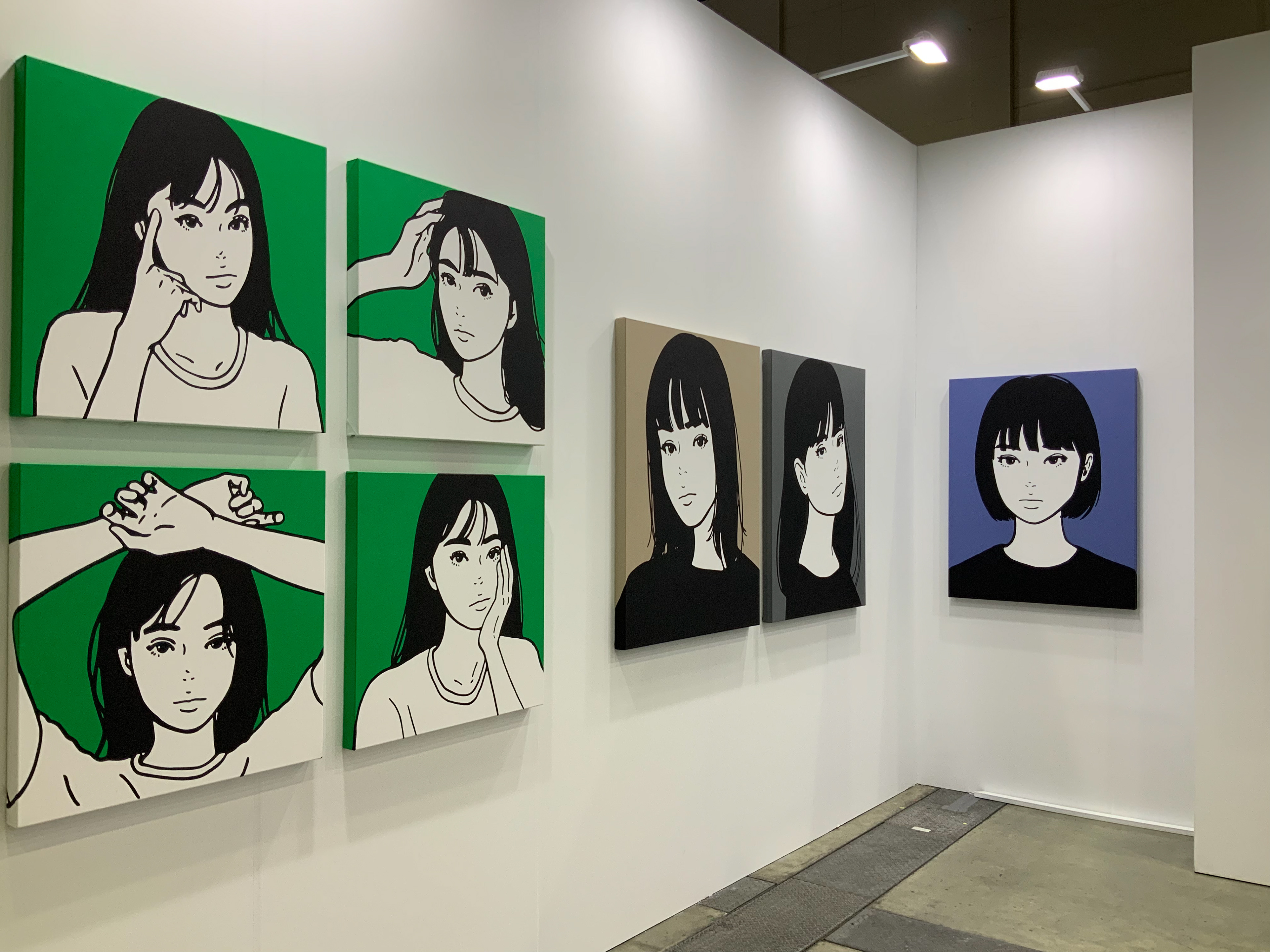
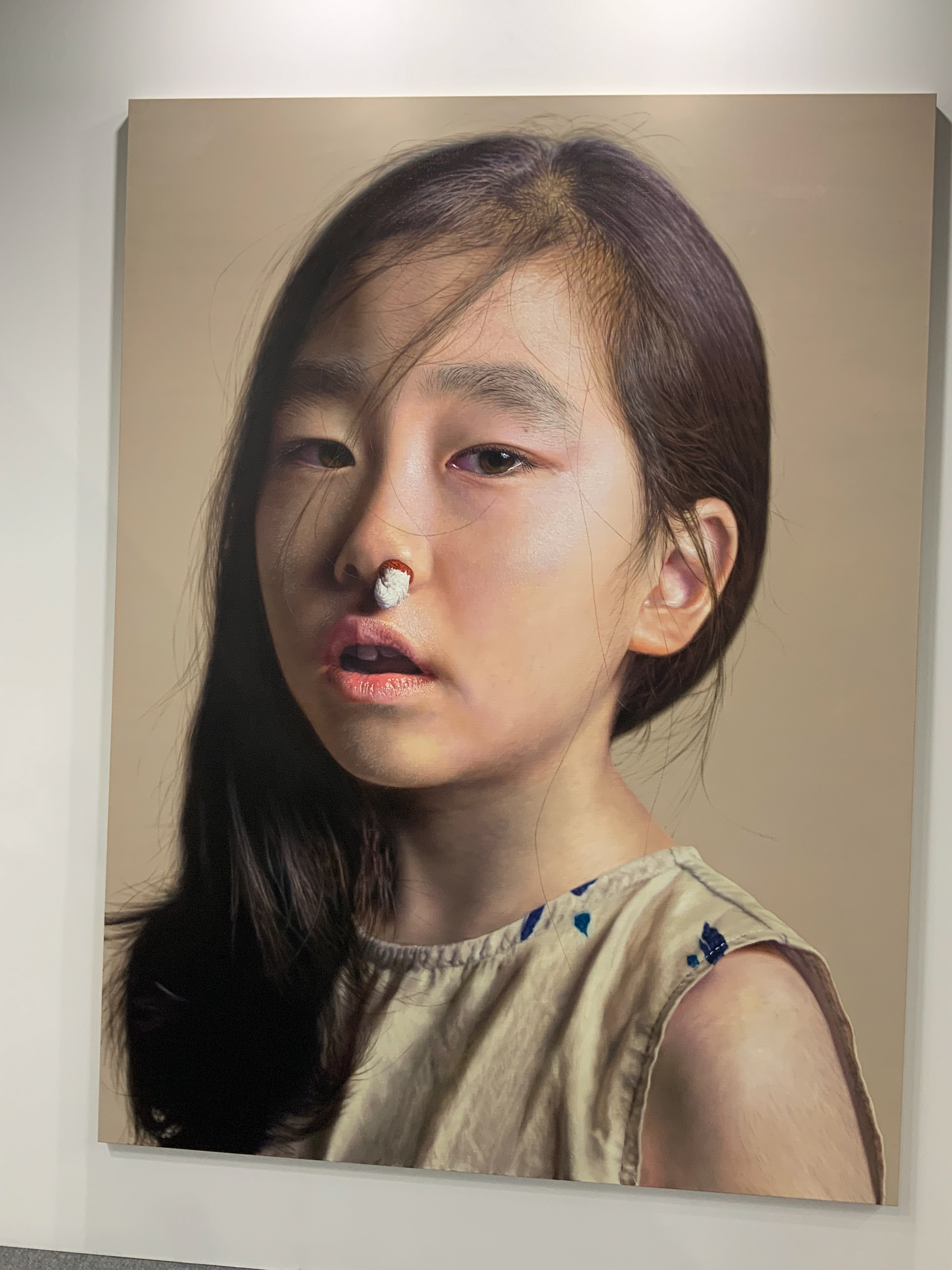
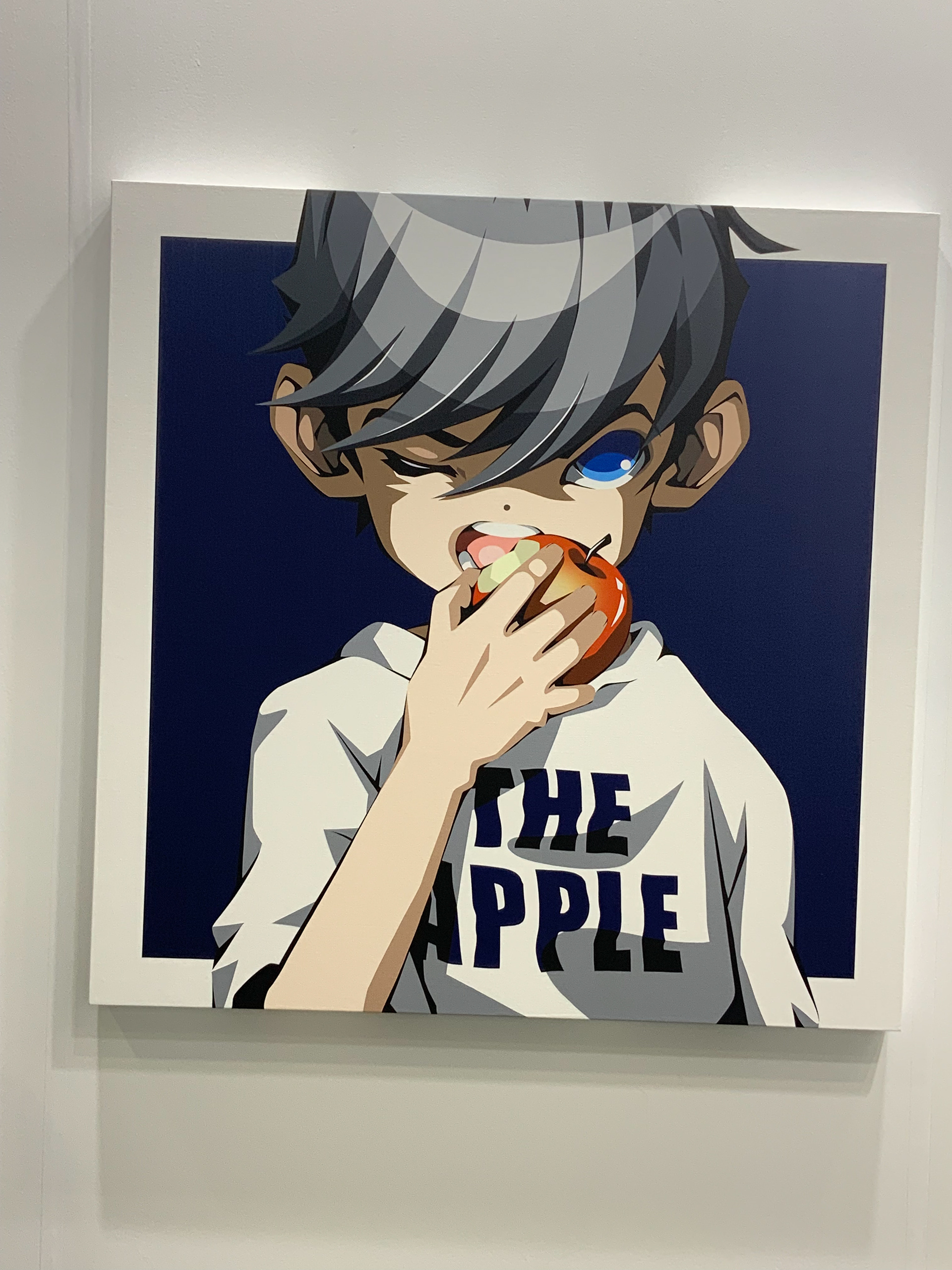
ONE ART TAIPEI (2021)
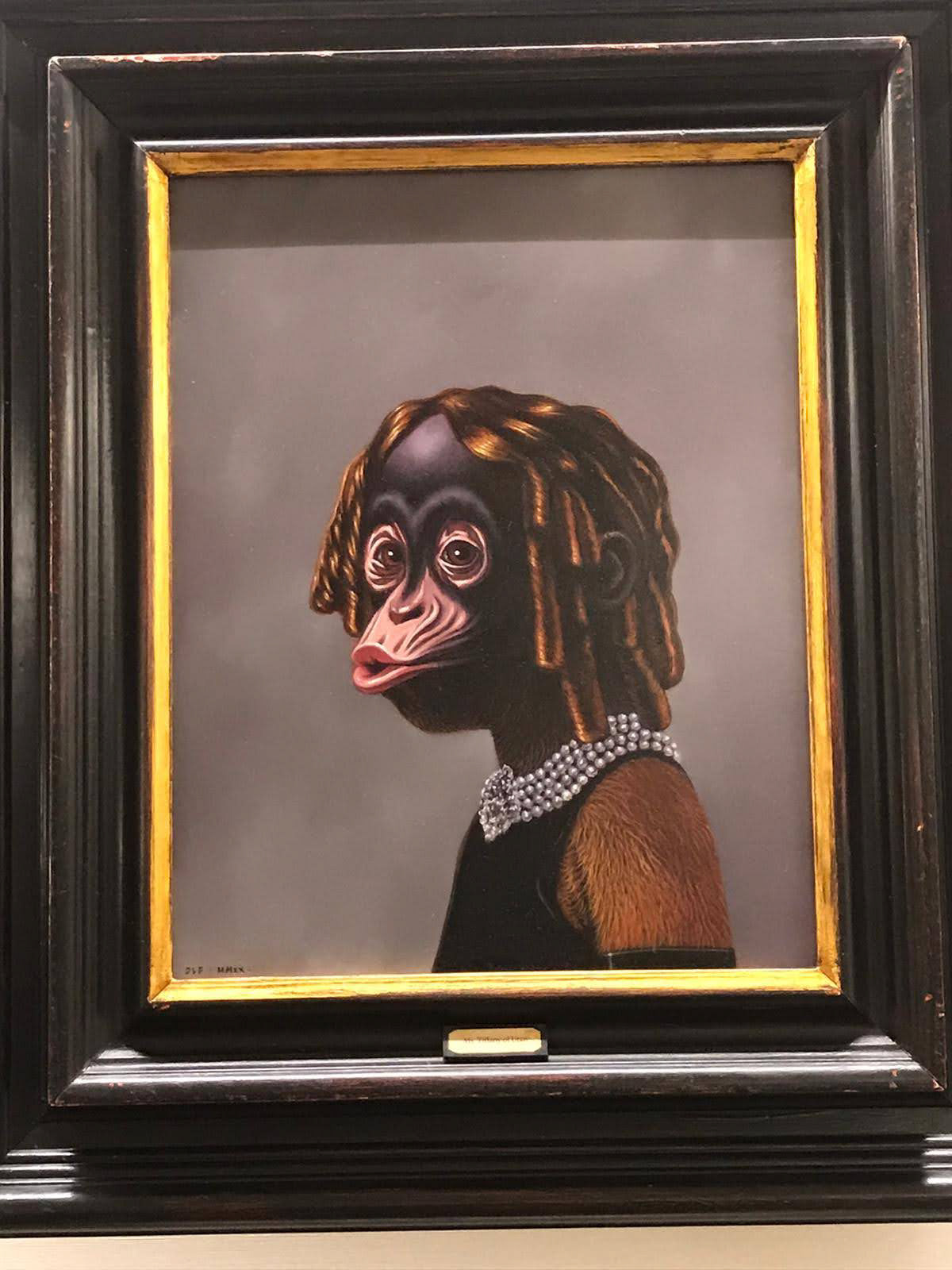
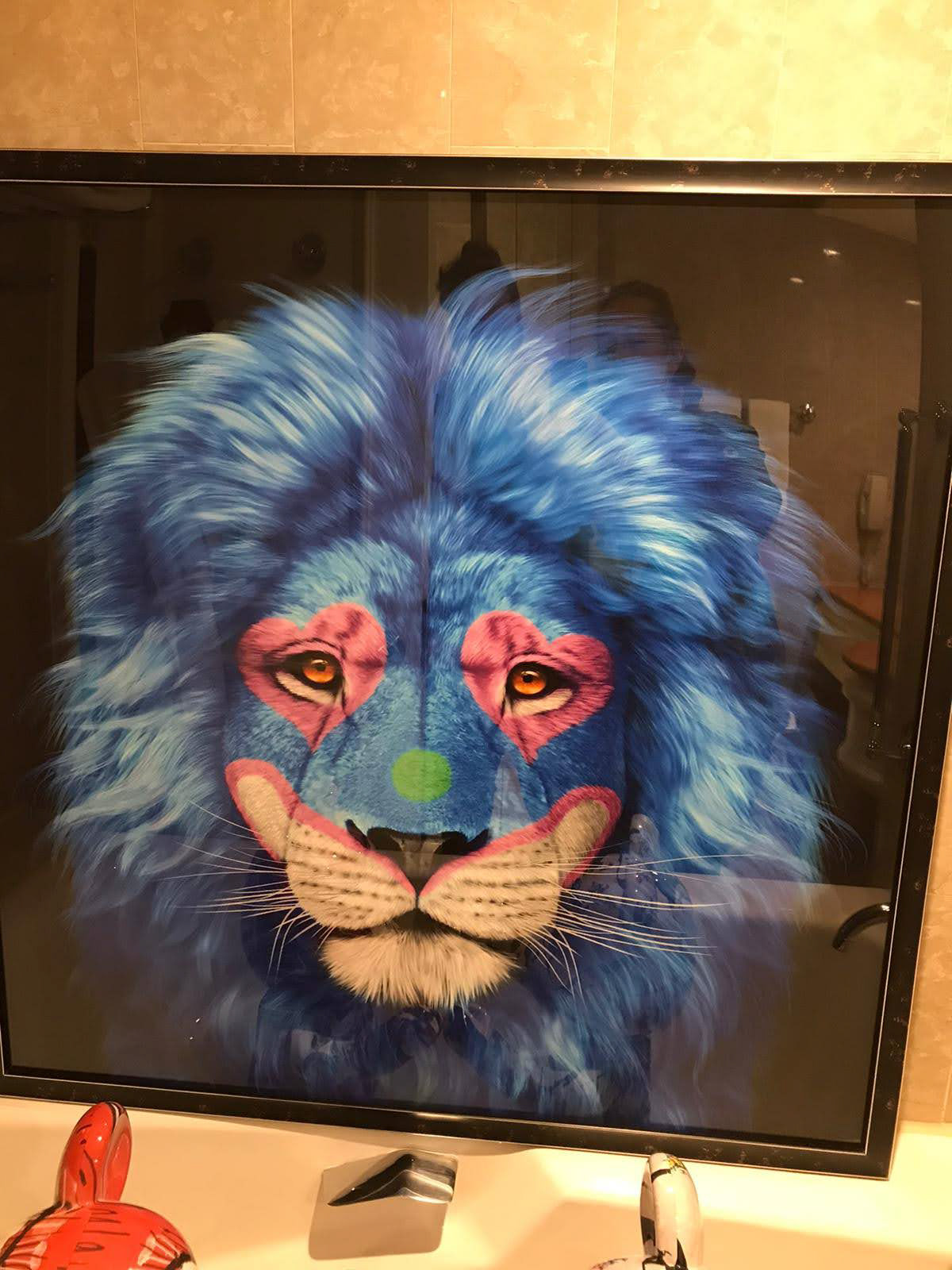
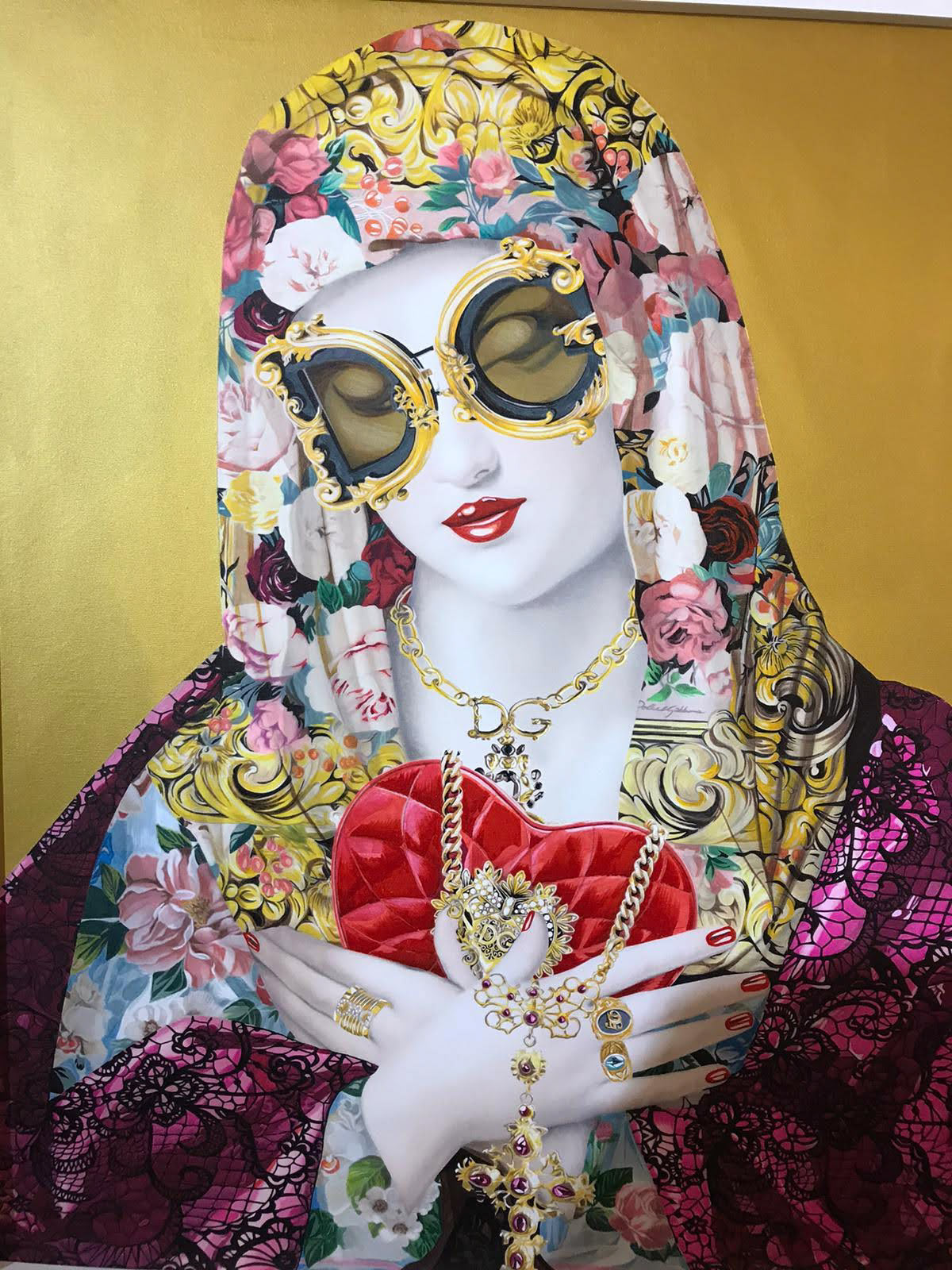

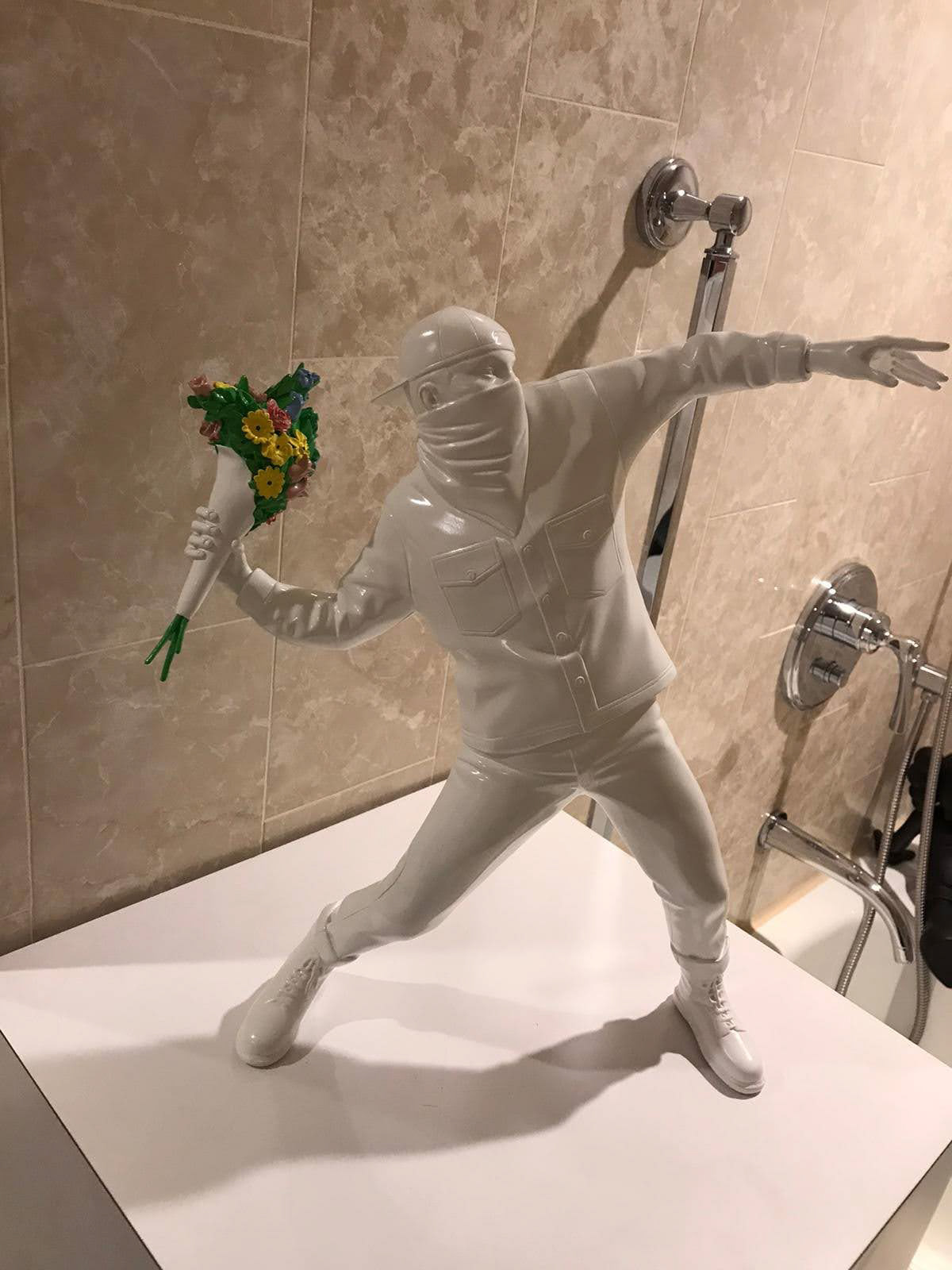
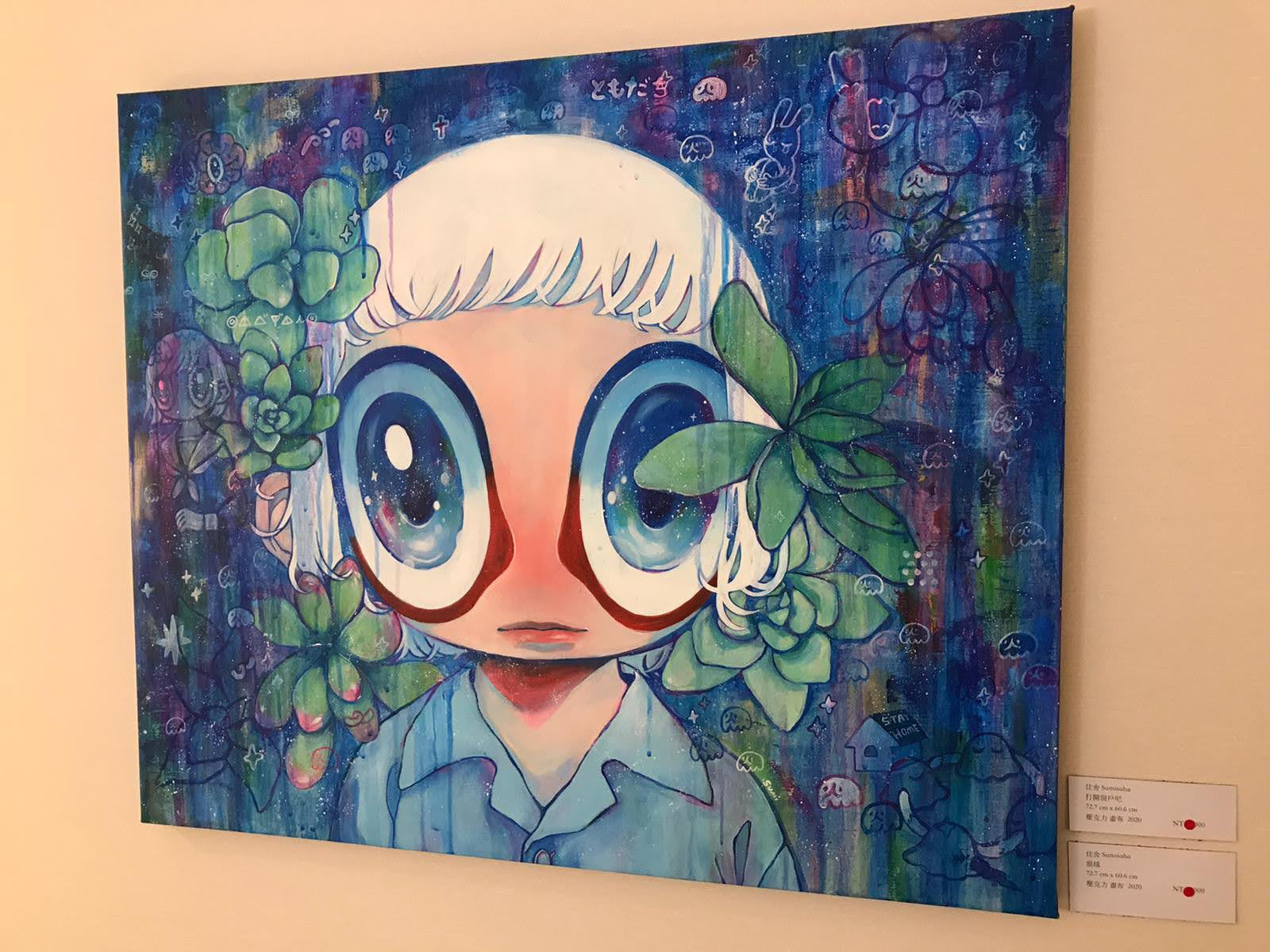
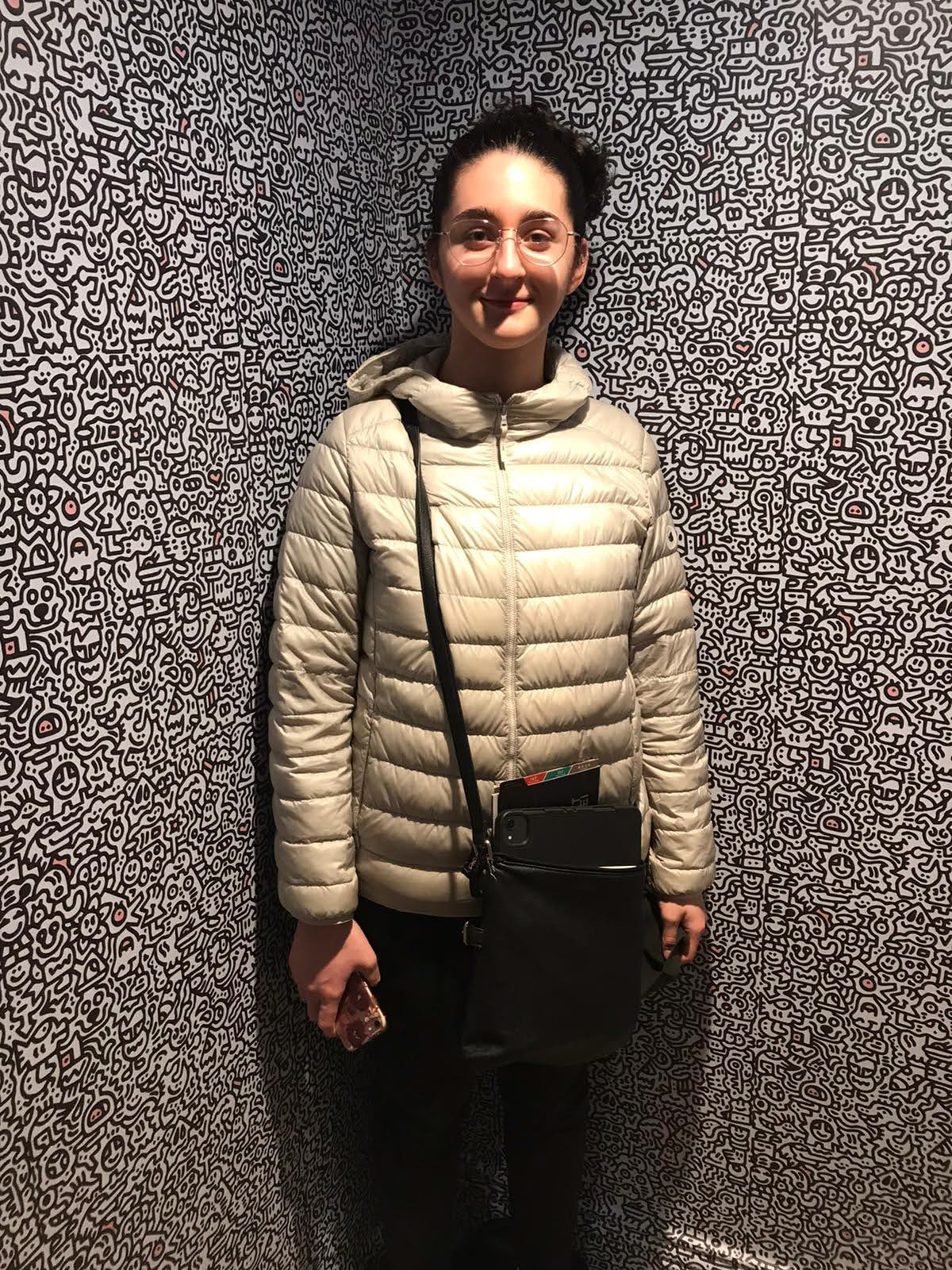
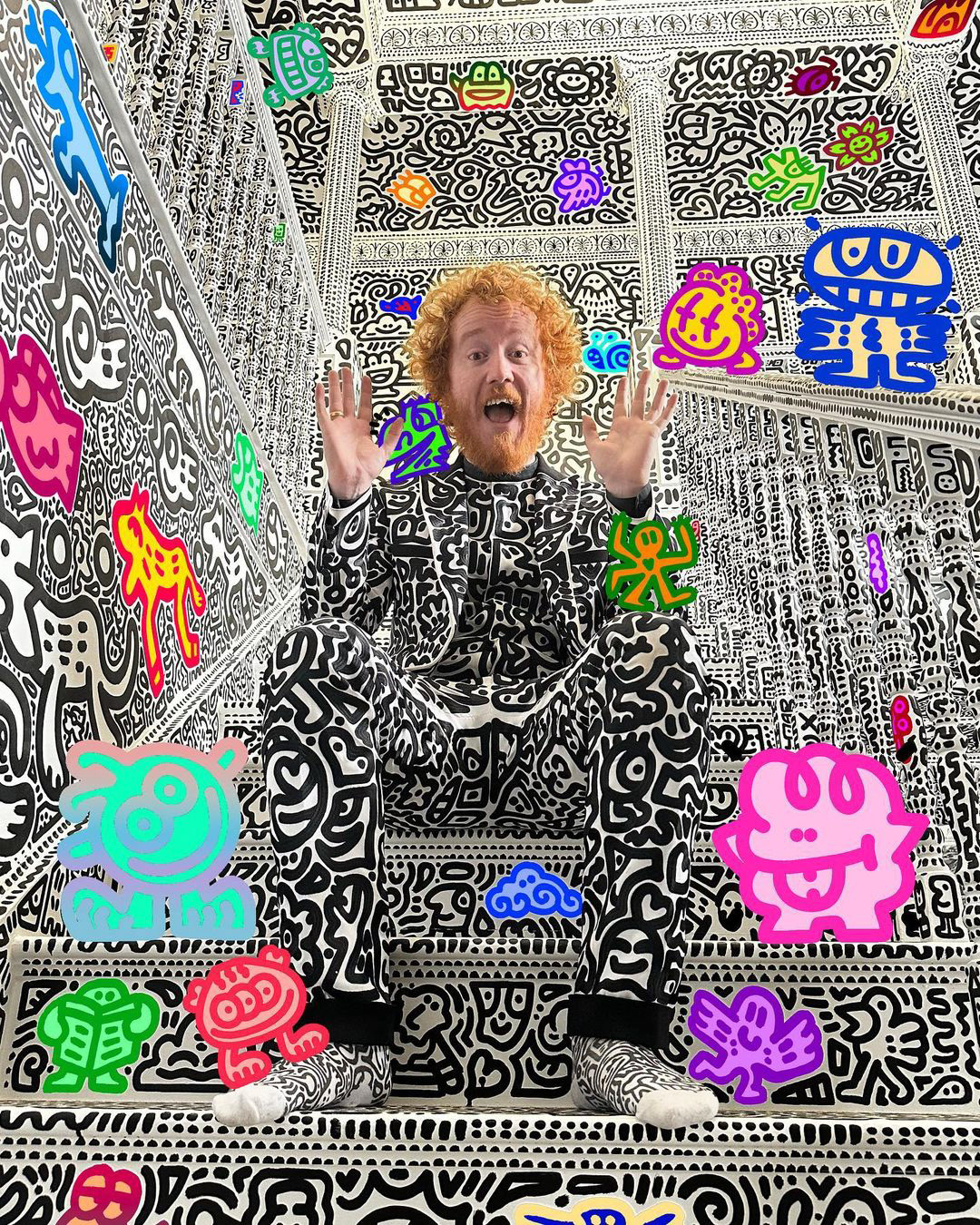
An Intimate Encounter with Mr. Doodle's Art at ONE ART TAIPEI 2021
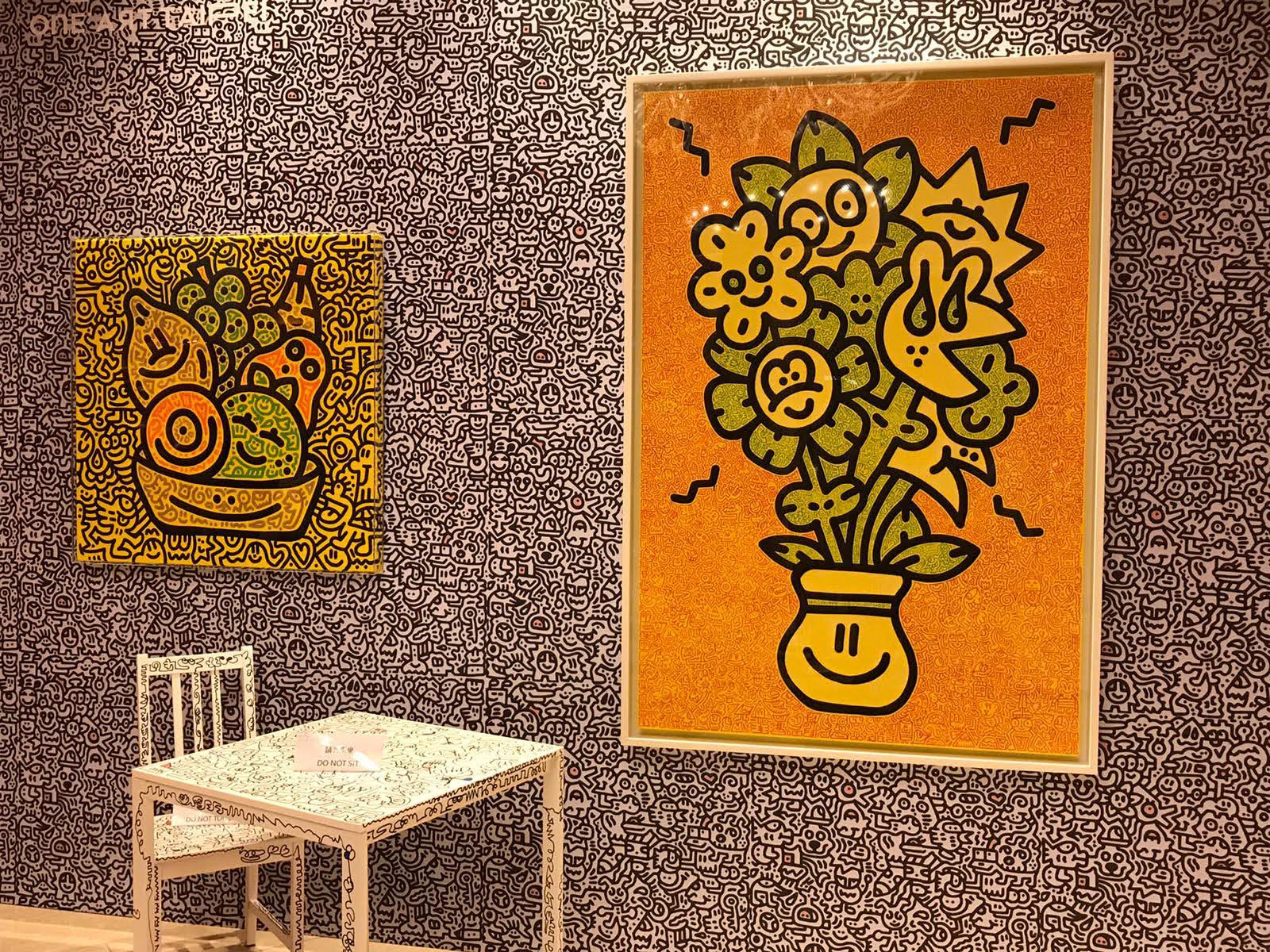
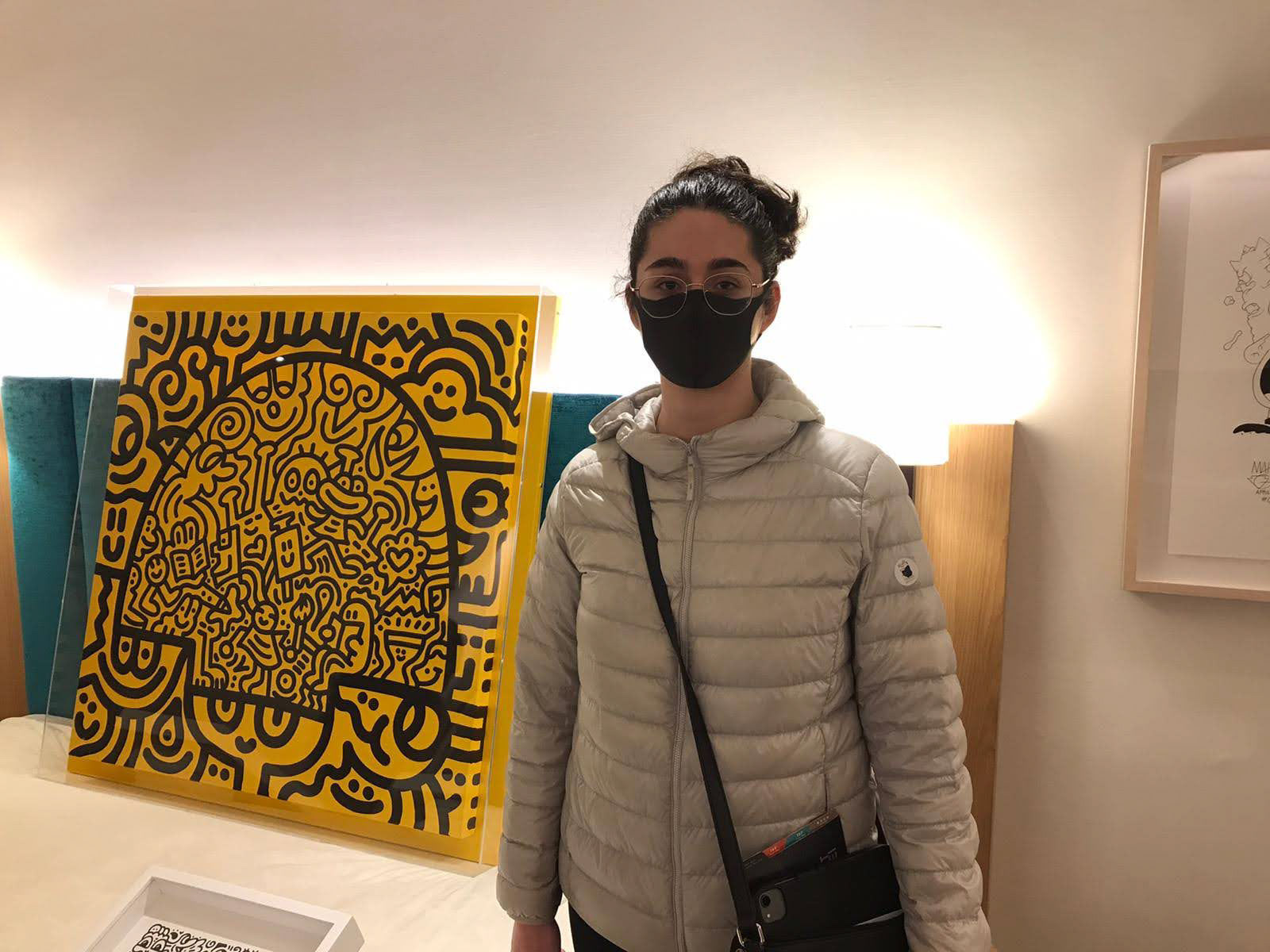
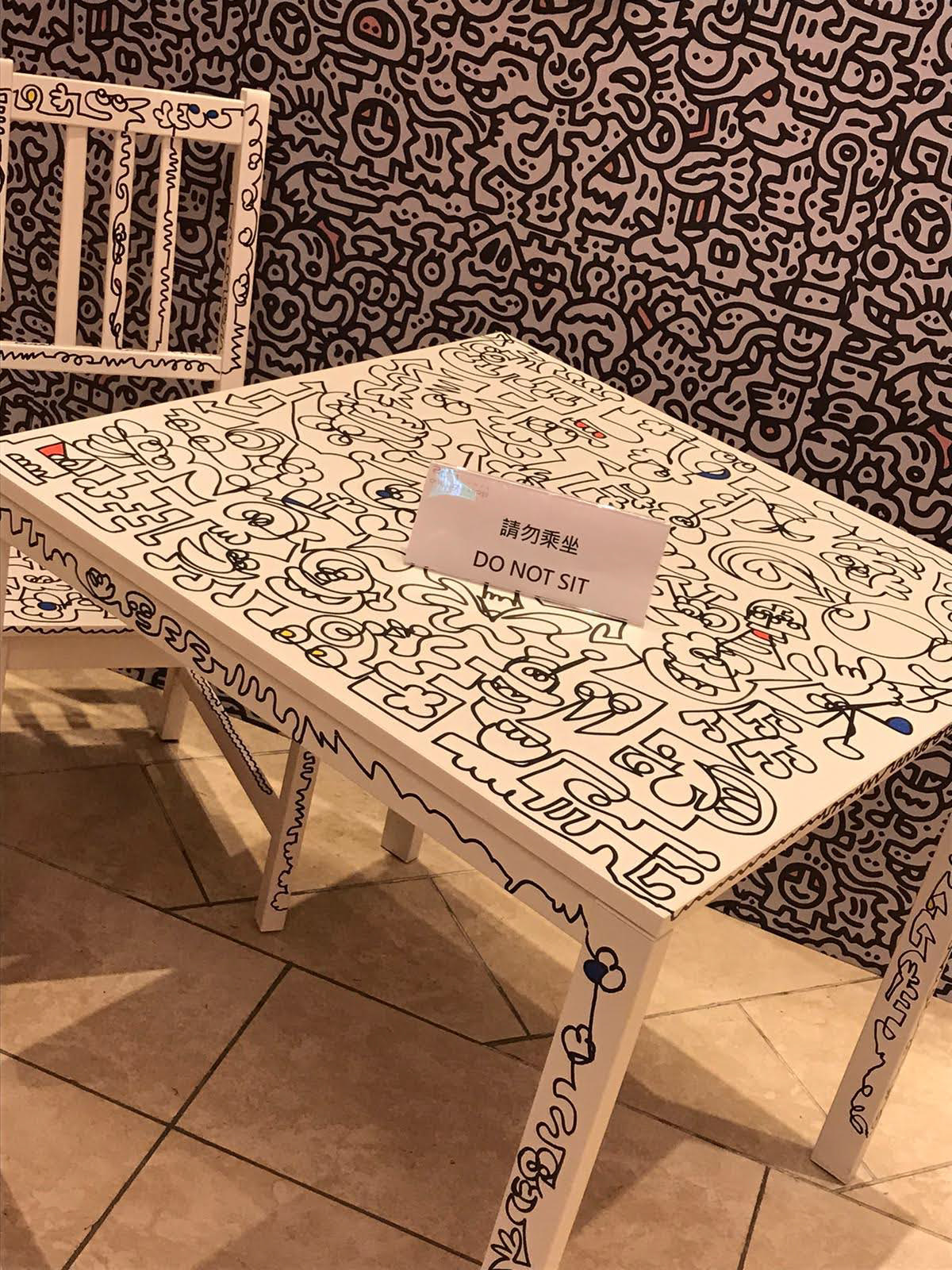
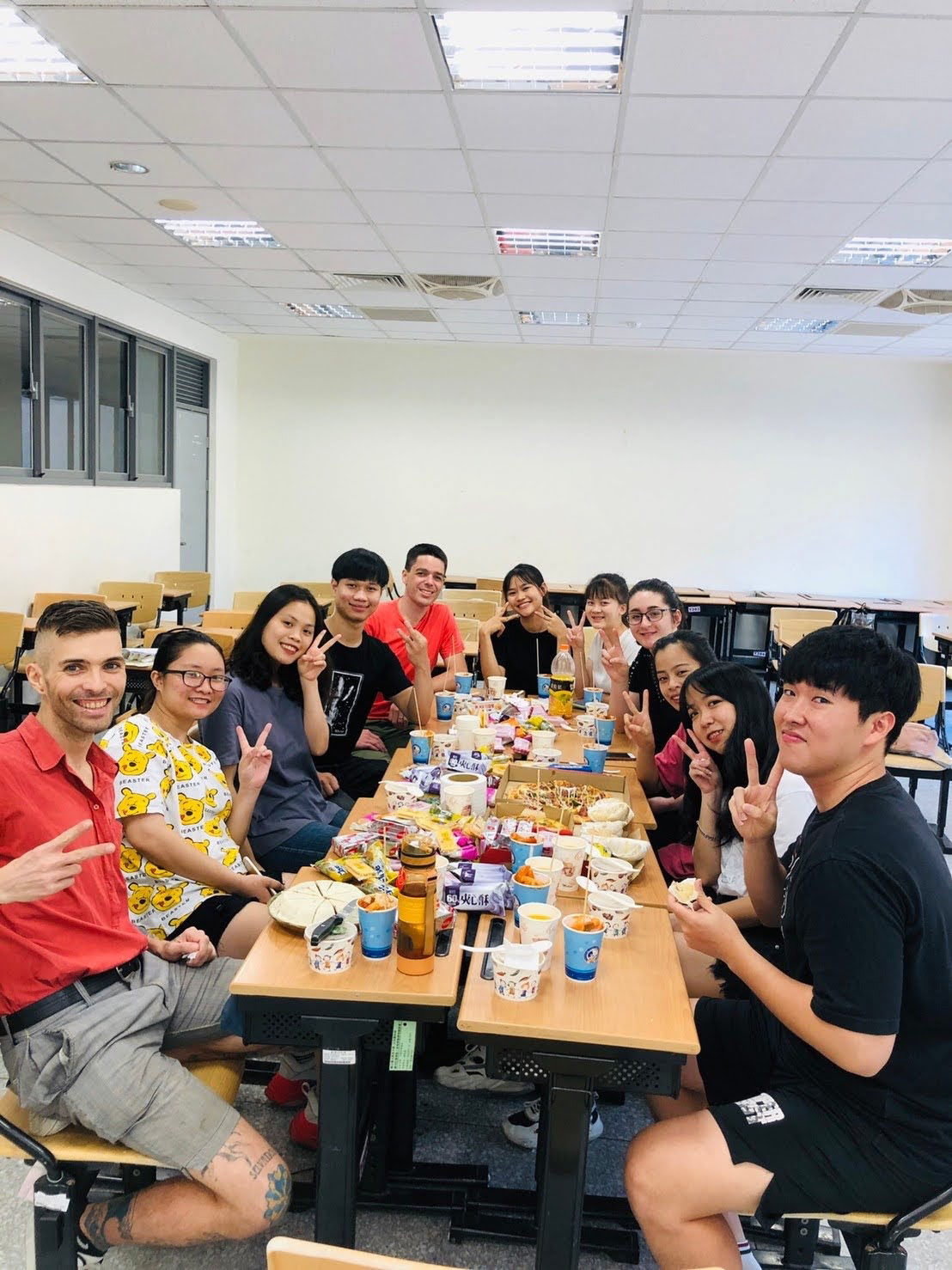
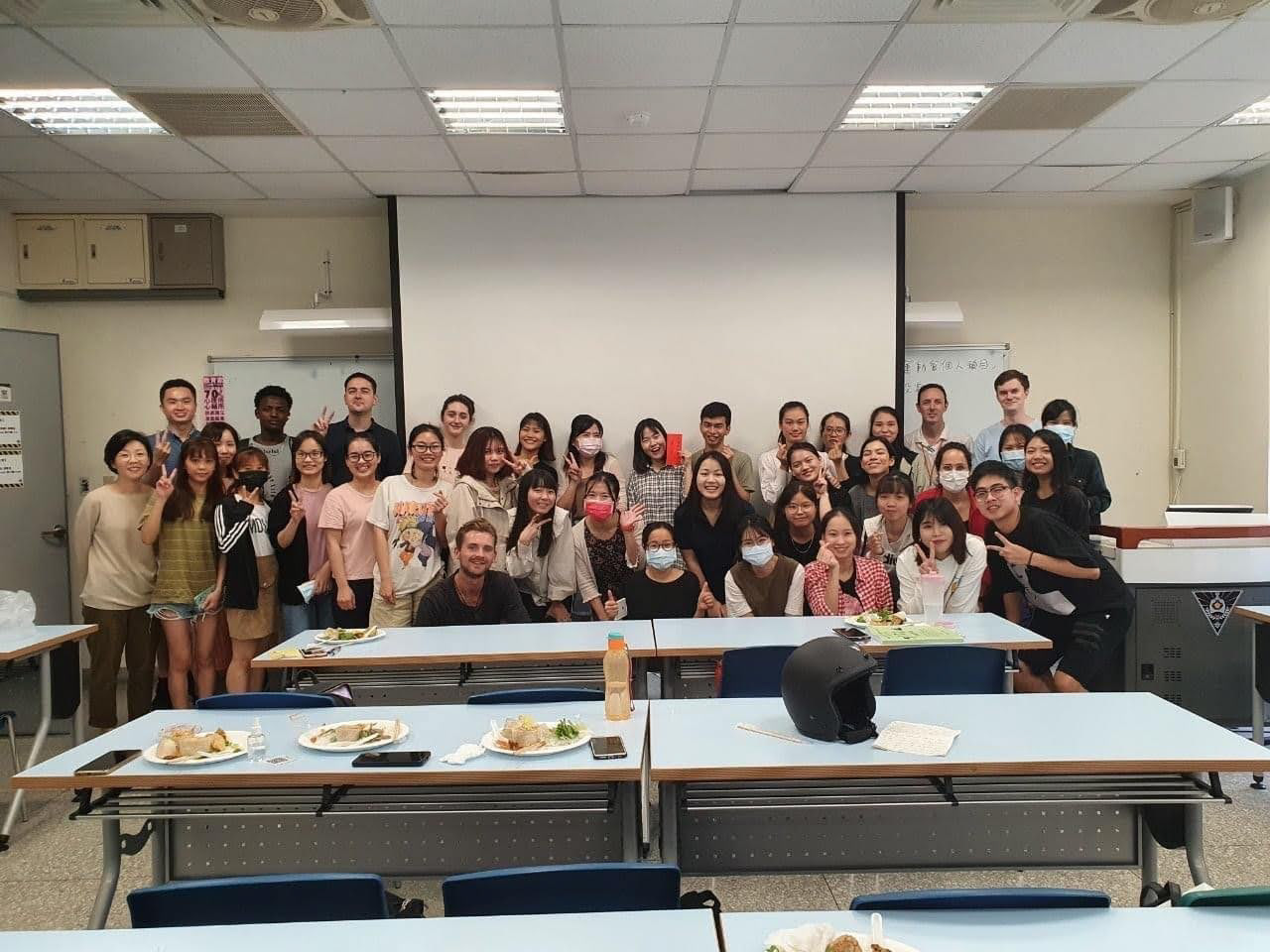
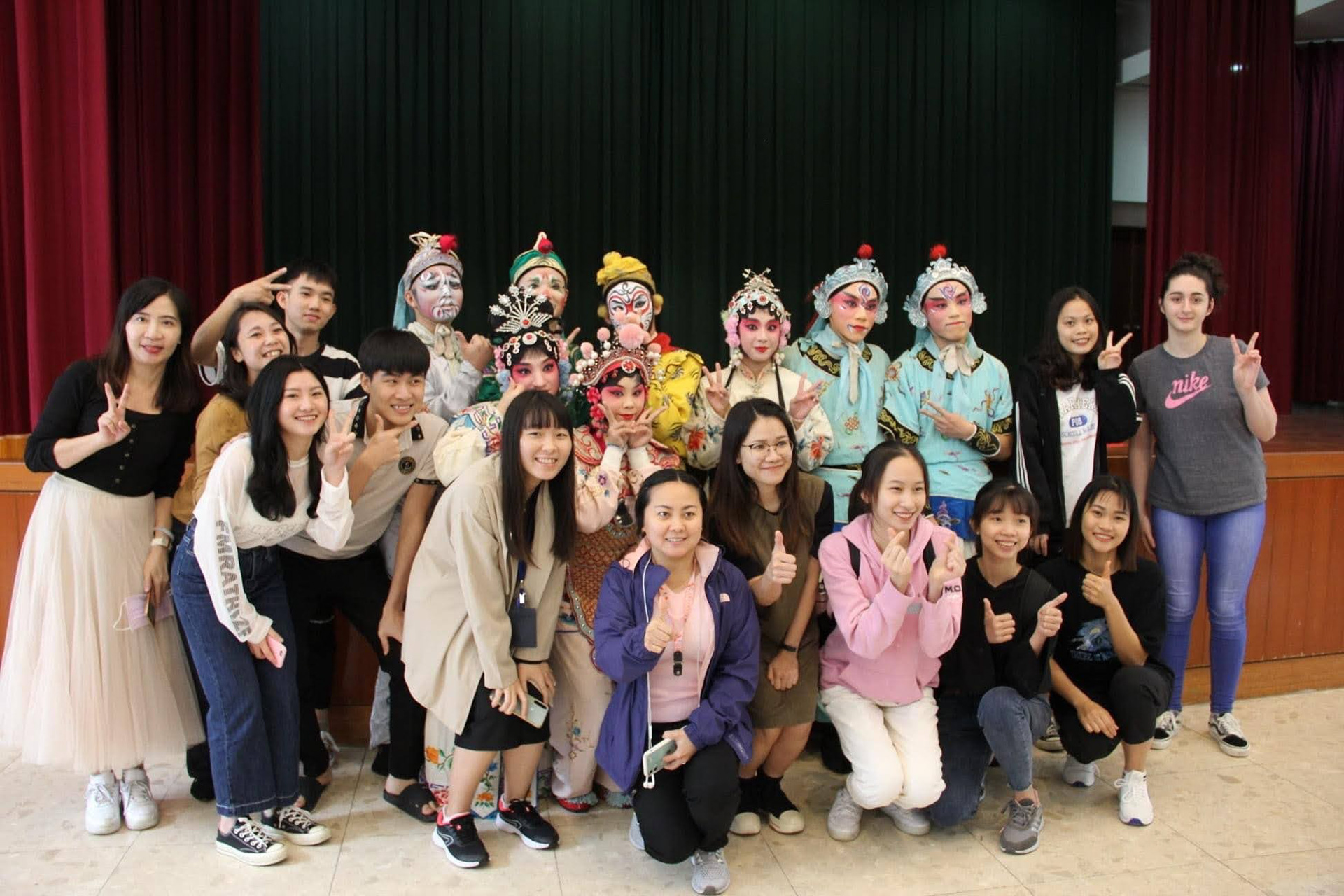
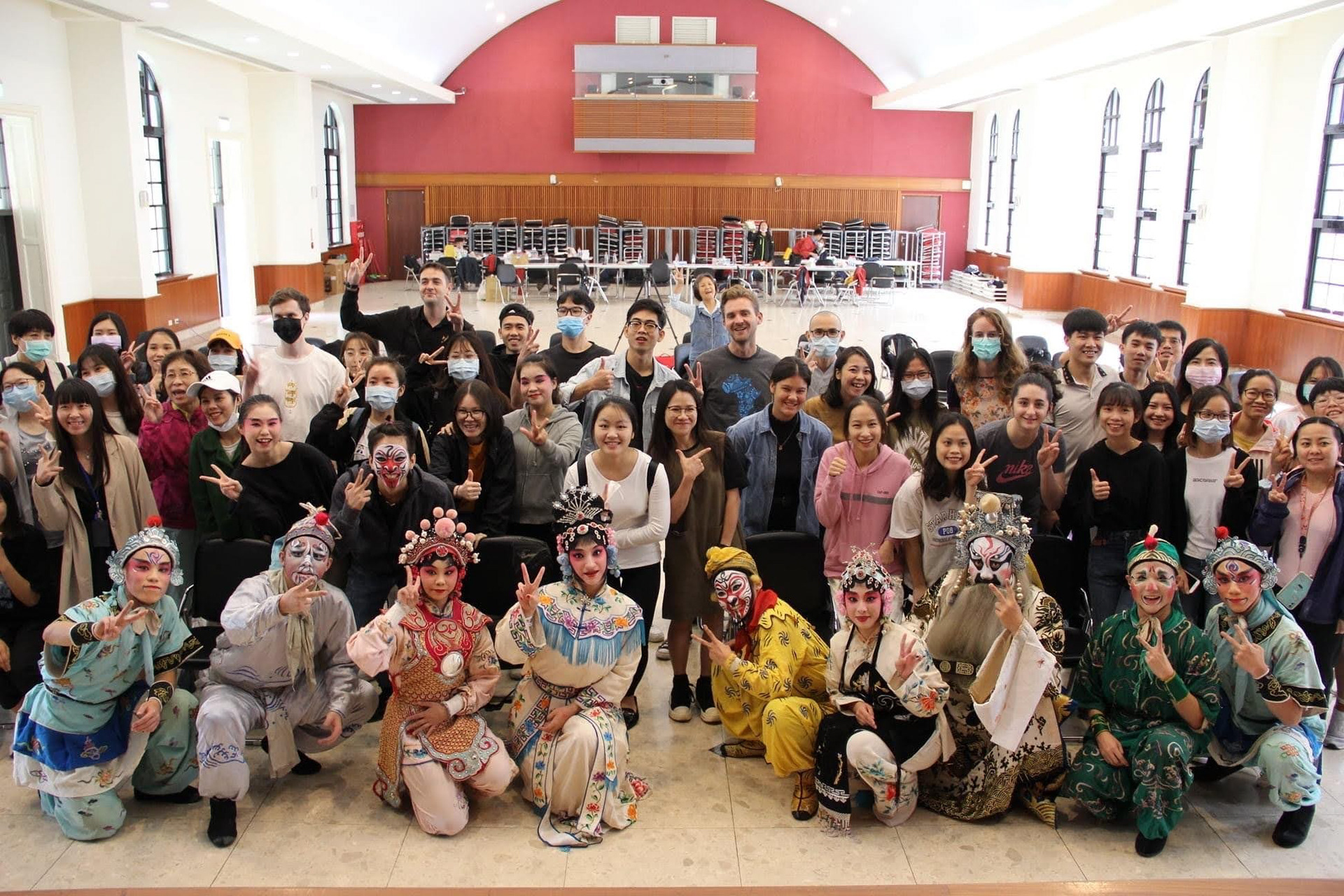
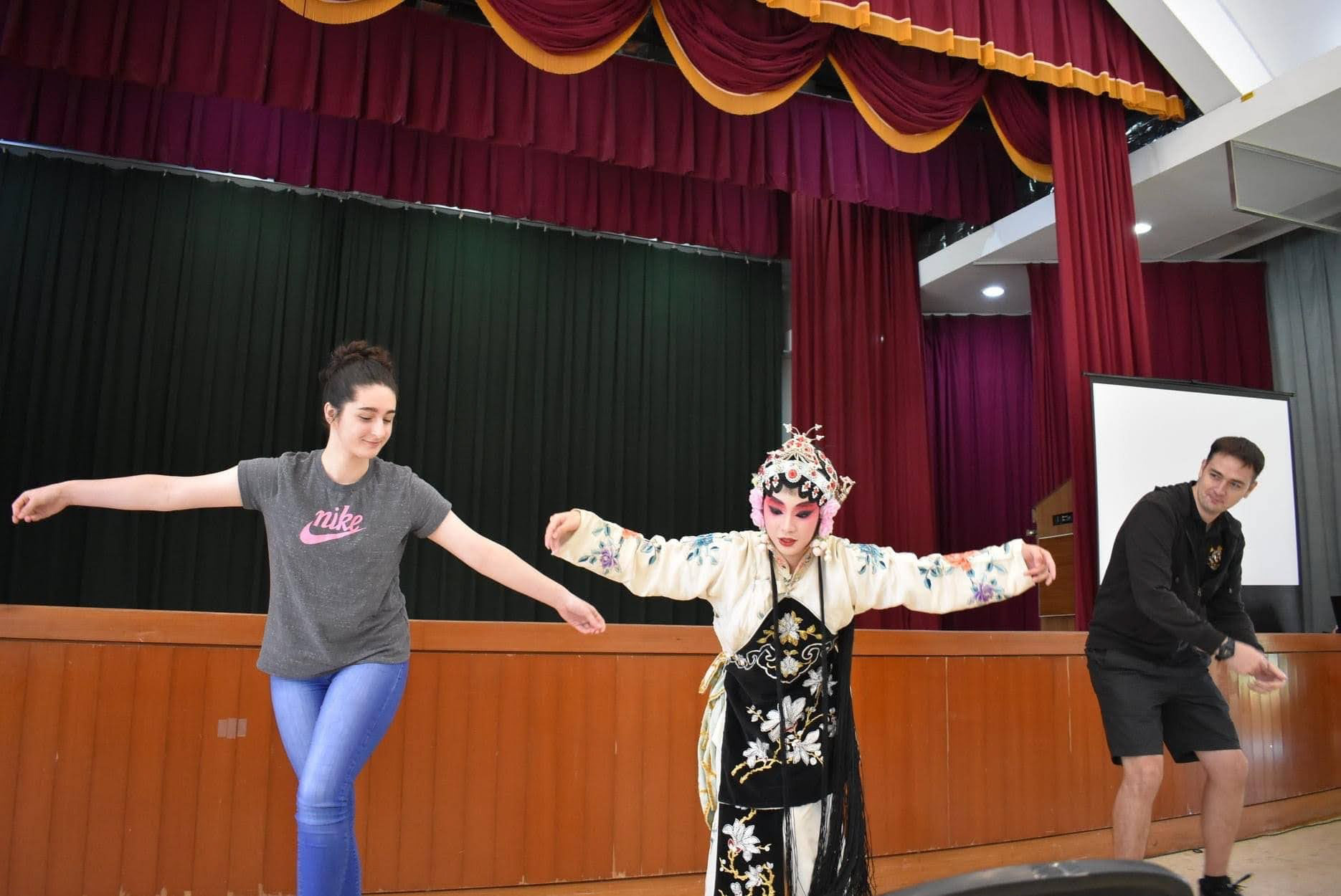
PHOTOS FROM COURSES TAKEN (2021)
串聯文化:安尼莎·奧扎爾普在台北藝術與中文語言掌握之旅
沉浸在安尼莎·奧扎爾普的啟發性故事中,目睹她獨特的學習旅程,同時在台北這個充滿活力的城市裡精進她的中文能力和藝術技巧。感謝華僑事務委員會和台灣華語學習中心,我們能深入了解她的文化和教育體驗。安尼莎早年在美國接受潘守文的簡體中文訓練,為她在台灣的著名學府——國立臺北教育大學和實踐大學華語中心的繁體中文學習鋪平了道路。
她對藝術的熱情在台北的樂榮畫室得到了著名藝術家宋秉慧的指導下得以實現。在他的專業指導下,安尼莎在水墨畫、書法、油畫和靜物繪畫方面不斷精進。她對持續學習的承諾使她在實踐大學持續學習中心進修Adobe課程,並獲得了Adobe認證。該大學被譽為全球藝術與設計領域的頂尖學府,也幫助她完成了一門全面的時尚設計課程。
通過對比台灣和中國的華語教學方法,安尼莎的訪談揭示了台灣提供的豐富教育經驗。她的旅程證明,台灣不僅是學習中文的理想目的地,而且還是藝術追求和文化交流蓬勃發展的中心。加入安尼莎·奧扎爾普的旅程,觀賞她的傑作,體驗她在華僑事務委員會宣傳影片或她的YouTube頻道中闡述的個人體悟。
透過安尼莎·奧扎爾普在她的YouTube頻道上豐富啟發的影片,探索她的藝術創作過程和旅程。藉著委託她,你有機會將她獨特的創意視野帶入你的藝術項目中。
My Favorite Book: Tao Te Ching
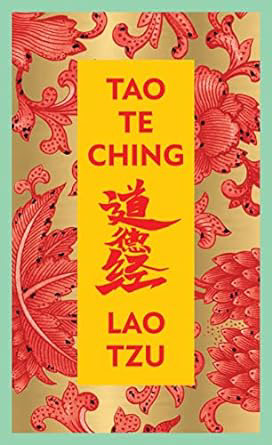
The Tao Te Ching by Lao Tzu is my favorite book because it teaches peace, balance, simplicity, patience, and the beauty of flowing with life. As an artist, I connect deeply with its quiet wisdom: strength can be soft, emptiness can be powerful, and creativity grows when we stop forcing and start listening.
This classic Taoist book is about living in harmony with the Tao, or “the Way.” It encourages humility, naturalness, inner peace, and balance. Its wisdom feels deeply connected to my own Chinese learning journey.
I was honored to receive personal Simplified Chinese training from Dr. Shouwen Pan in Secaucus with my brother, New Jersey, for one year. Dr. Pan, a scholar of Chinese classics and the author of Interpretation and Translation of Dao De Jing, helped me understand that Chinese language and philosophy both require patience, listening, and discipline. He focused deeply on helping me master Chinese tones and once told us, “For one year, I will teach you only the tones, because tones are extremely important in Chinese. But afterward, everything will become much easier for you.”
He was right. After that strong foundation, my two years of study in Taipei became much smoother. I felt comfortable learning Chinese and was able to progress through all of the modules quickly and successfully.
Because of Dr. Pan, Tao Te Ching is not only a book I admire; it is also connected to my personal path of learning Chinese, understanding culture, and appreciating the quiet strength of ancient wisdom. My work as a multidisciplinary artist and designer often bridges classical craft and digital innovation, and this connection fits beautifully with the book’s themes of harmony, simplicity, and balance.
COMMISSION
Explore Anisa Ozalp's artistic process and journey through her enlightening videos on her YouTube channel. Seem the opportunity to bring her unique creative vision to your art project by commissioning her.