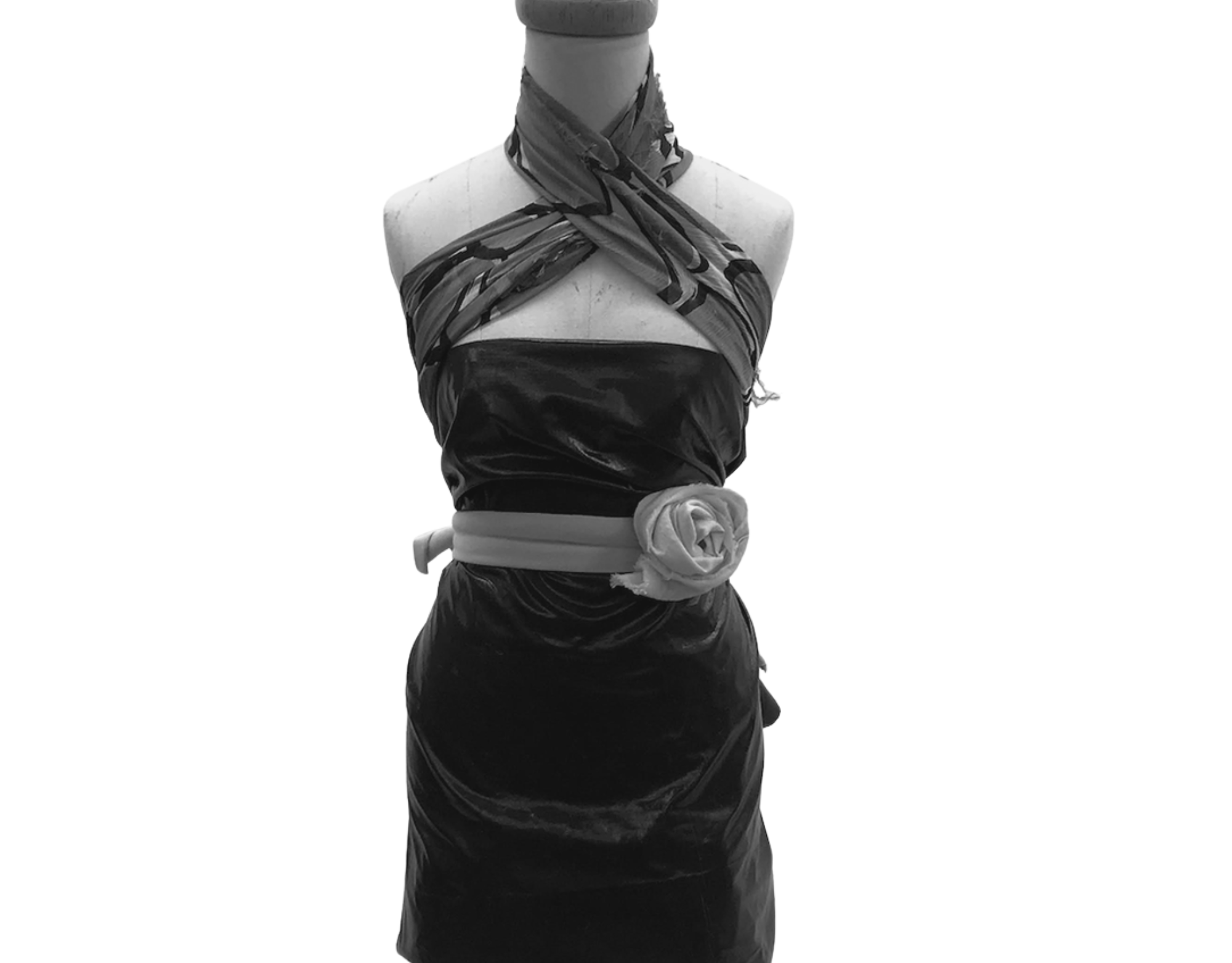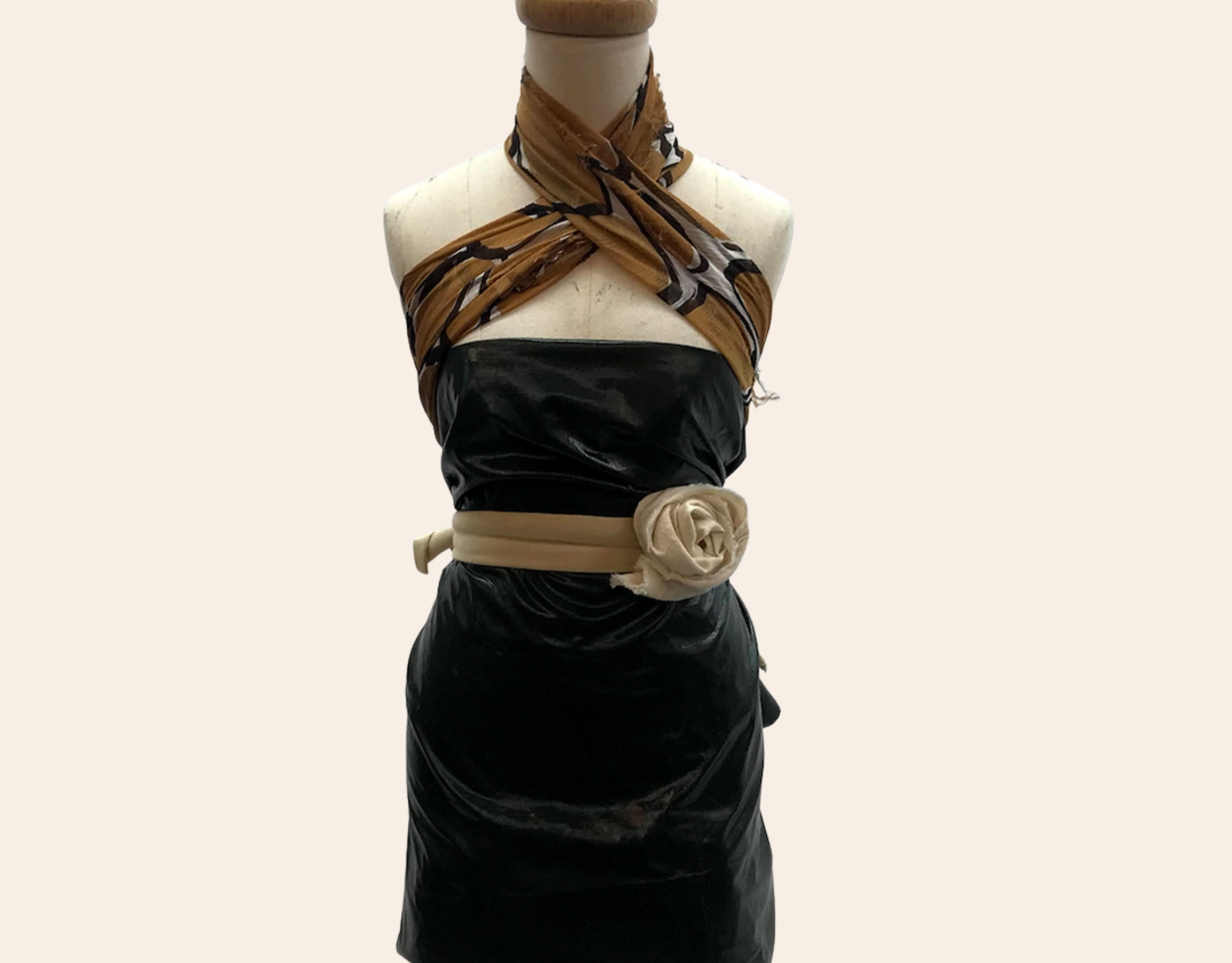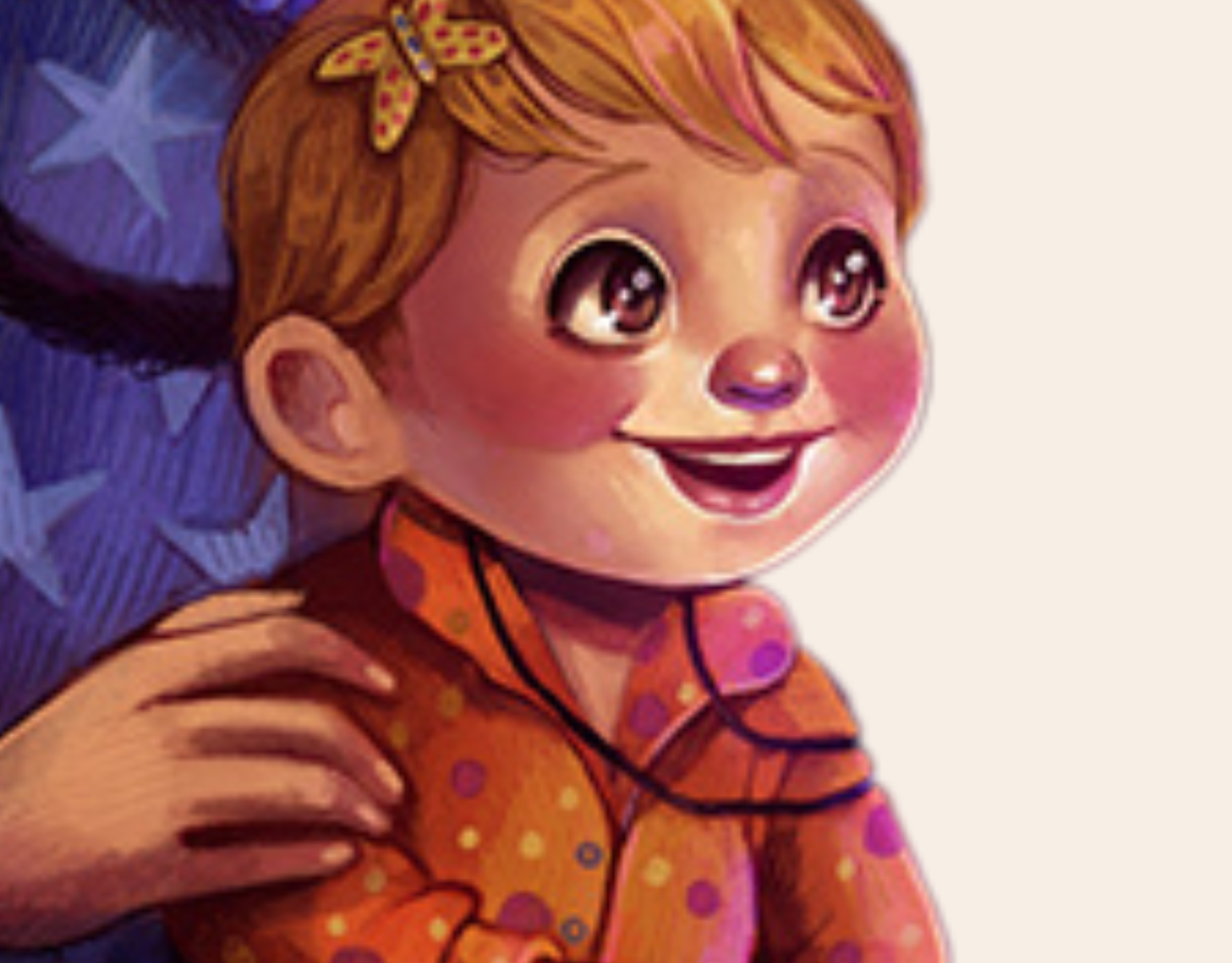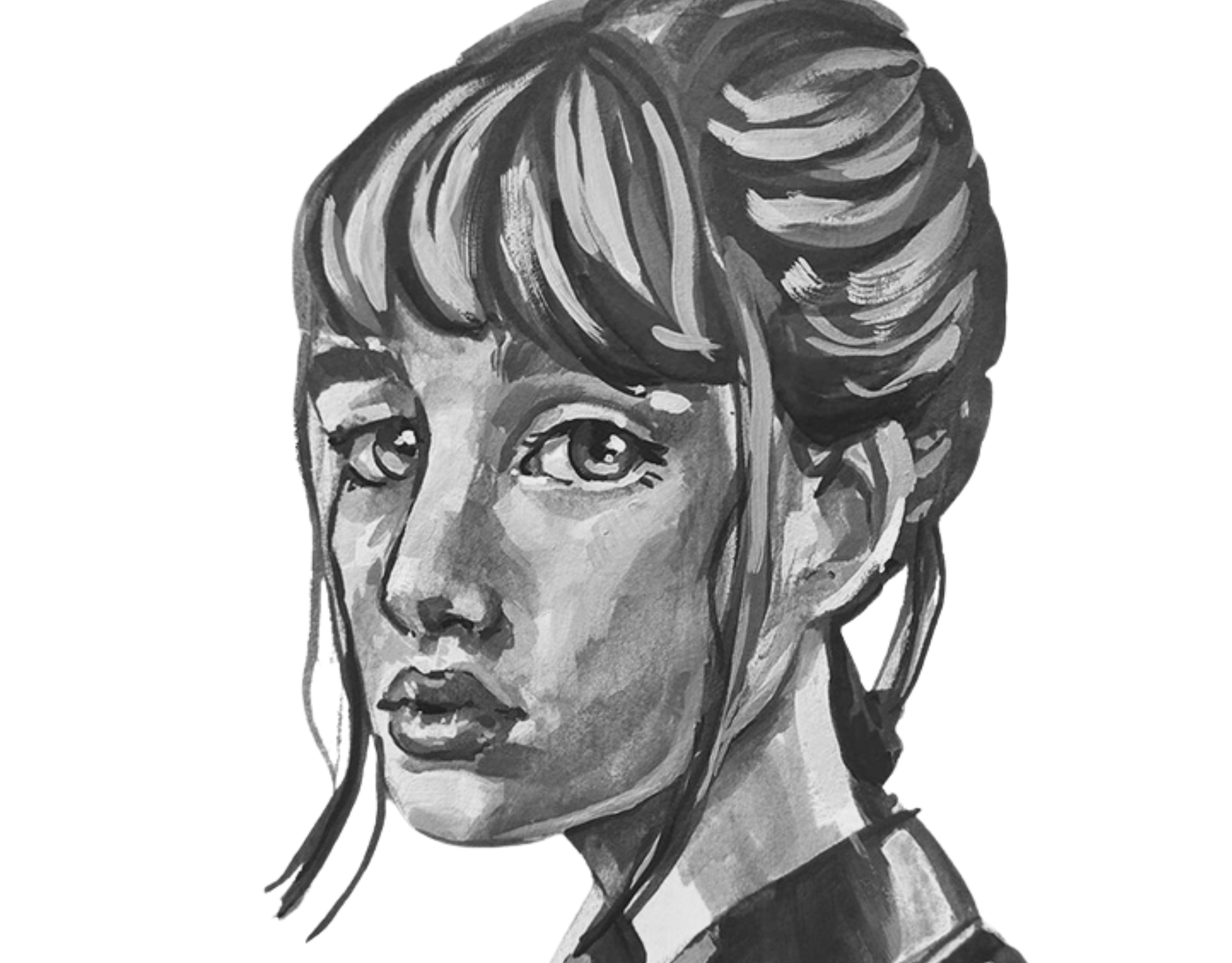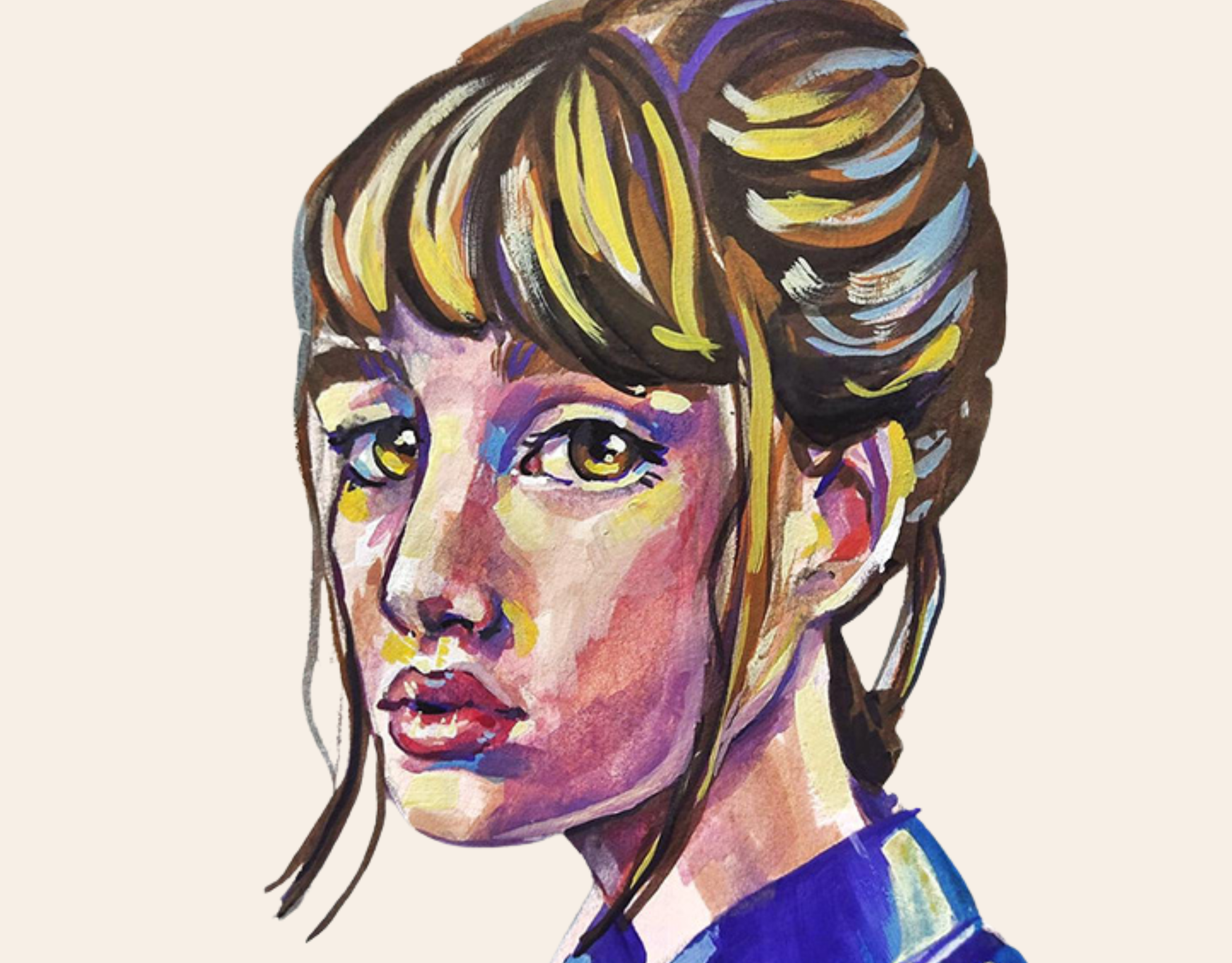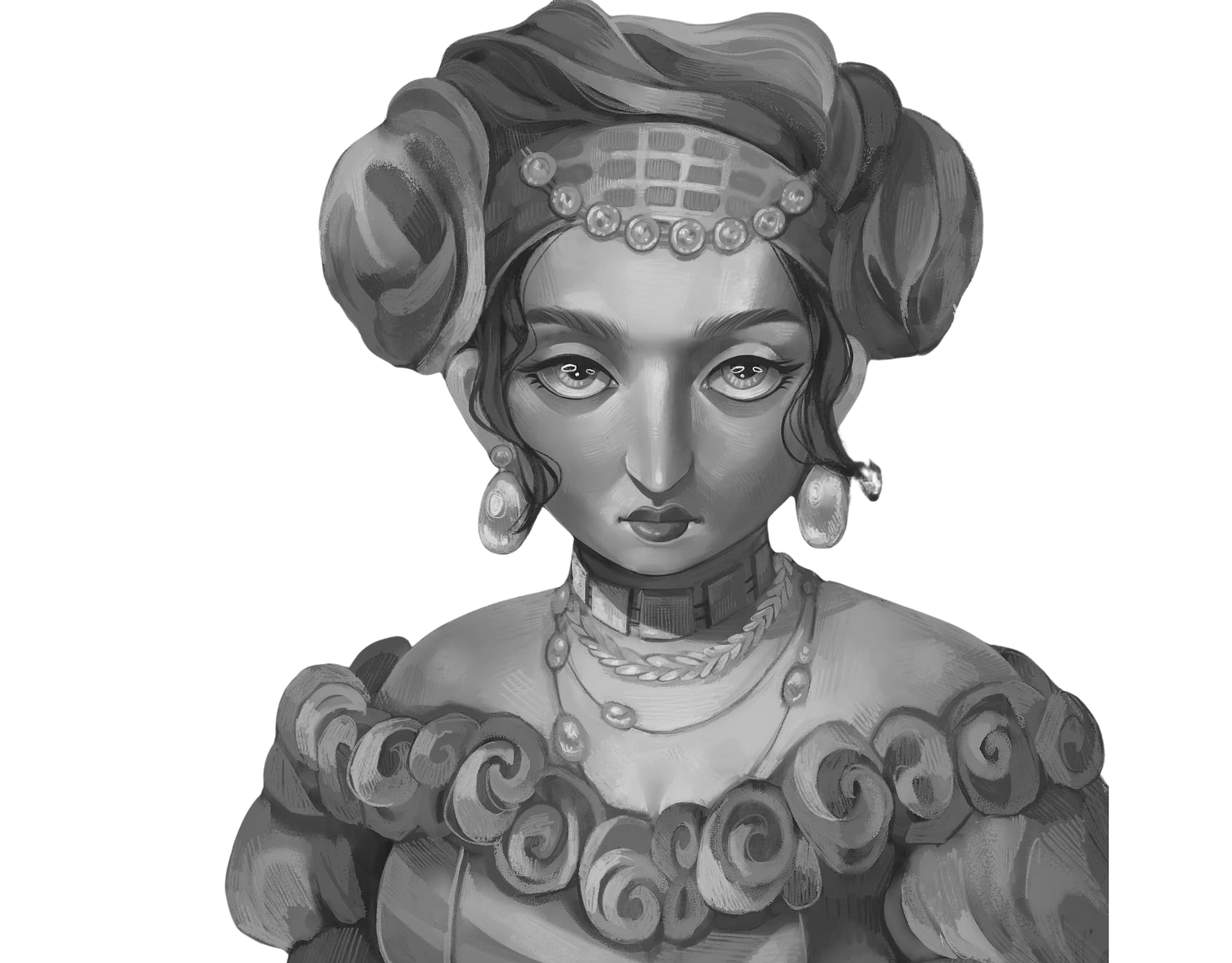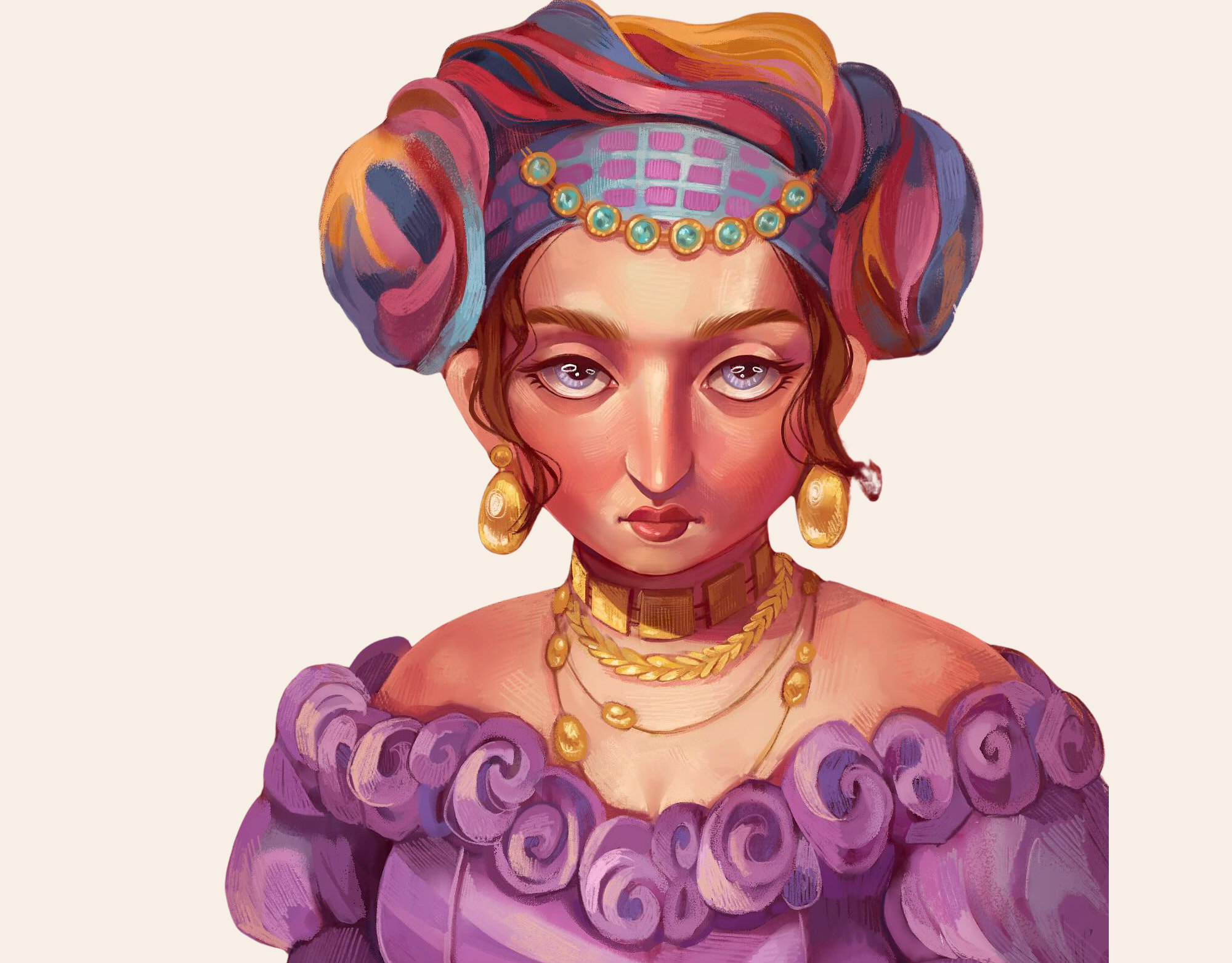
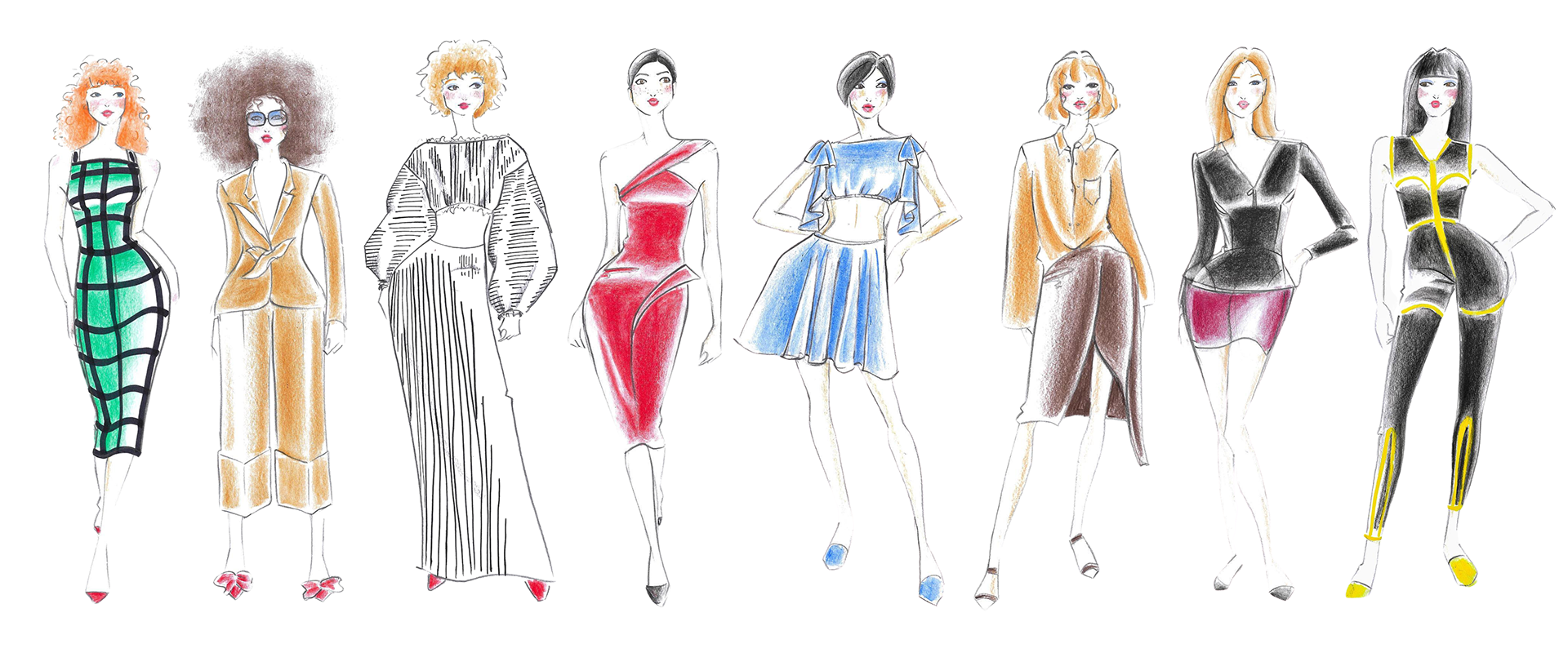
This fashion collection comprises my works, including drawings, sketches, and various experimental designs, originating from my participation in the Fashion Design Course at Taiwan's Shih Chien University in late 2020. Before this course, I enrolled in Chinese language courses at Shih Chien and the National Taipei University of Education for two years. The classes were conducted in Chinese, enhancing my language skills and design studies. The curriculum covered human anatomy and facial features, significantly emphasizing clothing and outfit design. Key areas of learning and exploration included pattern drafting, dressmaking, fashion illustration, understanding different dress materials, and an in-depth study of color usage in fashion design. Additionally, the course offered comprehensive lectures on fashion design, providing a holistic view of the field.
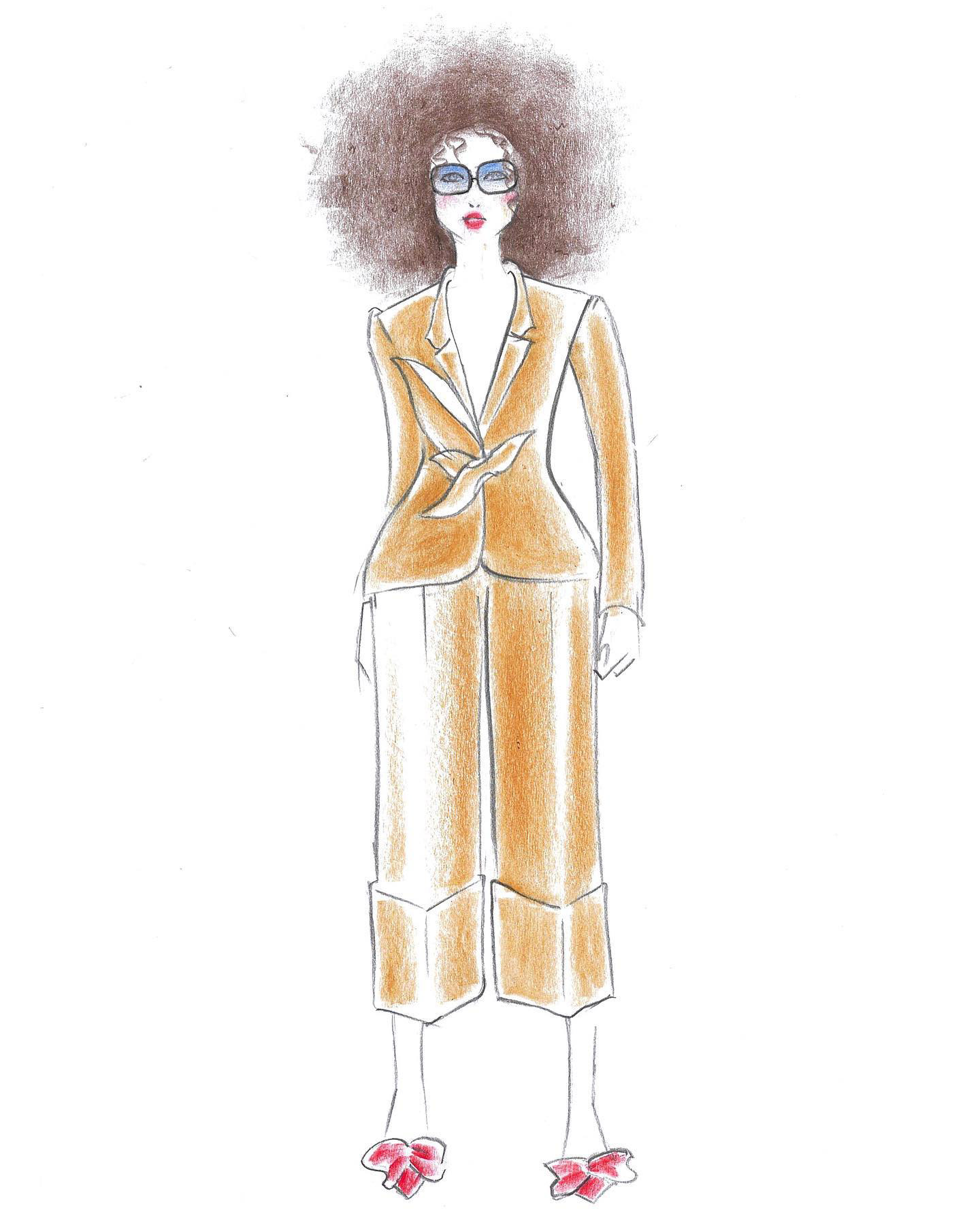
Fashion Drawing
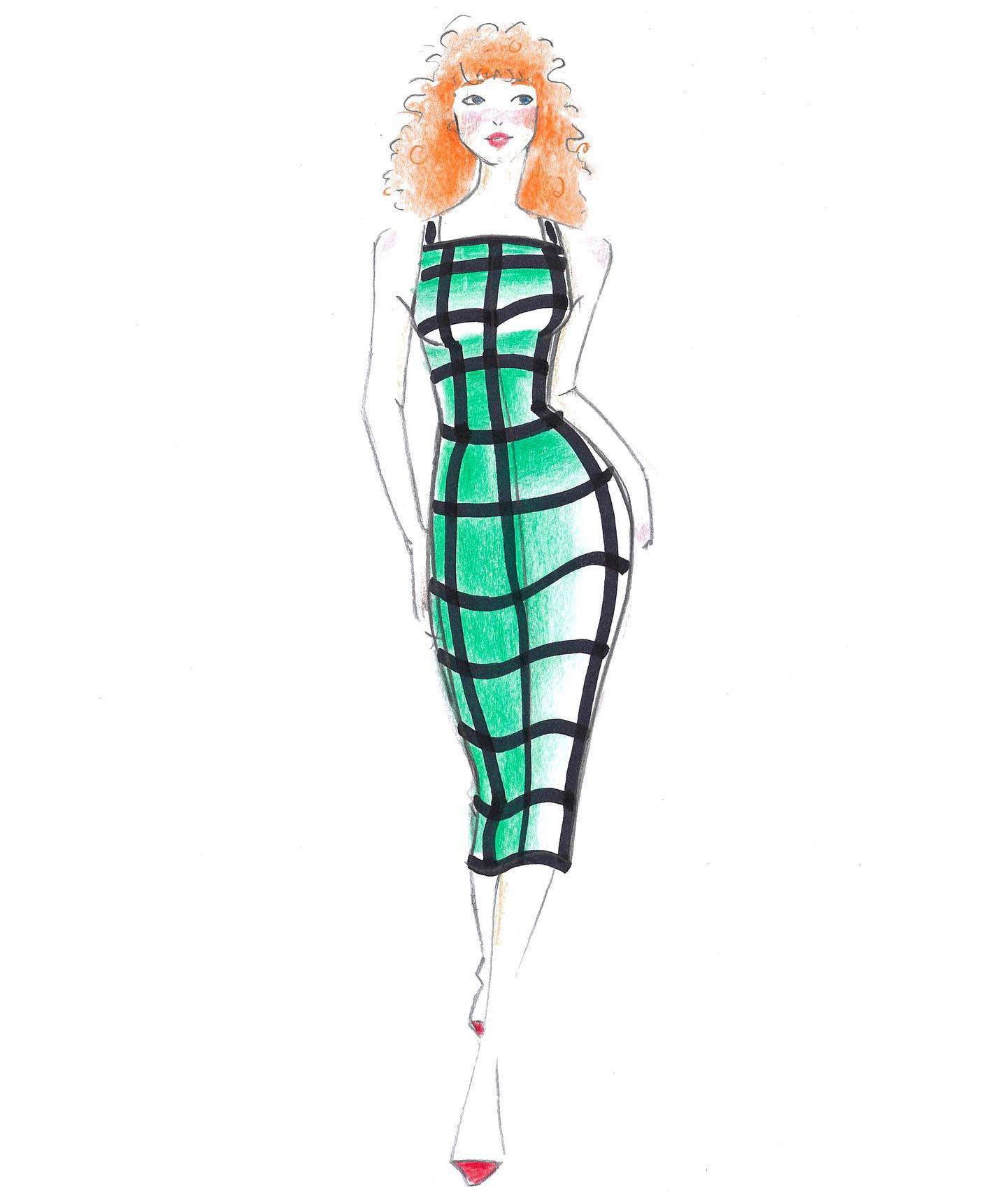
Fashion Drawing
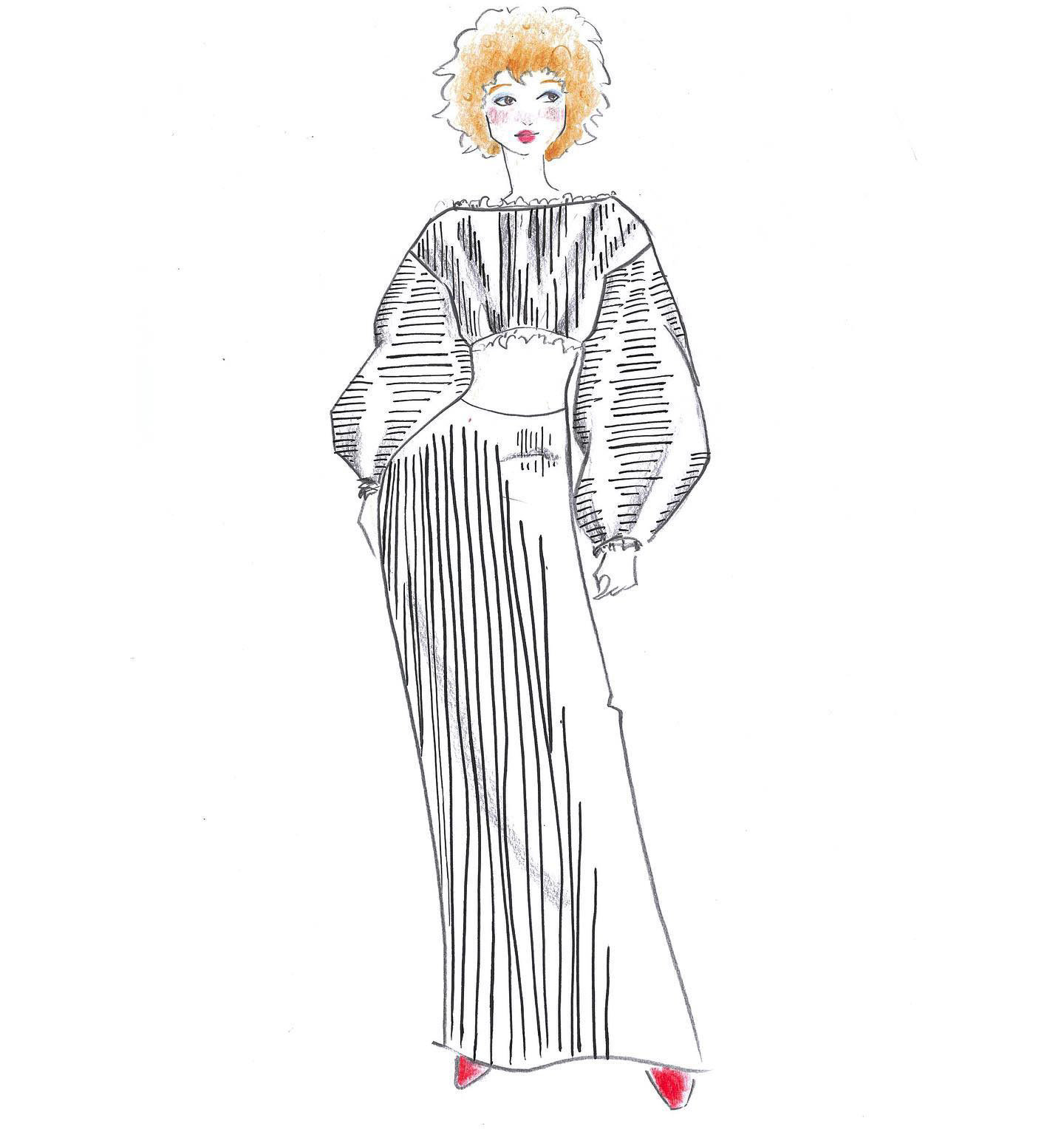
Fashion Drawing
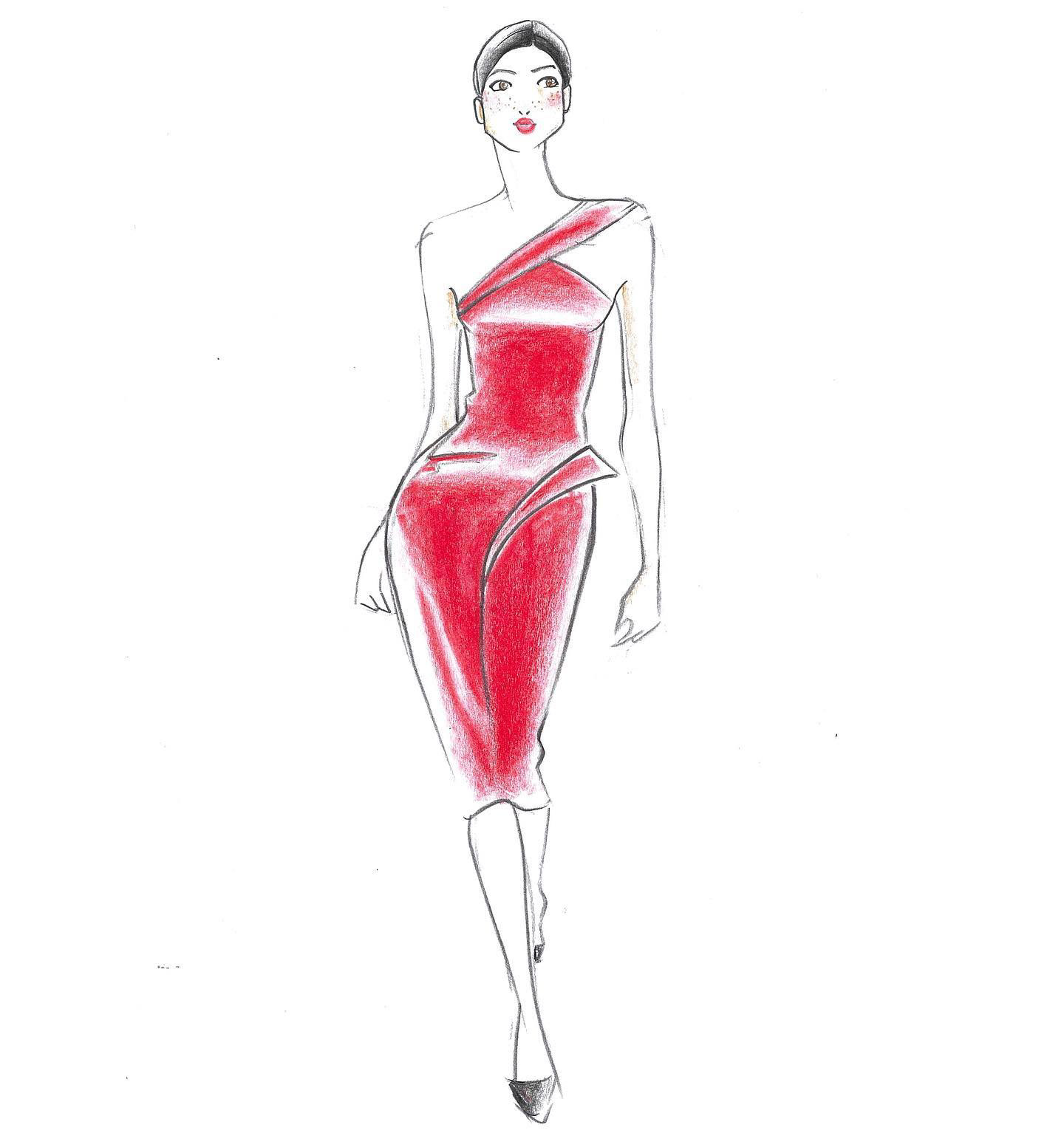
Fashion Drawing
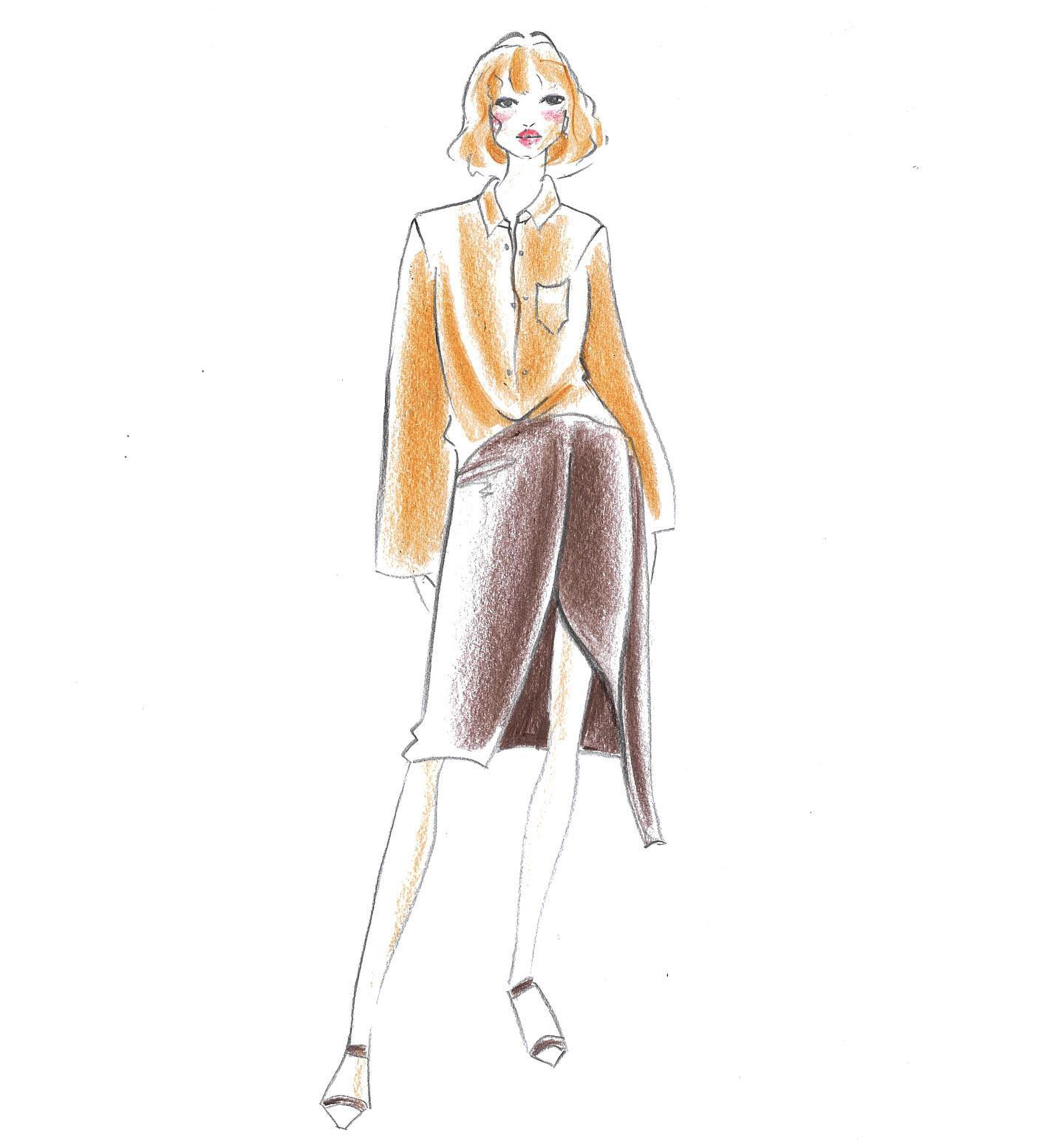
Fashion Drawing
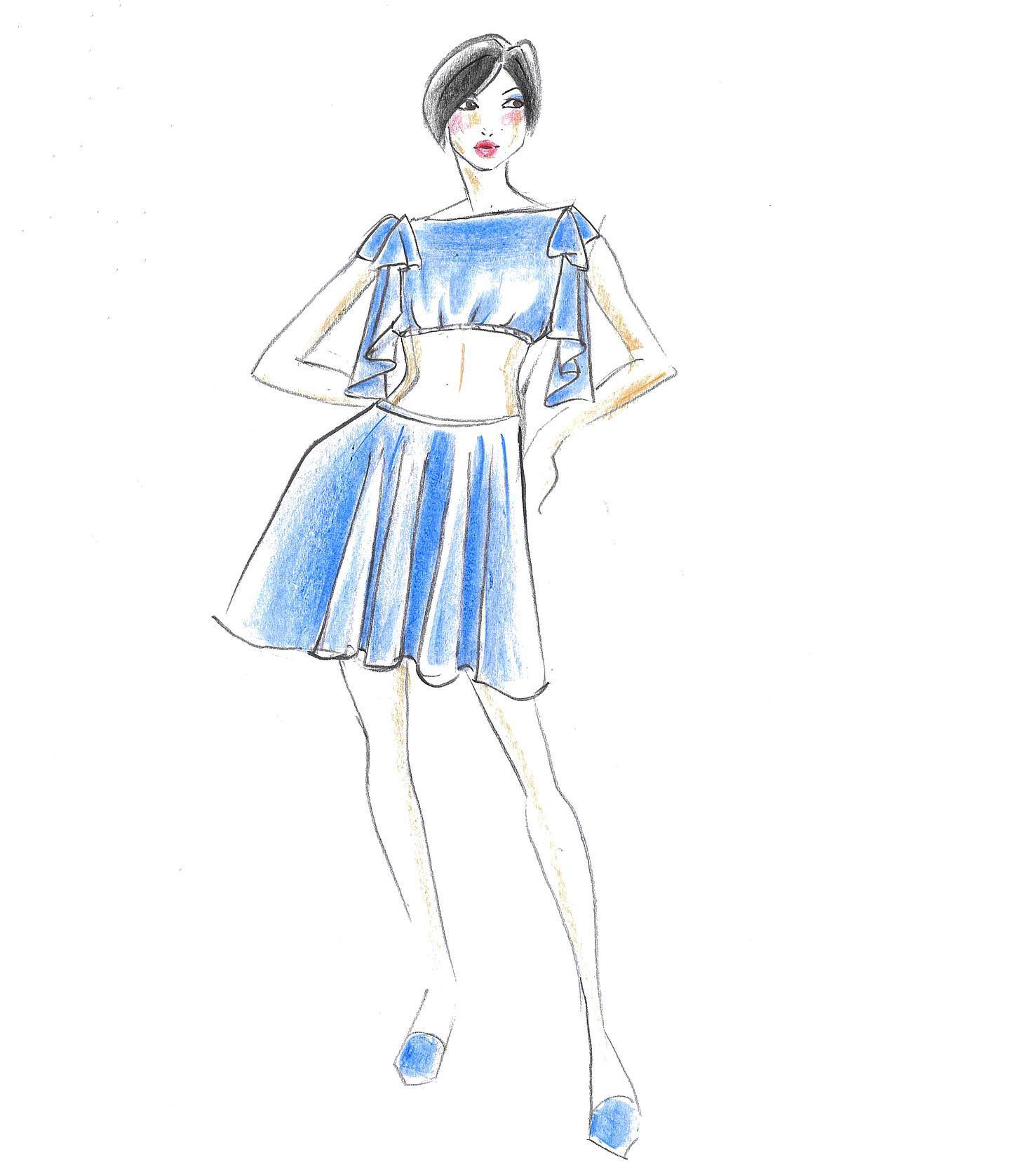
Fashion Drawing
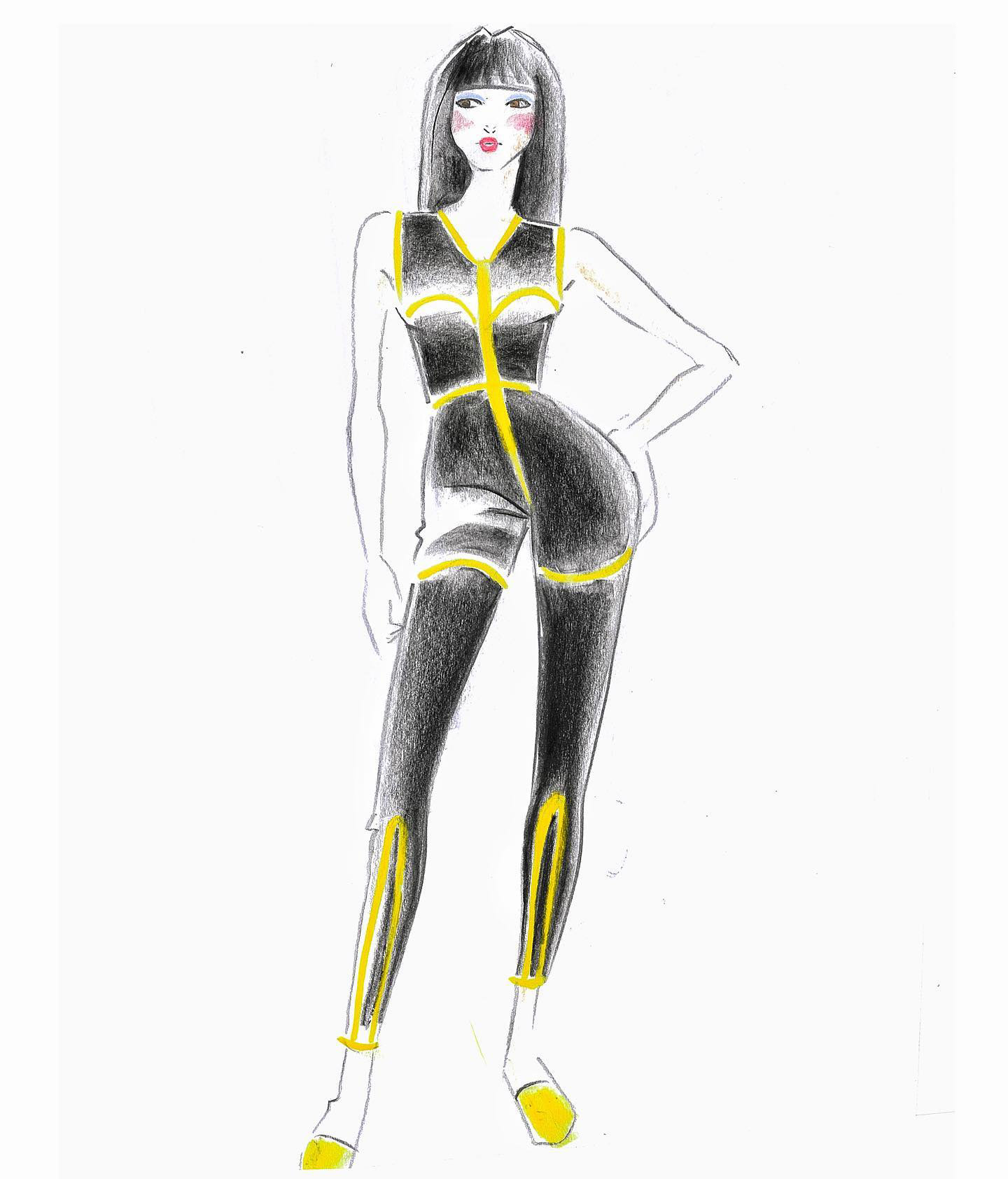
Fashion Drawing
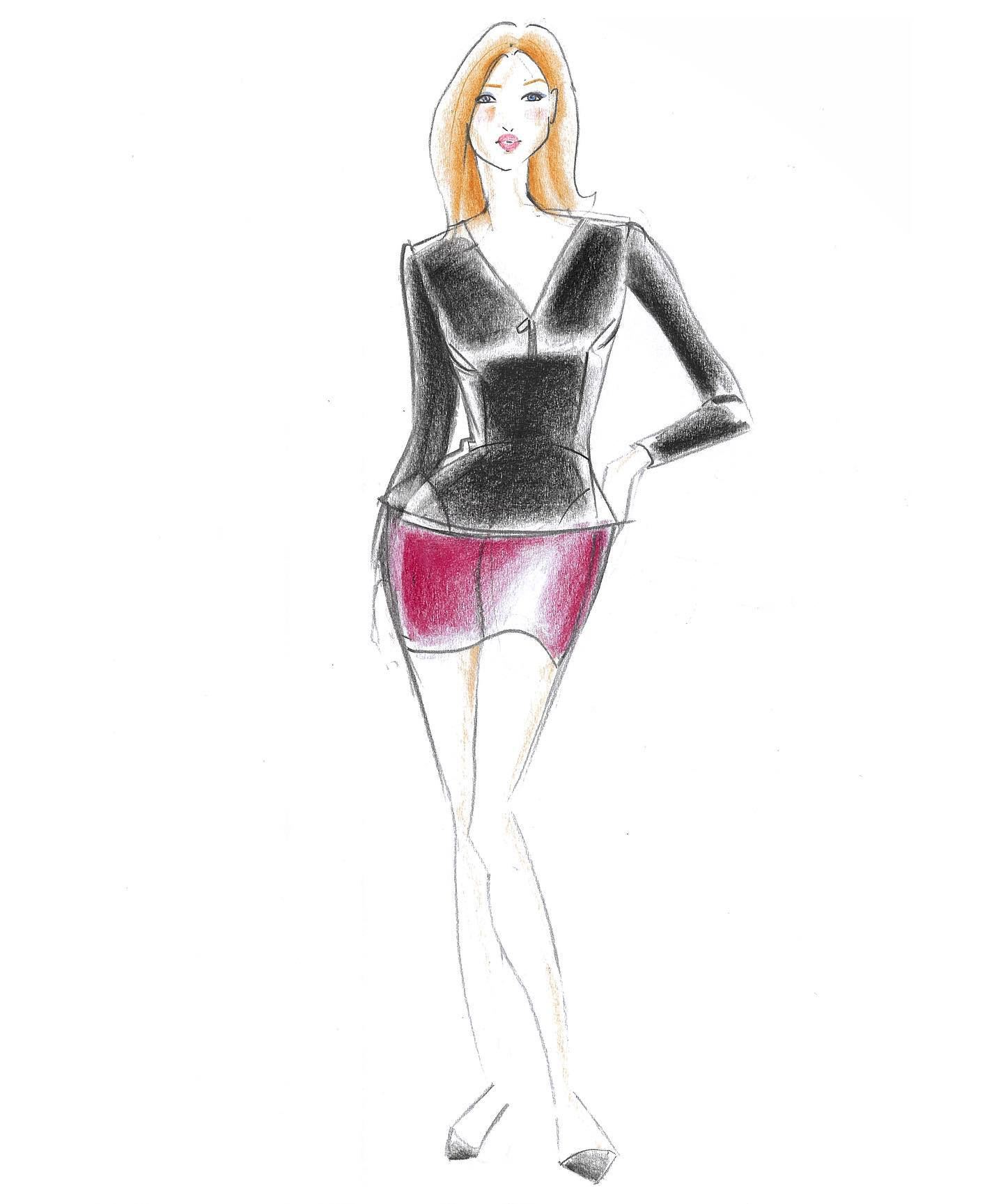
Fashion Drawing
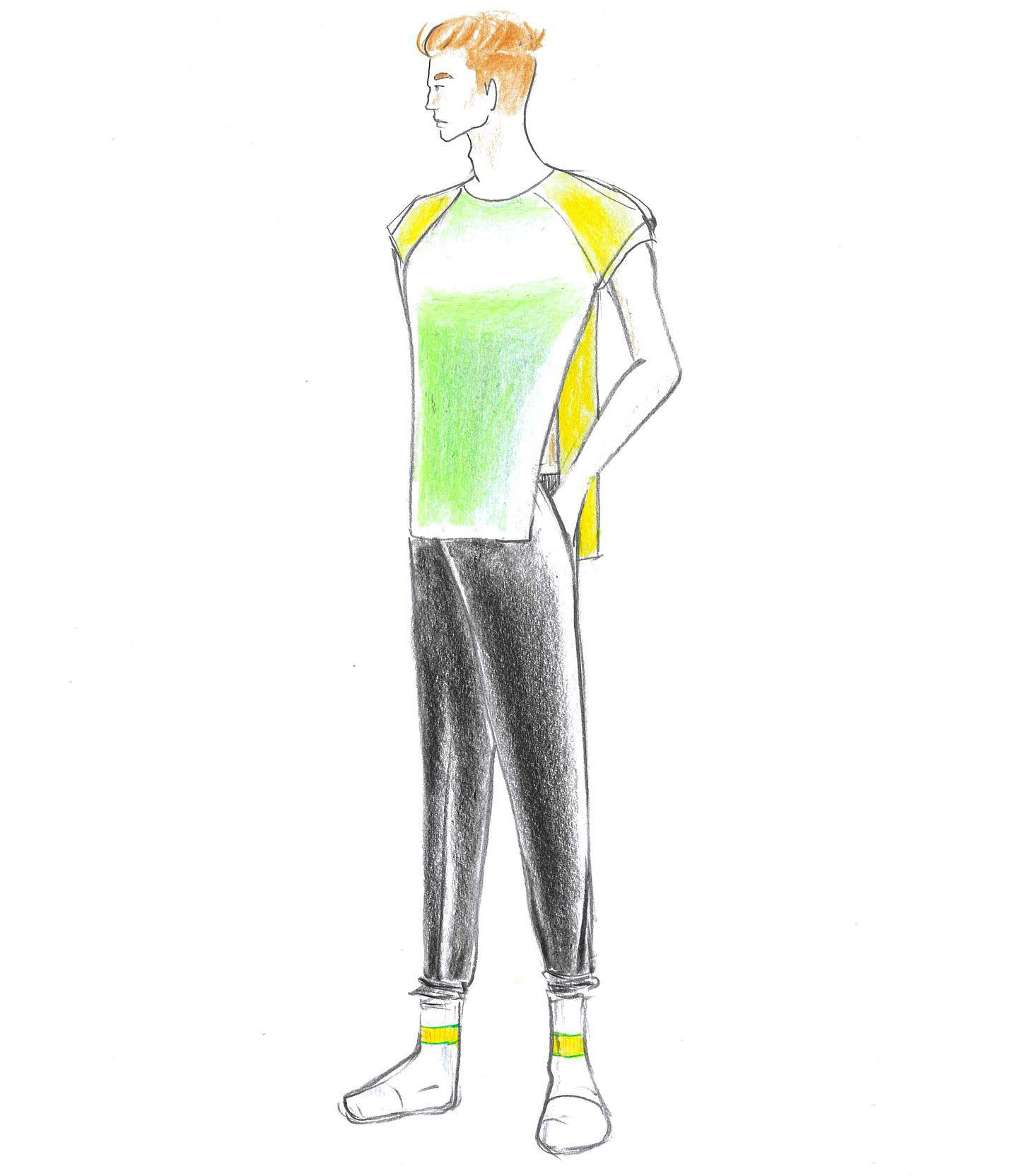
Fashion Drawing
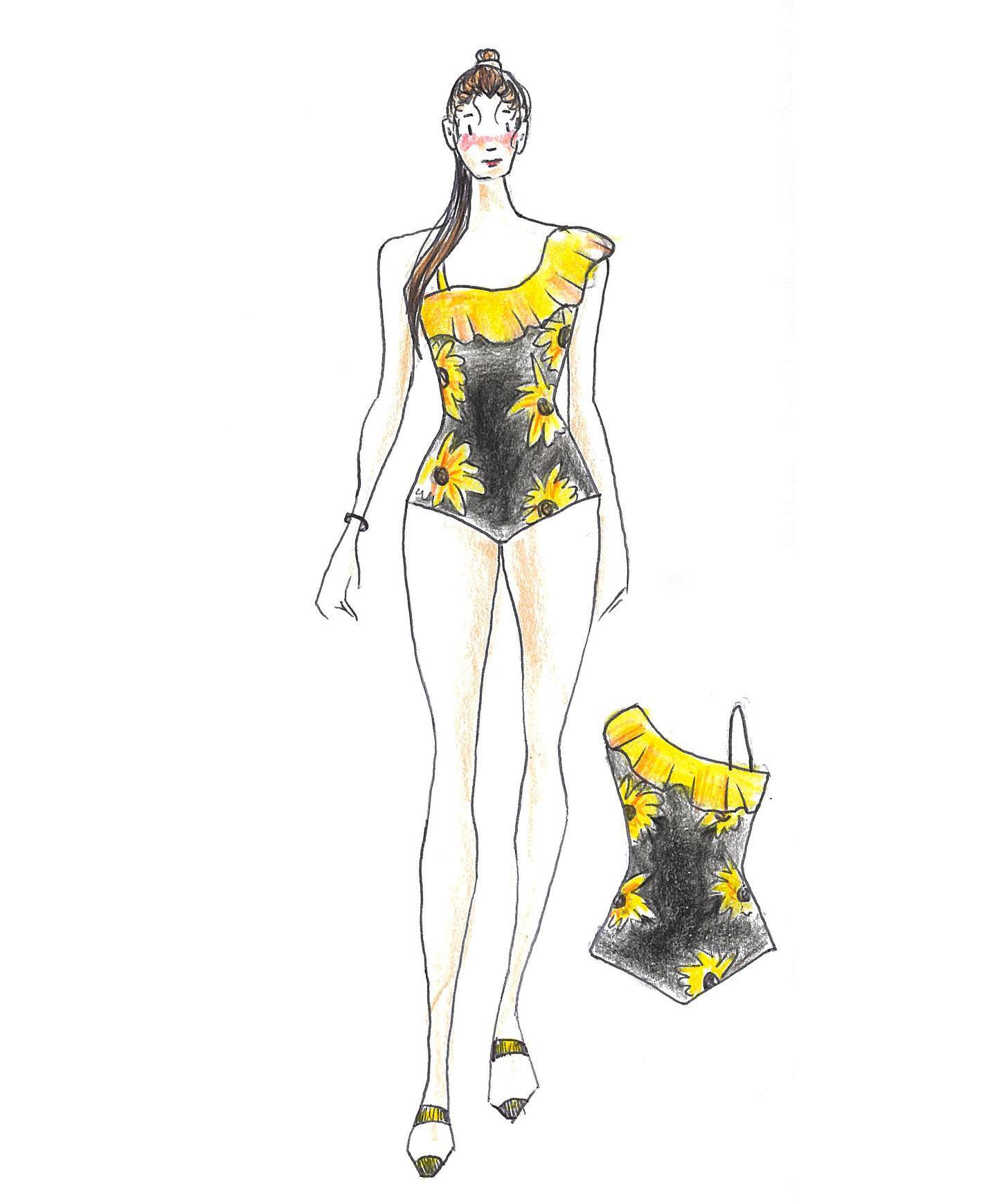
Fashion Drawing
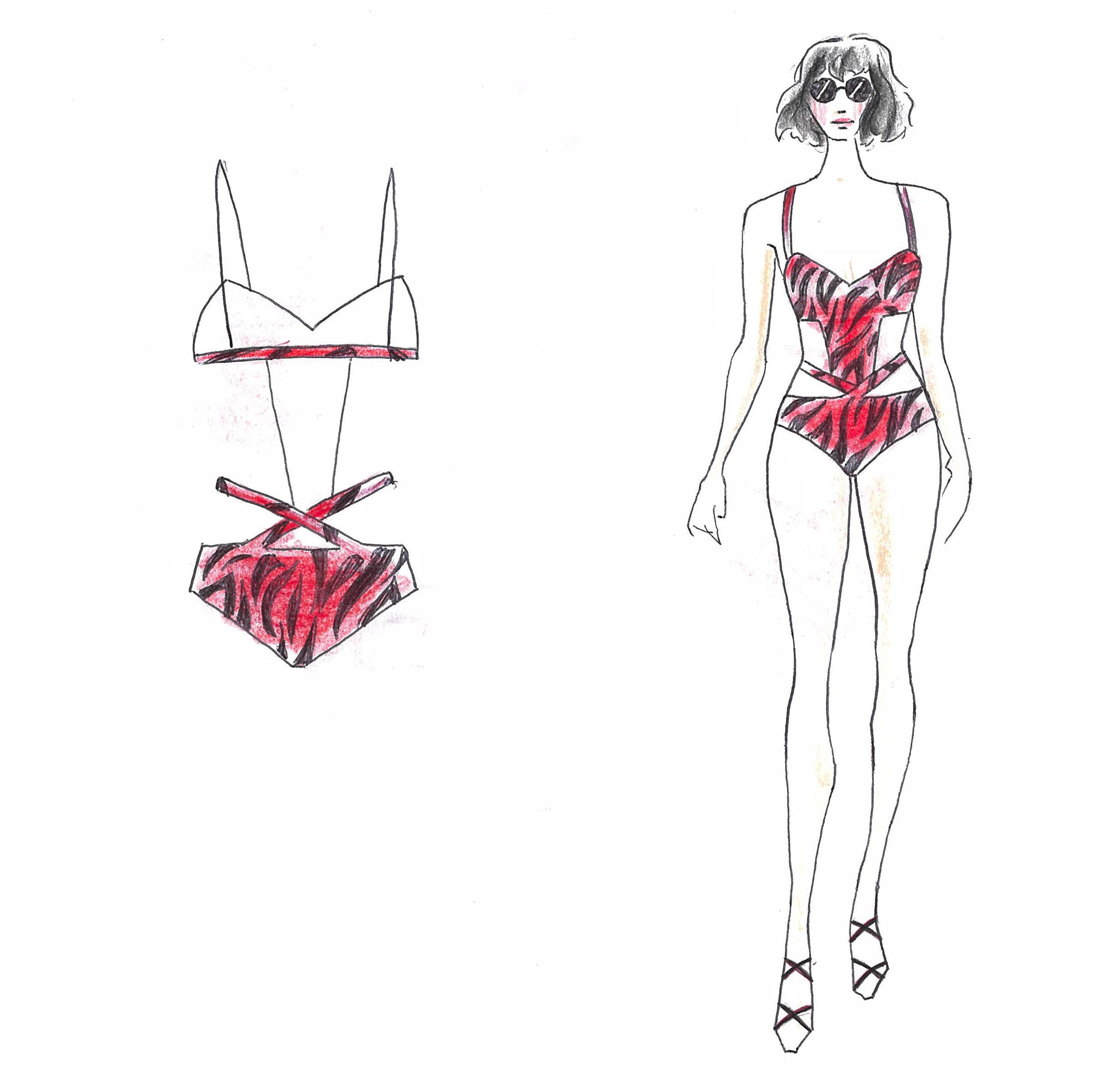
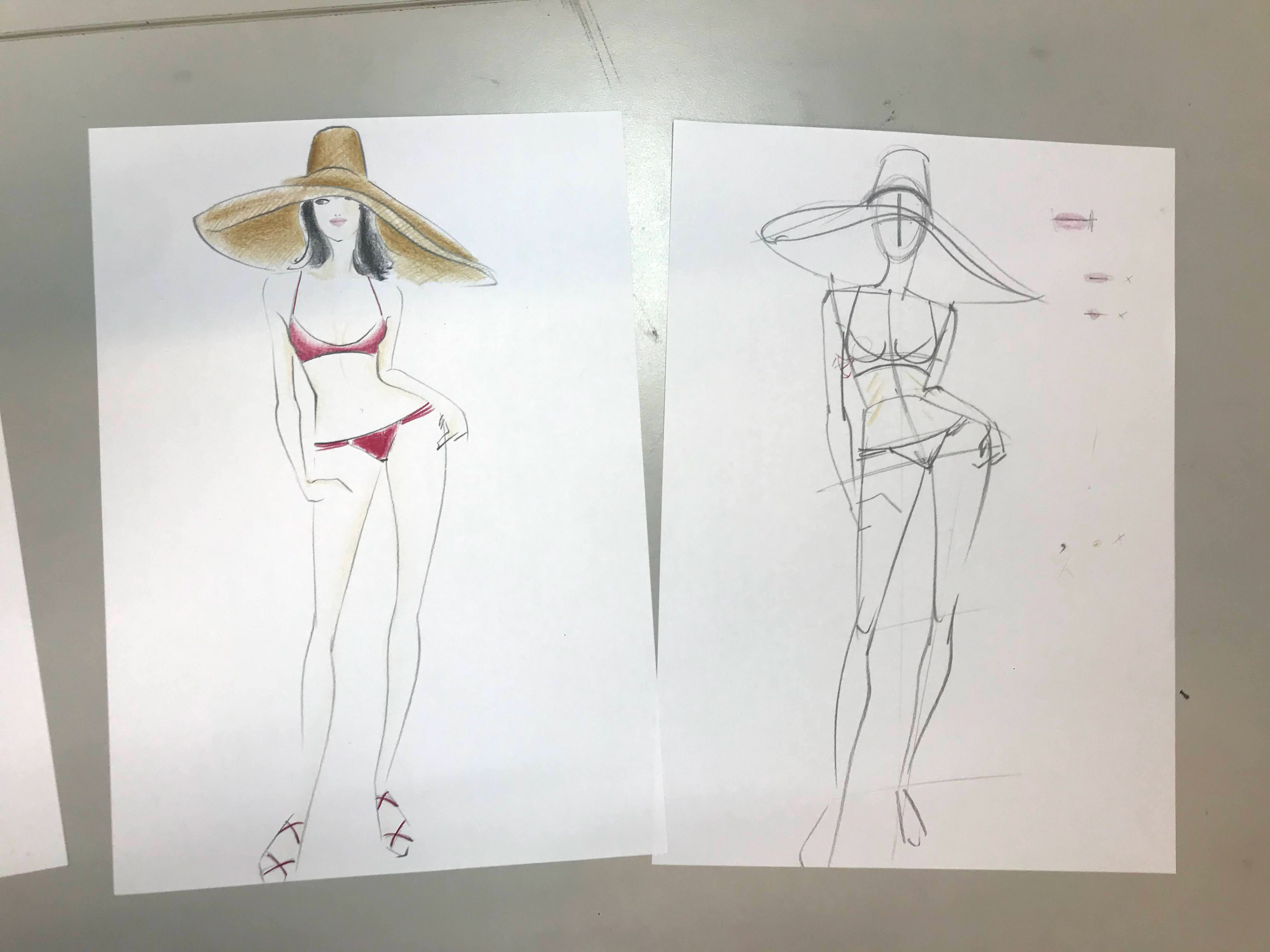
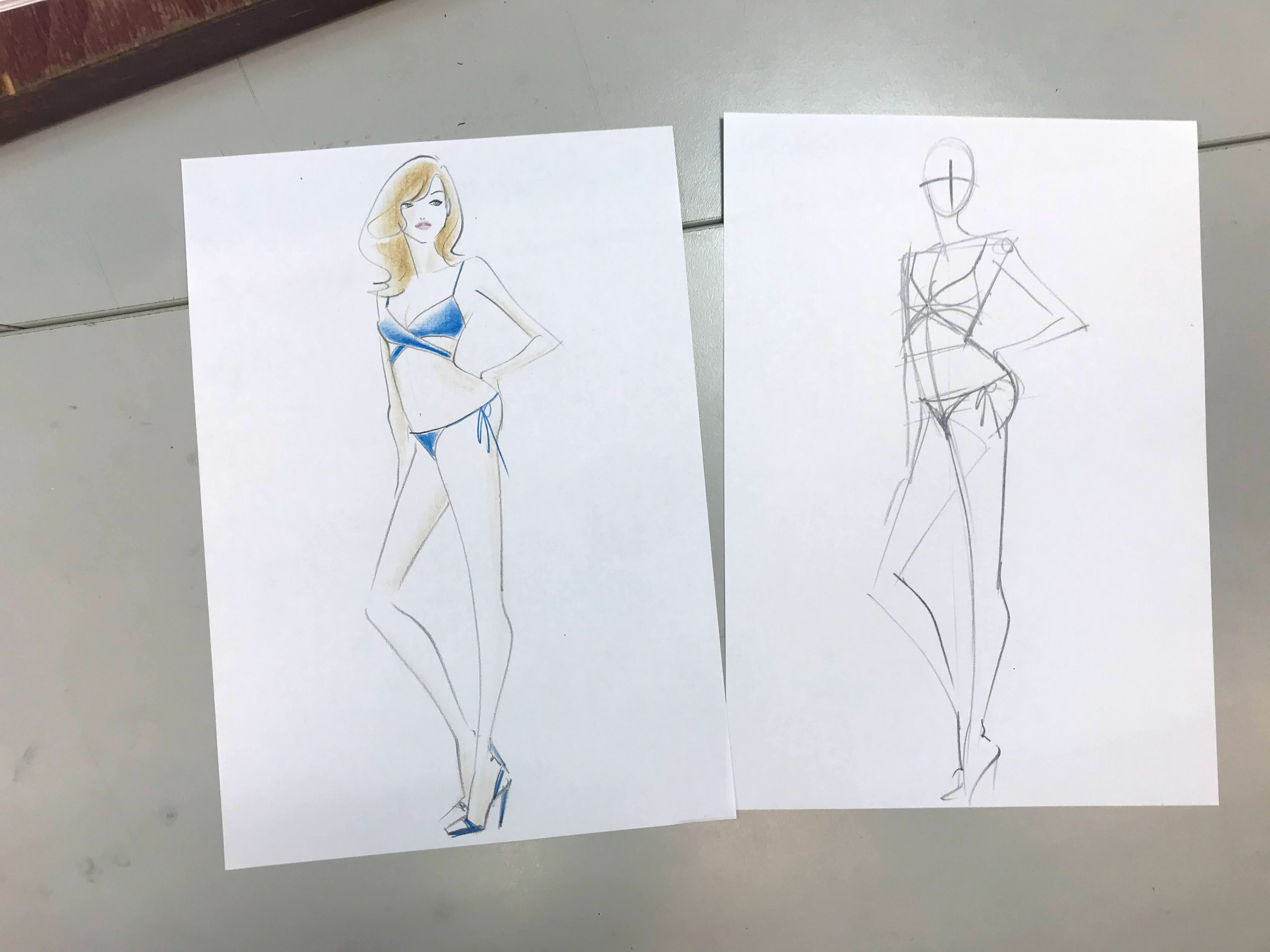
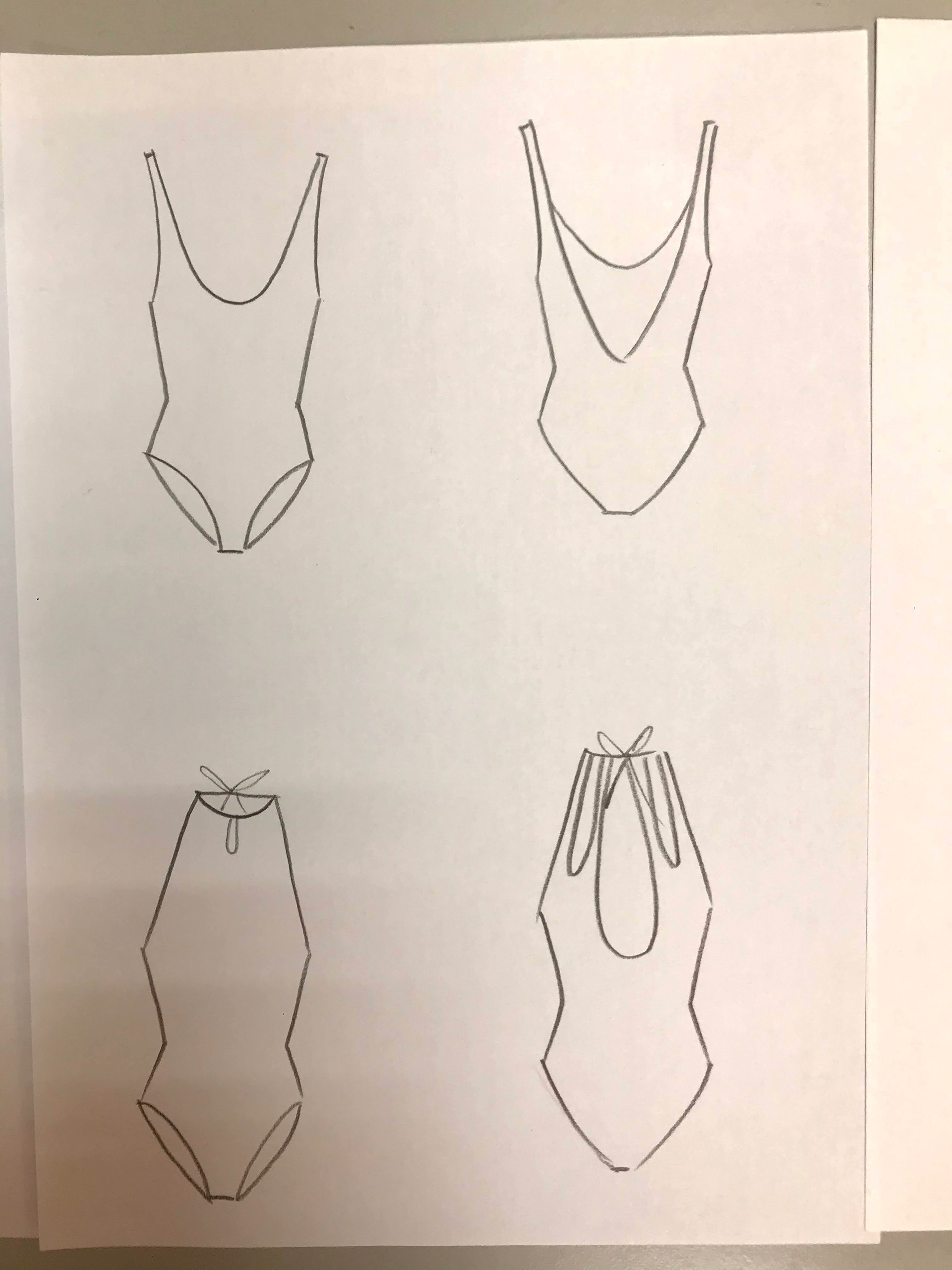
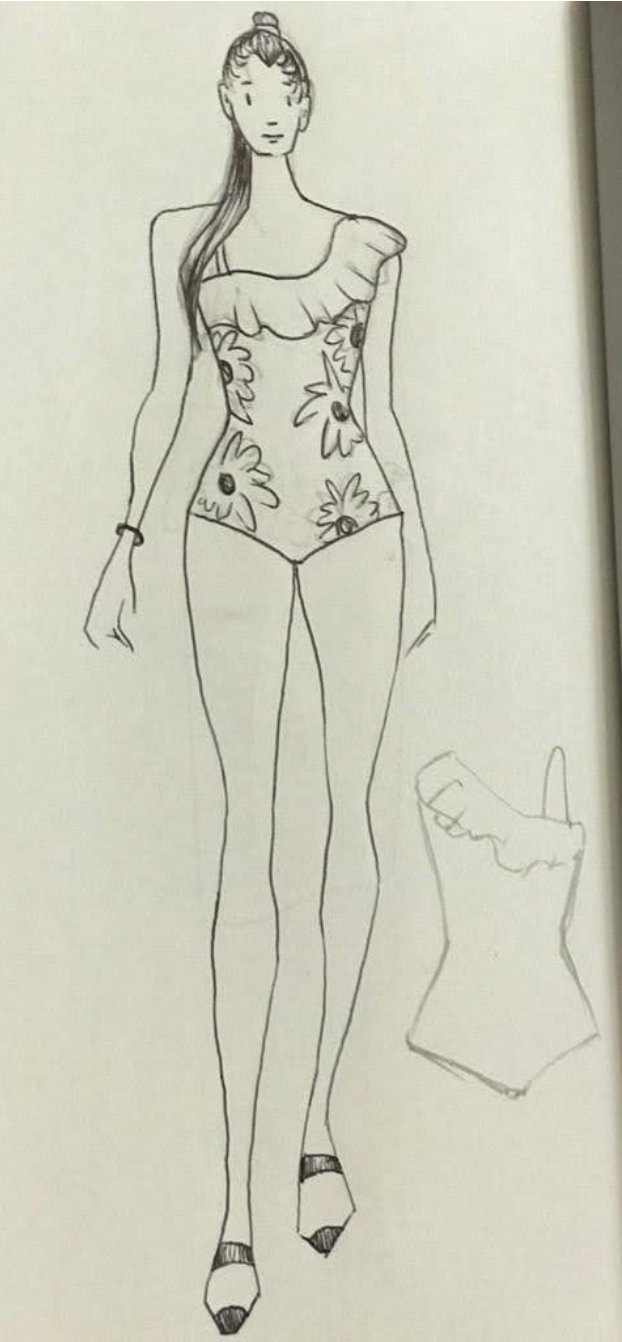
Swimsuit Drawing
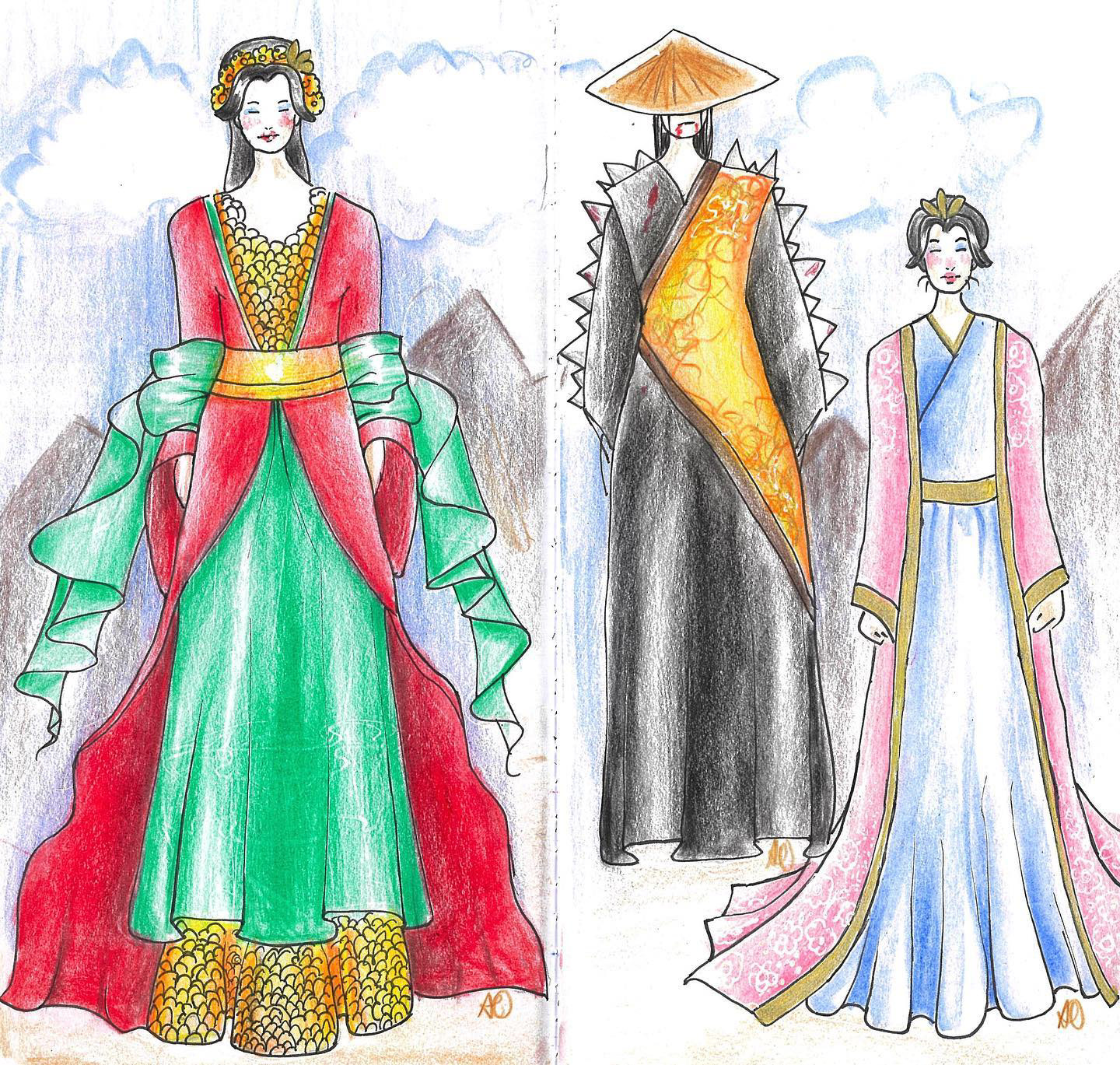
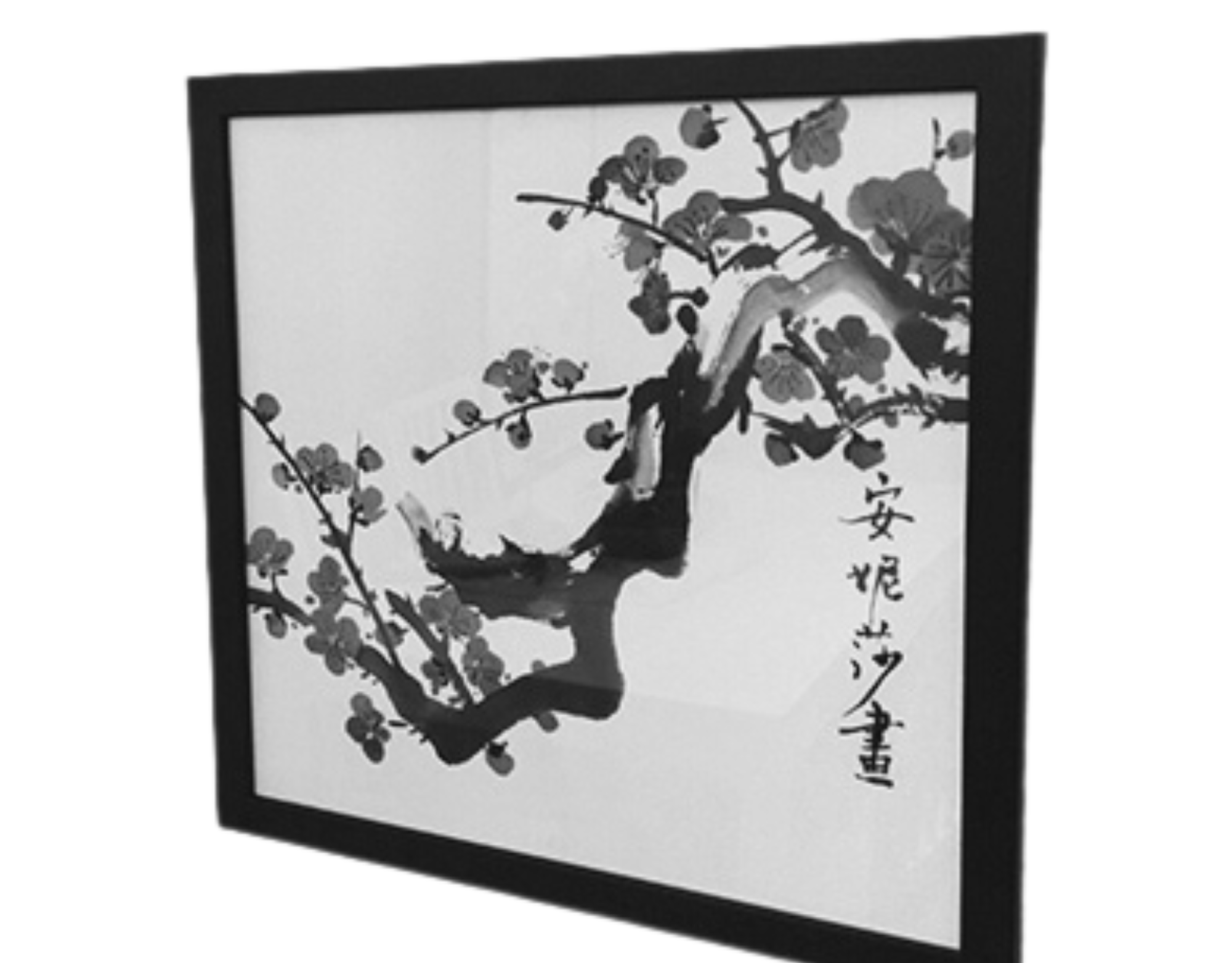
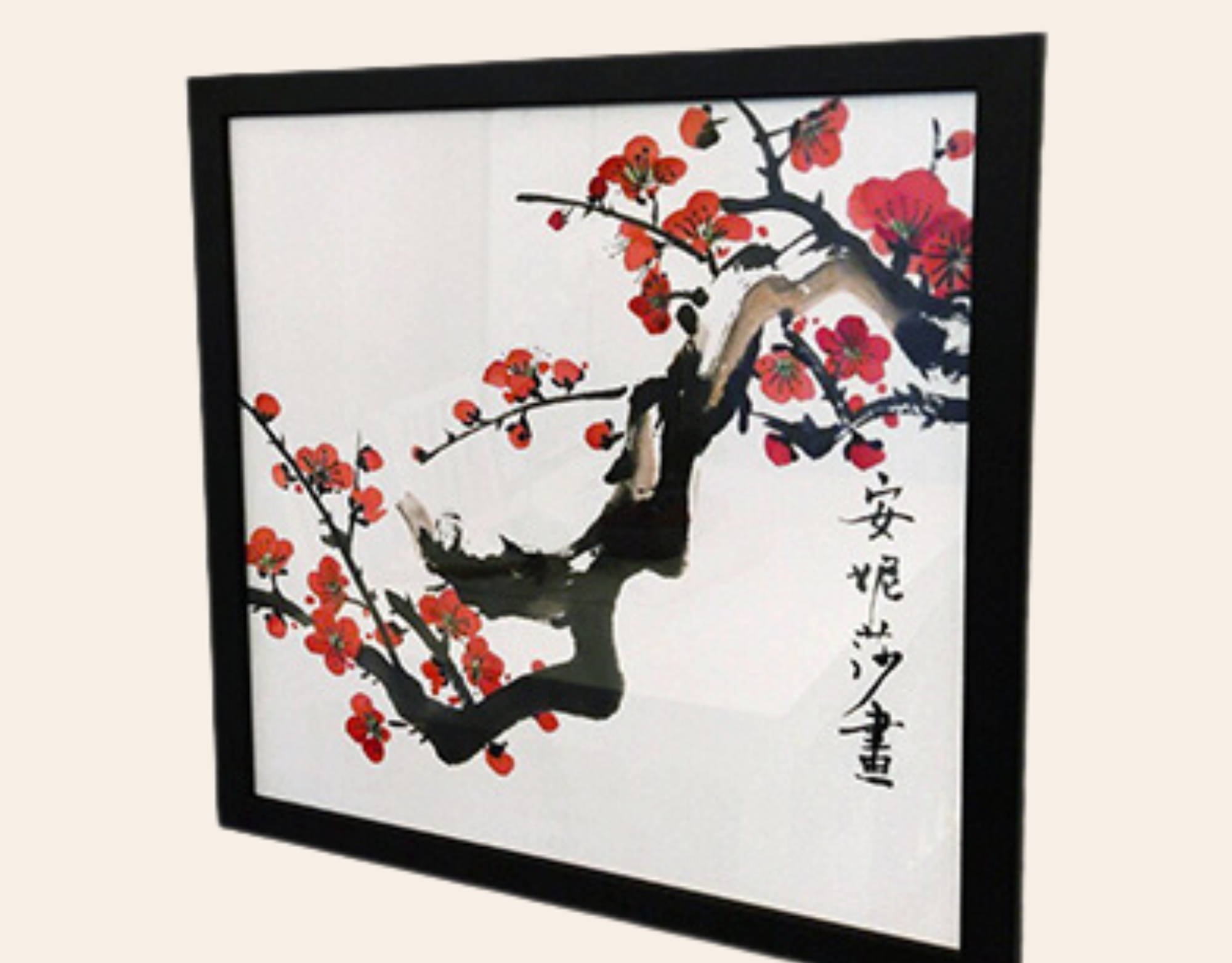
Traditional Chinese Drawing
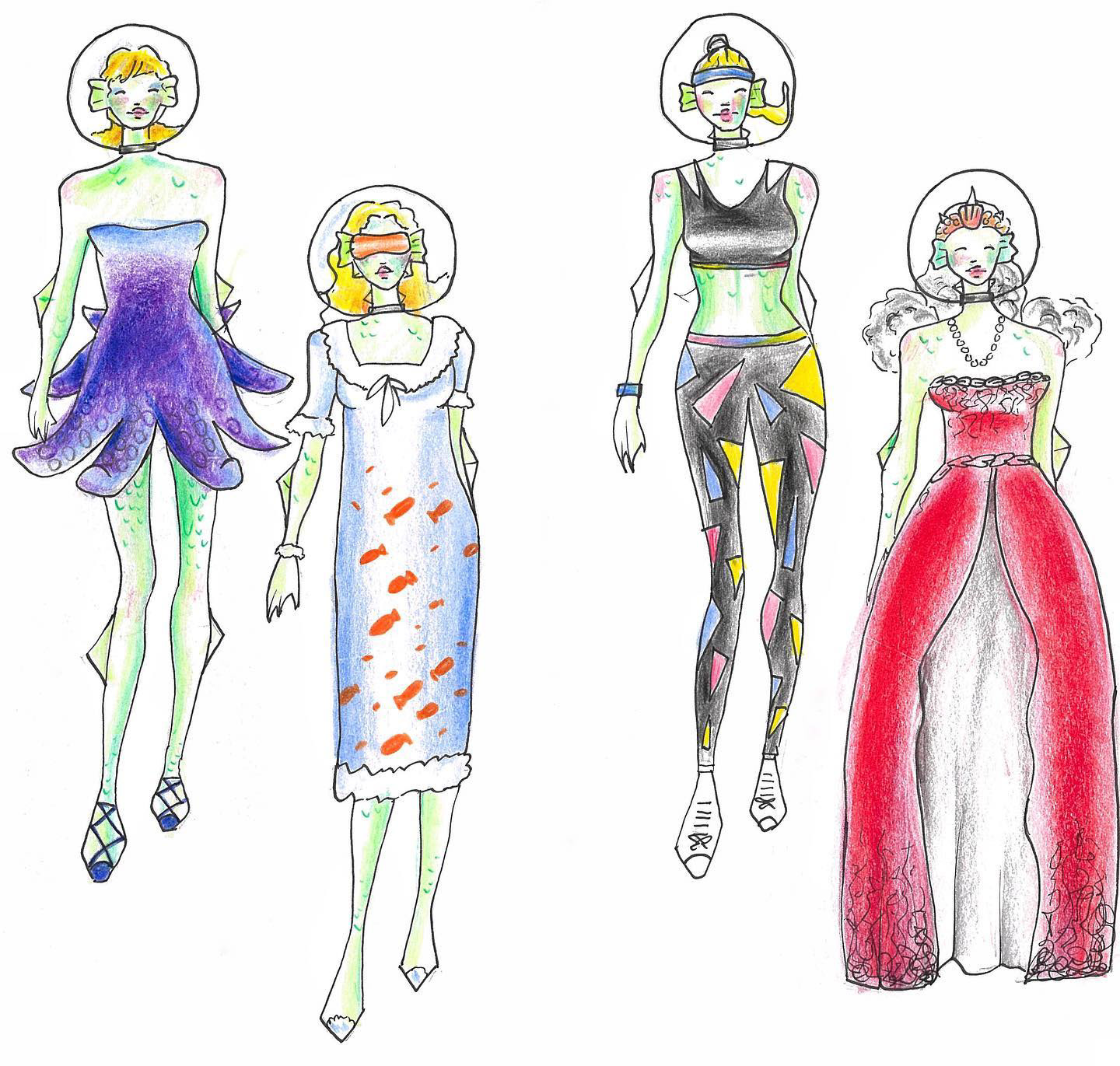
Underwater Theme Fashion Drawings
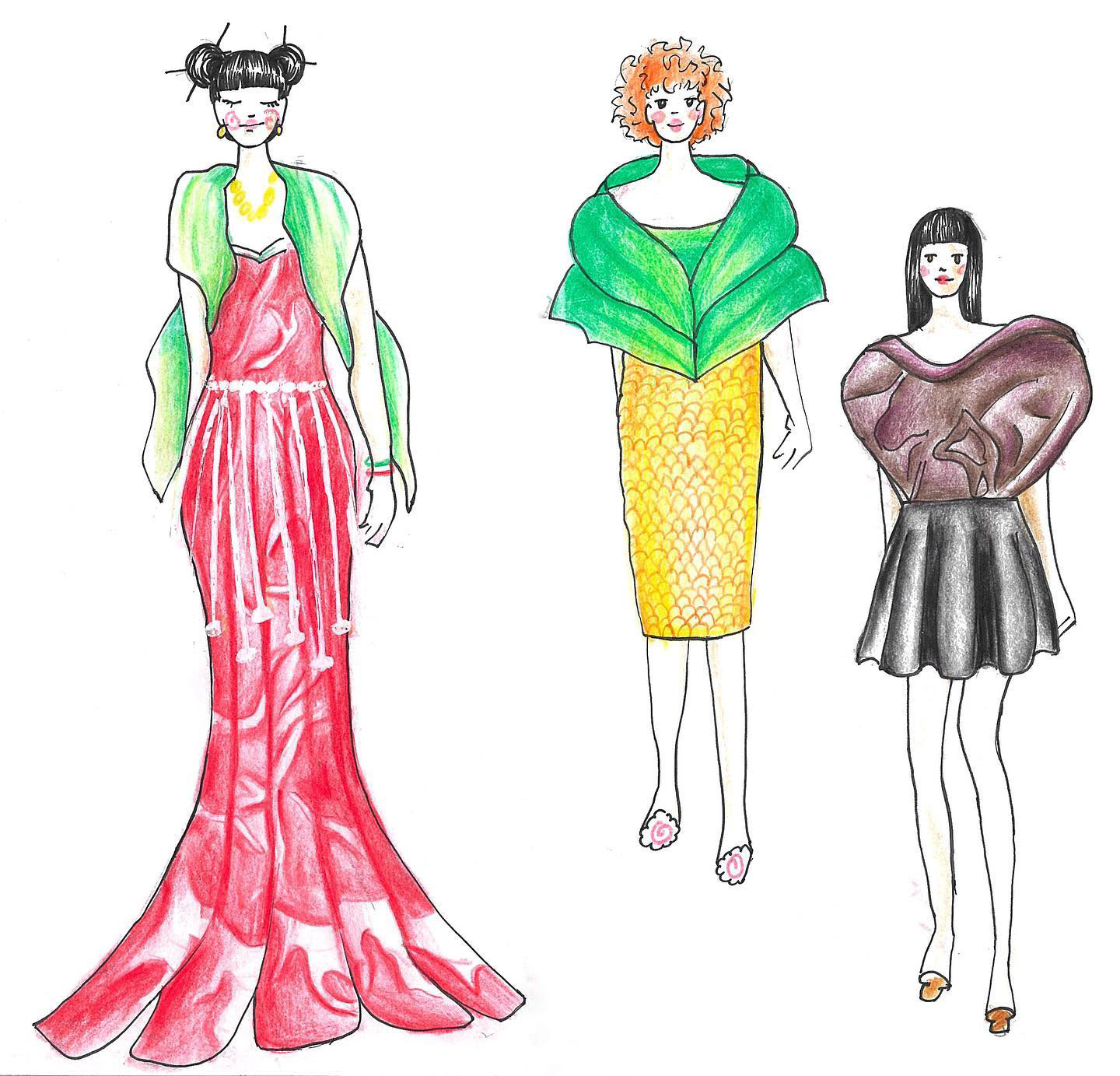
Hotpot Inspired Fashion Drawing
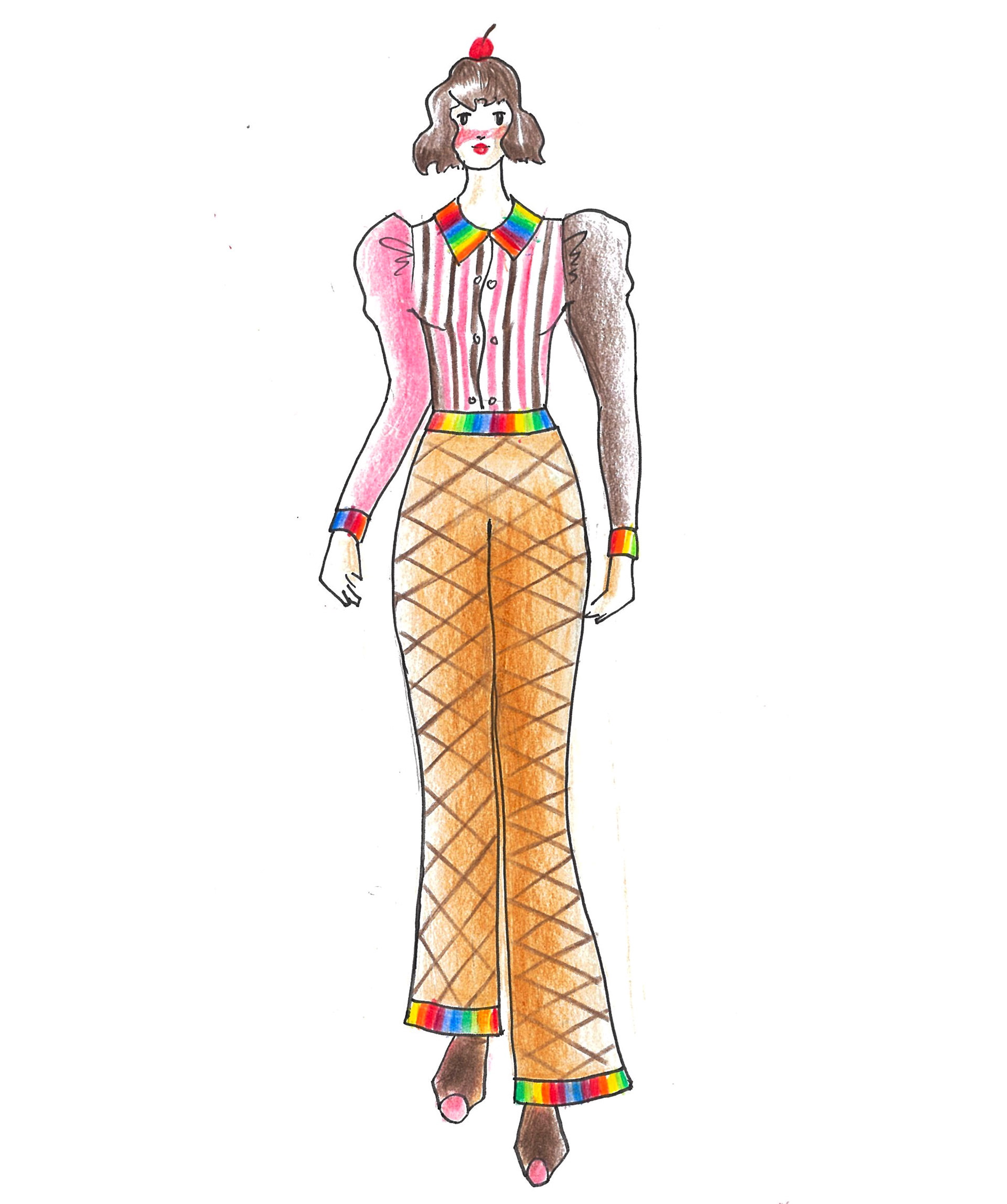
Ice cream Inspired Outfit
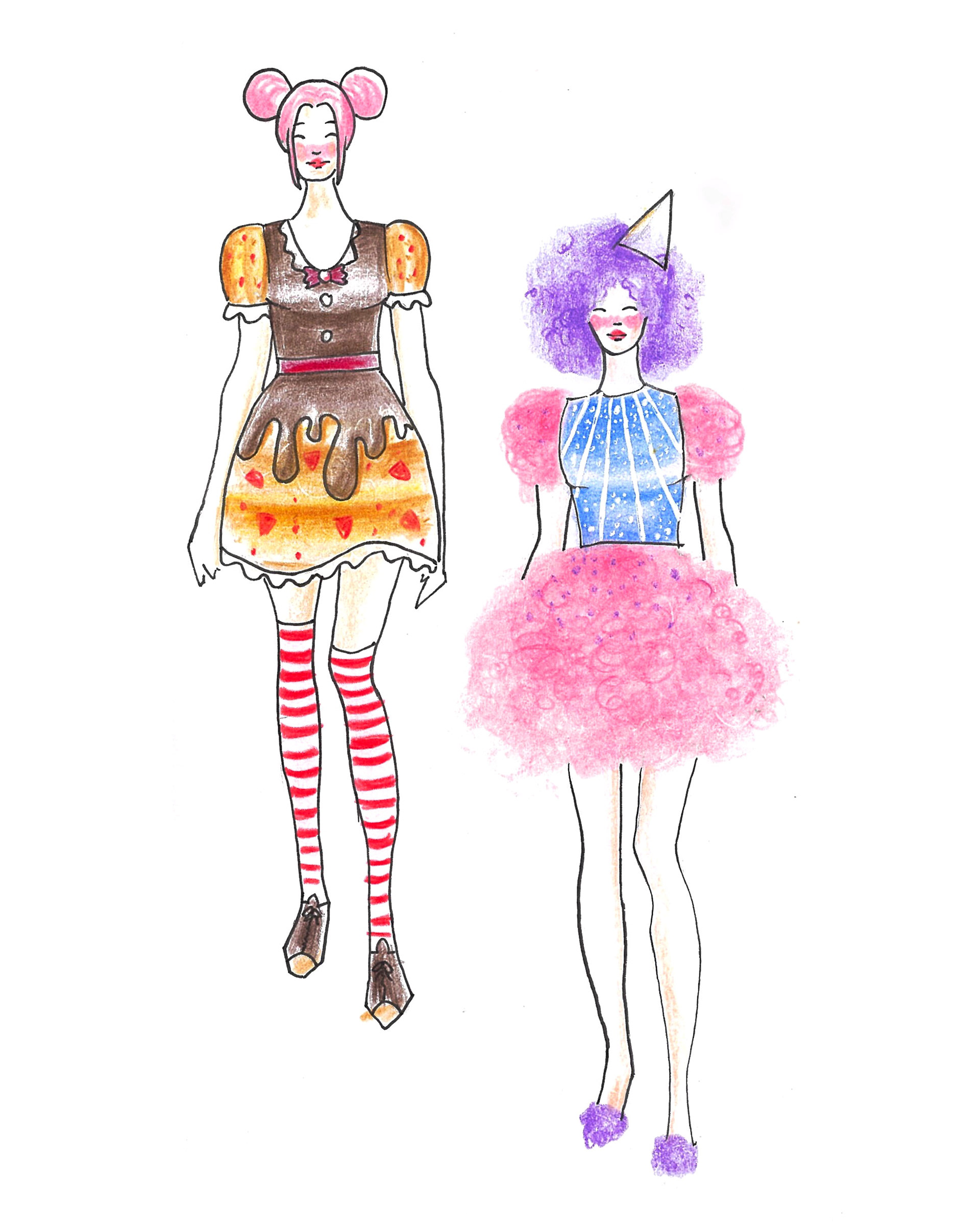
Cake Themed Fashion Drawing
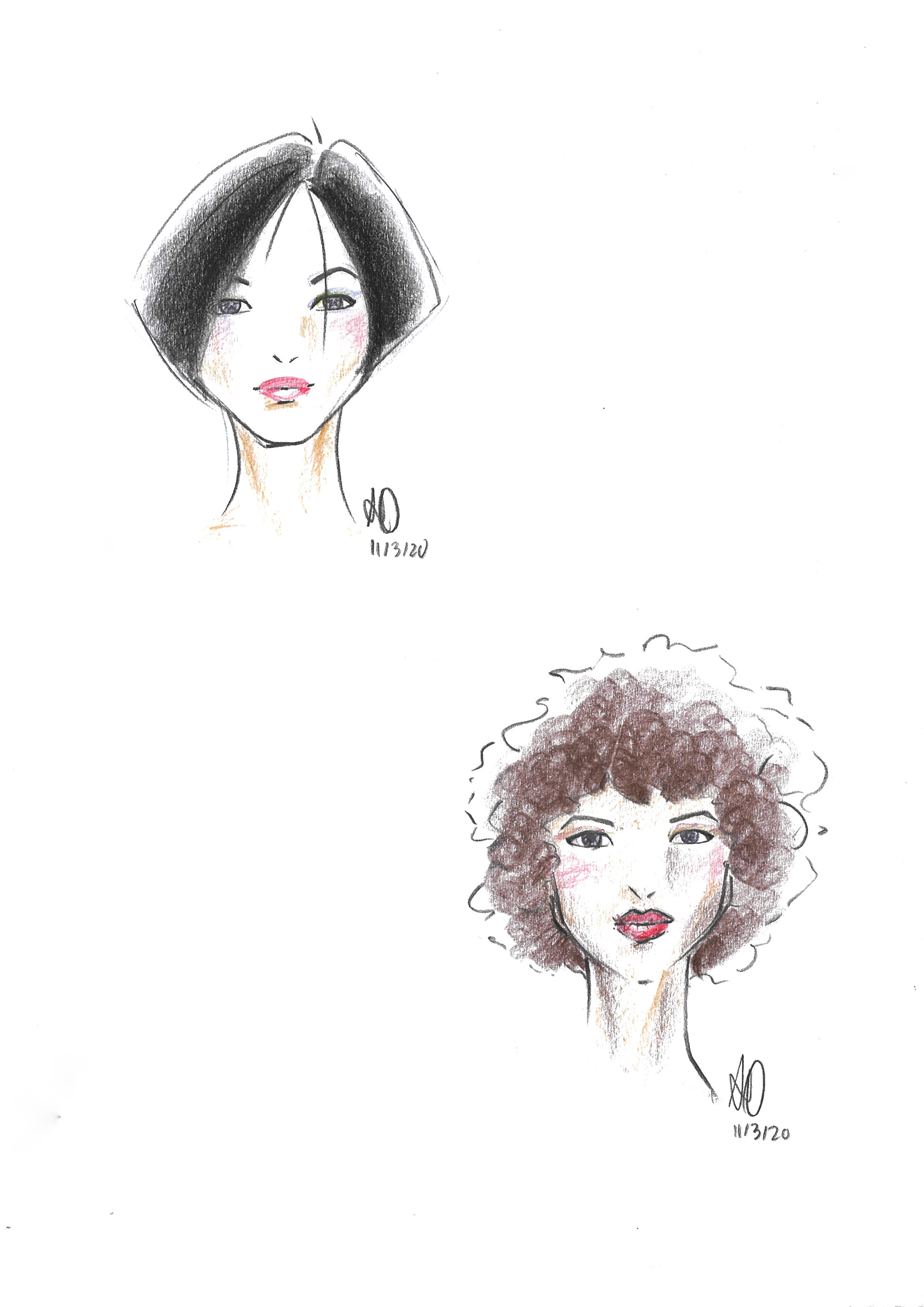
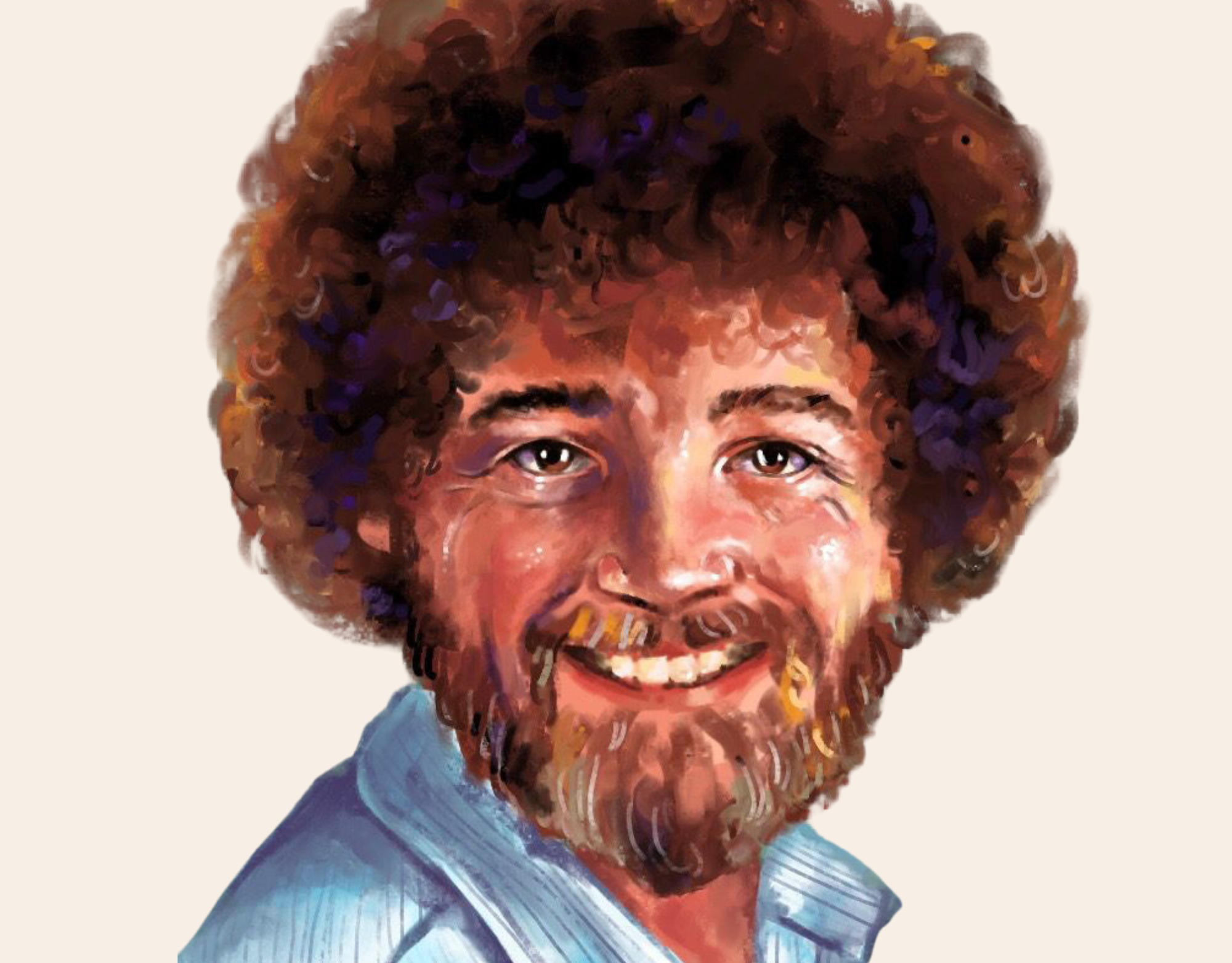
Female Faces
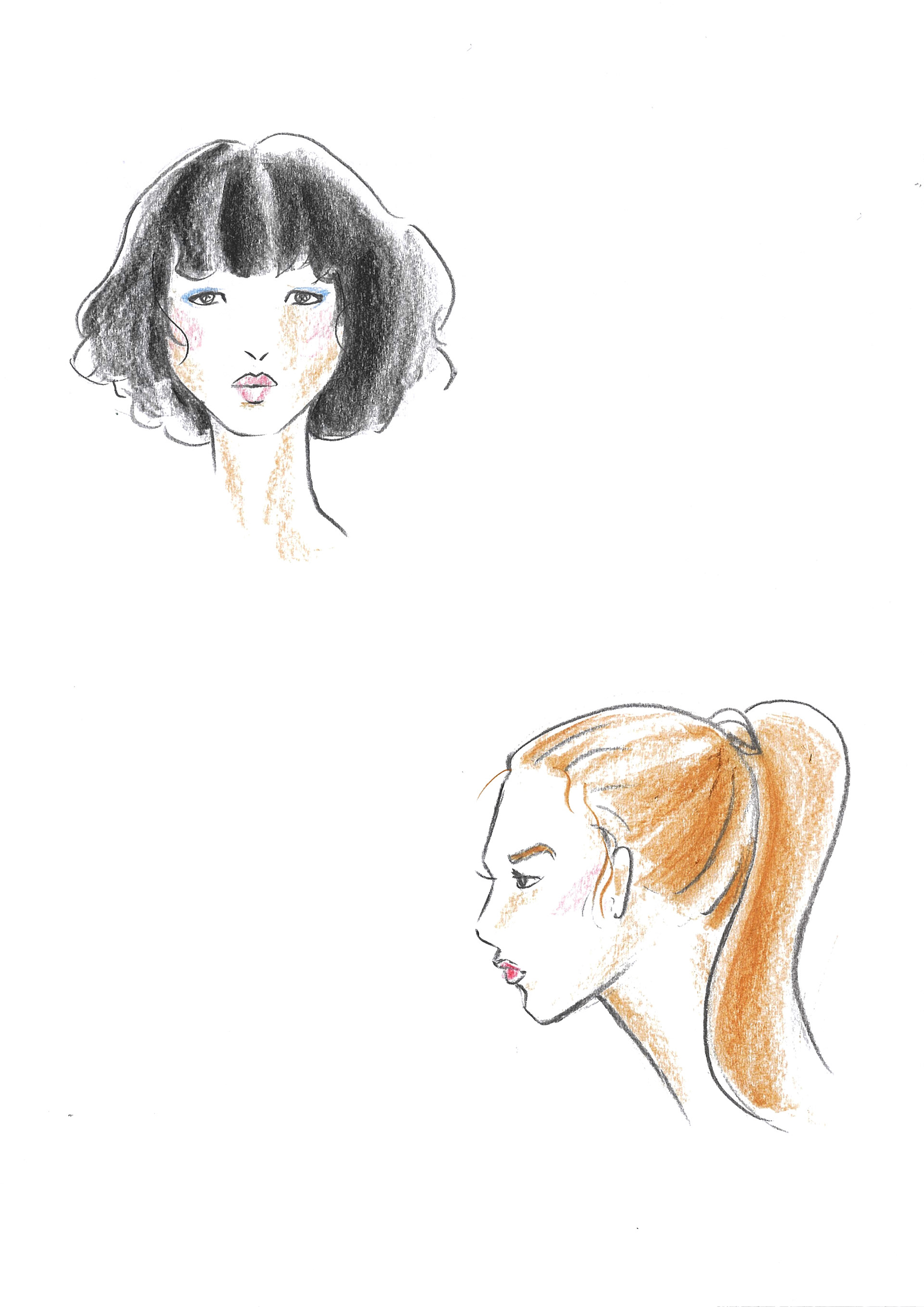
Female Faces
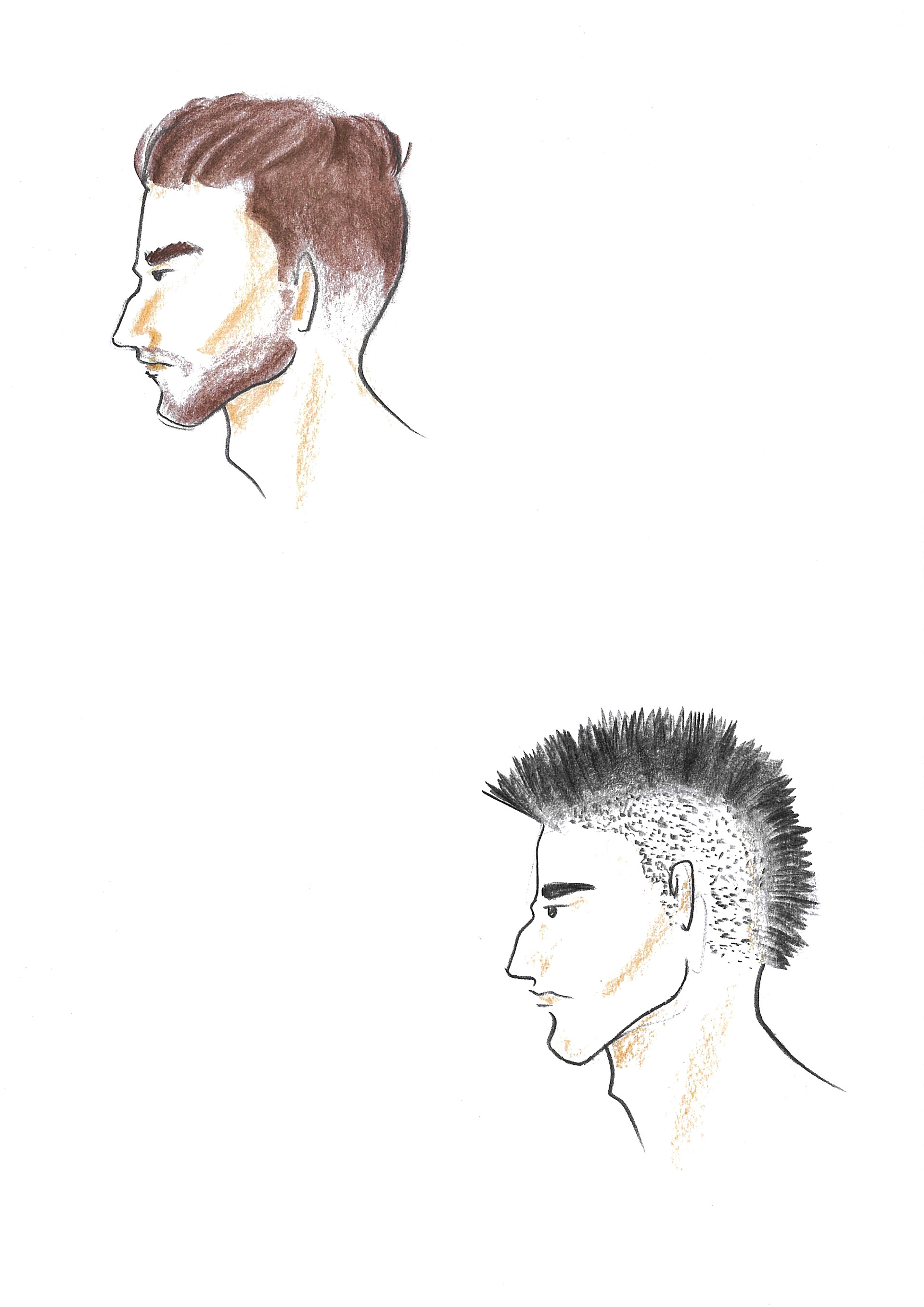
Male Faces
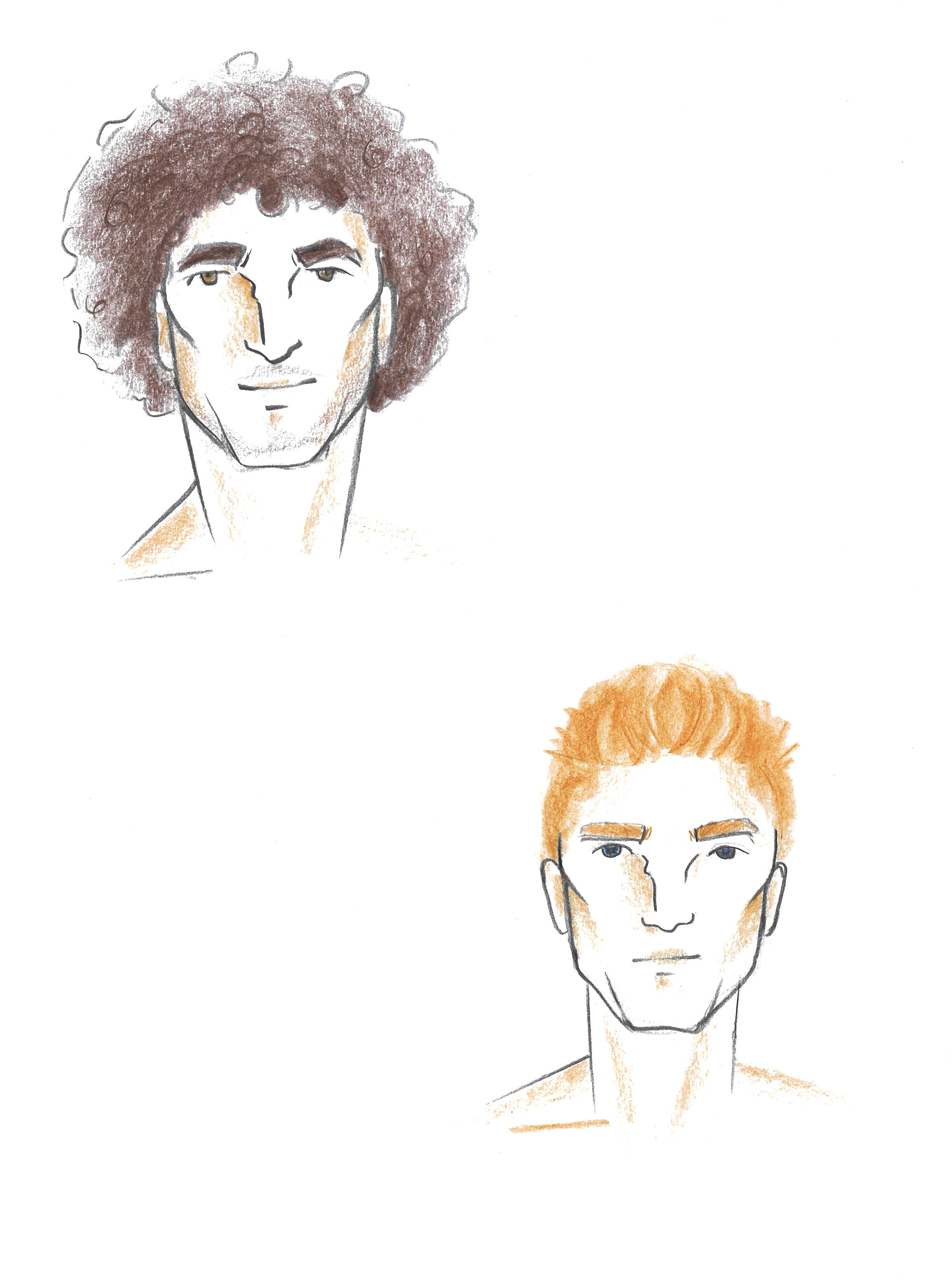
Male Faces
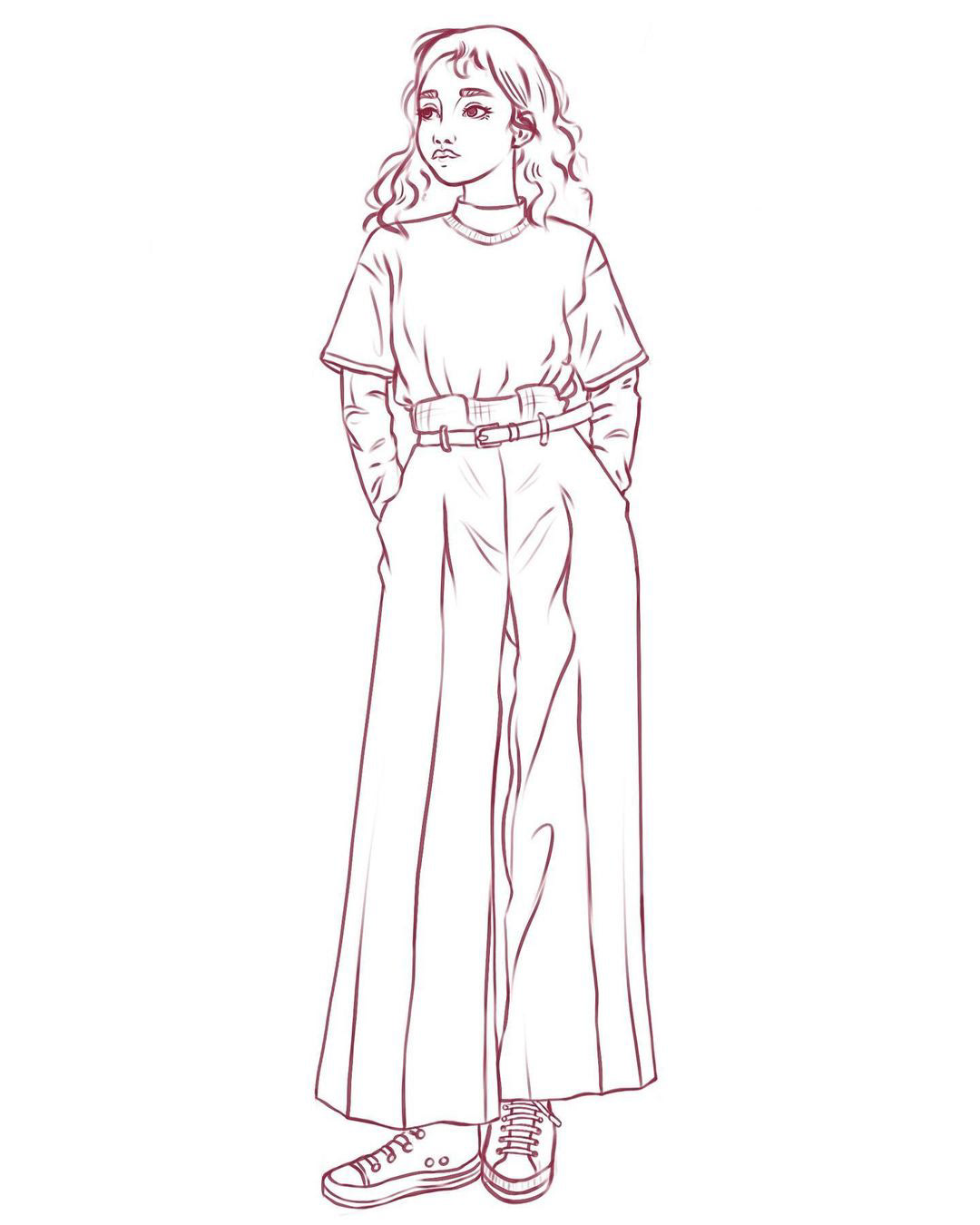
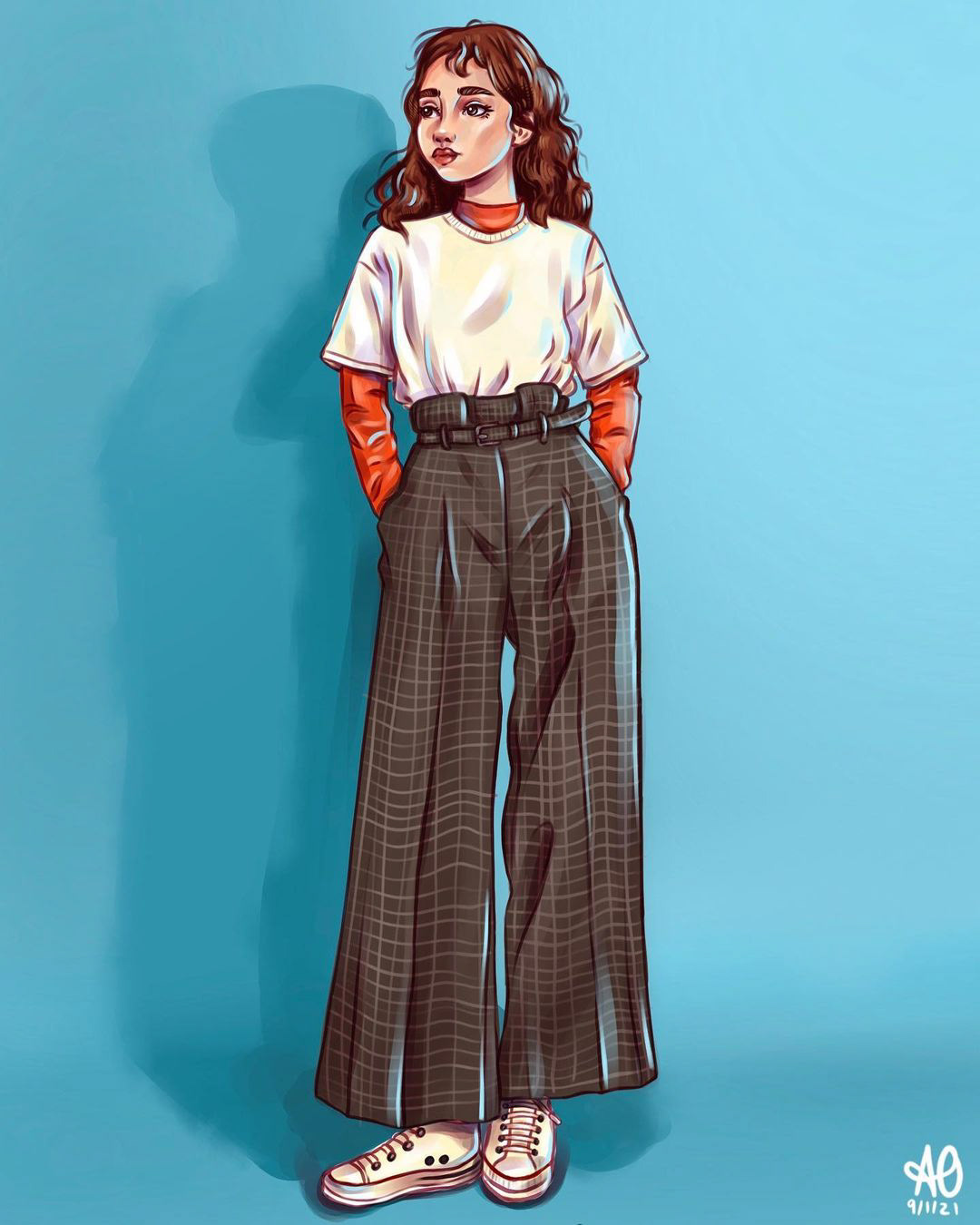
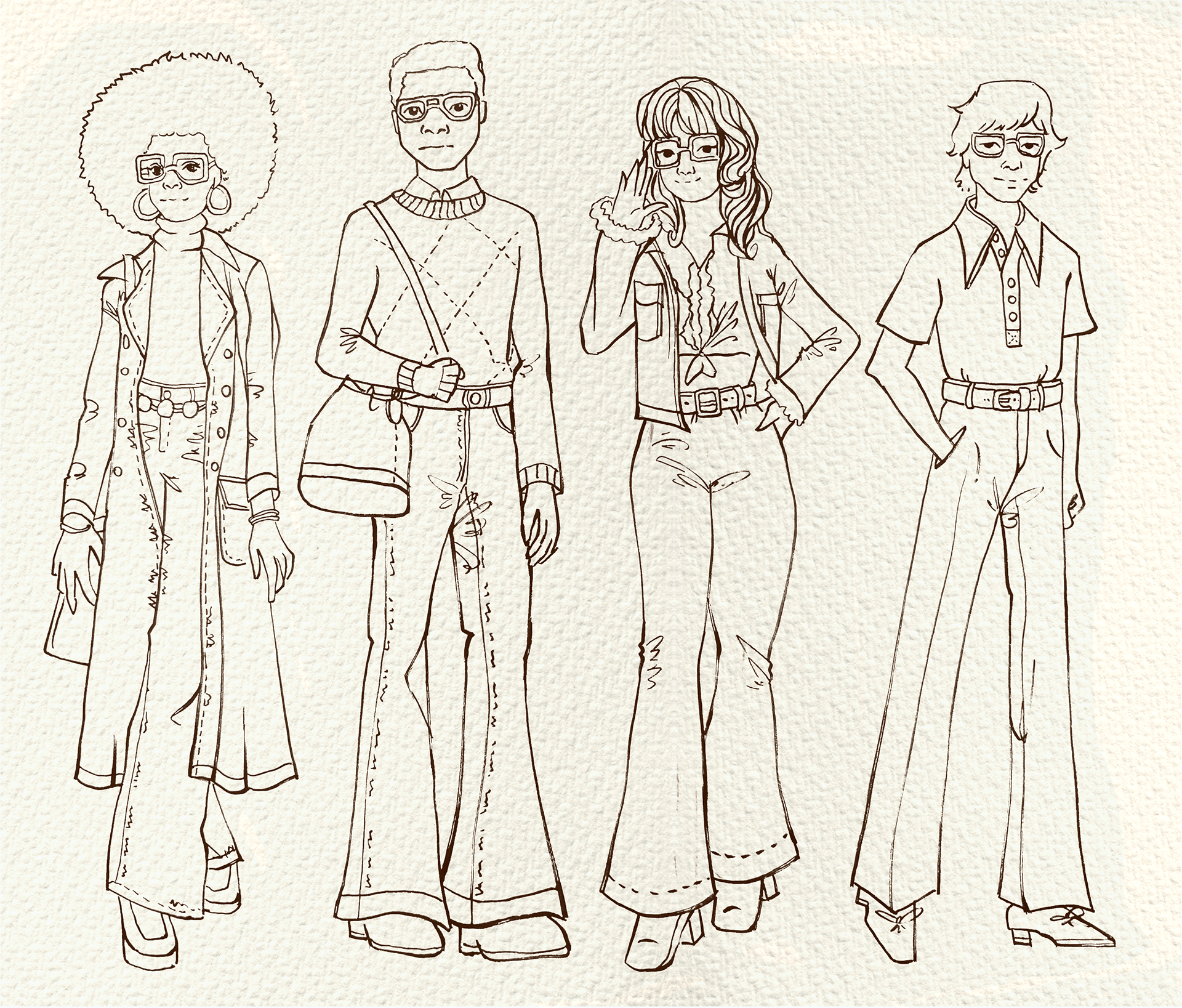
my FASHION DRAWING PROCESS PHOTOS
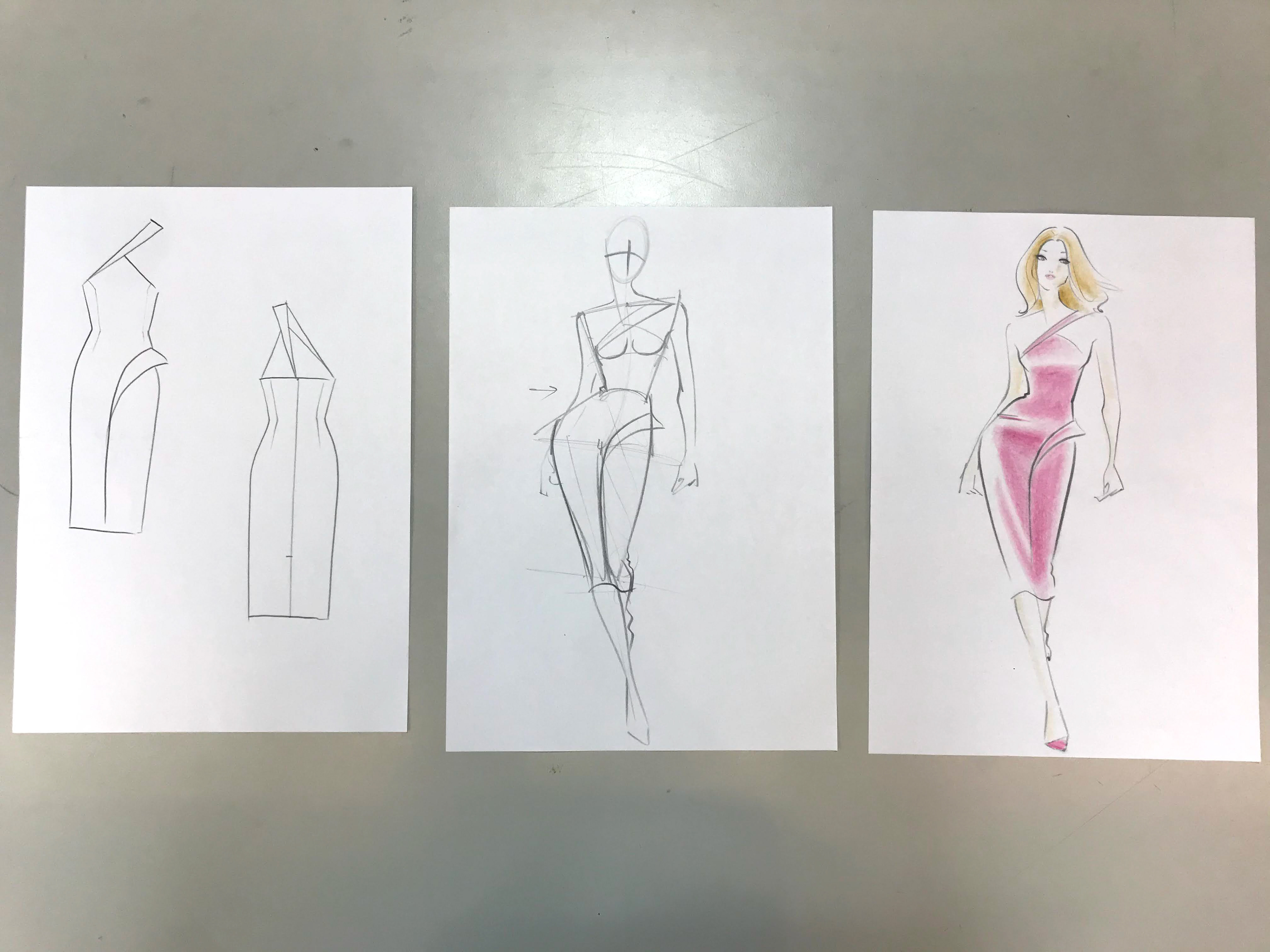
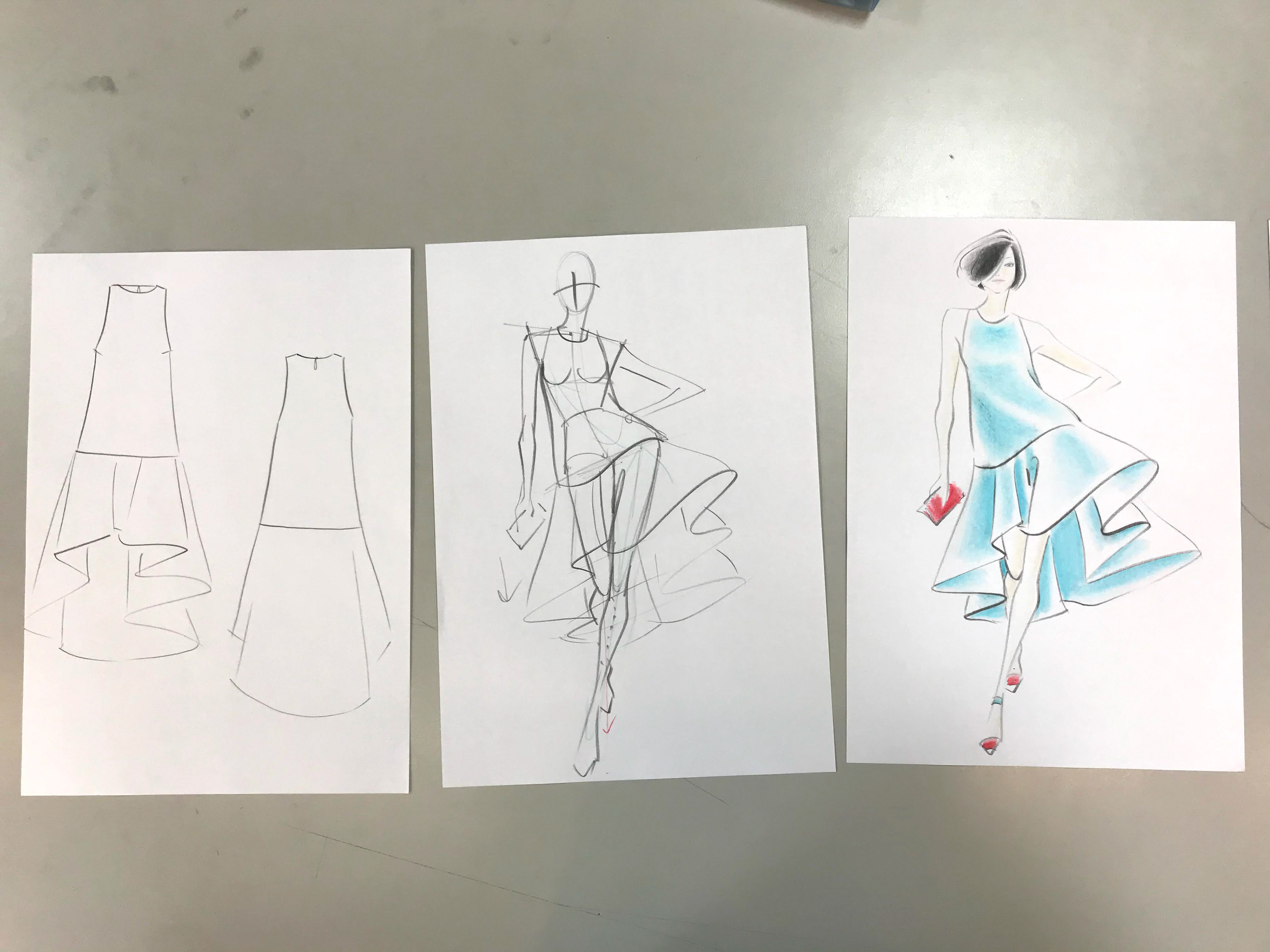
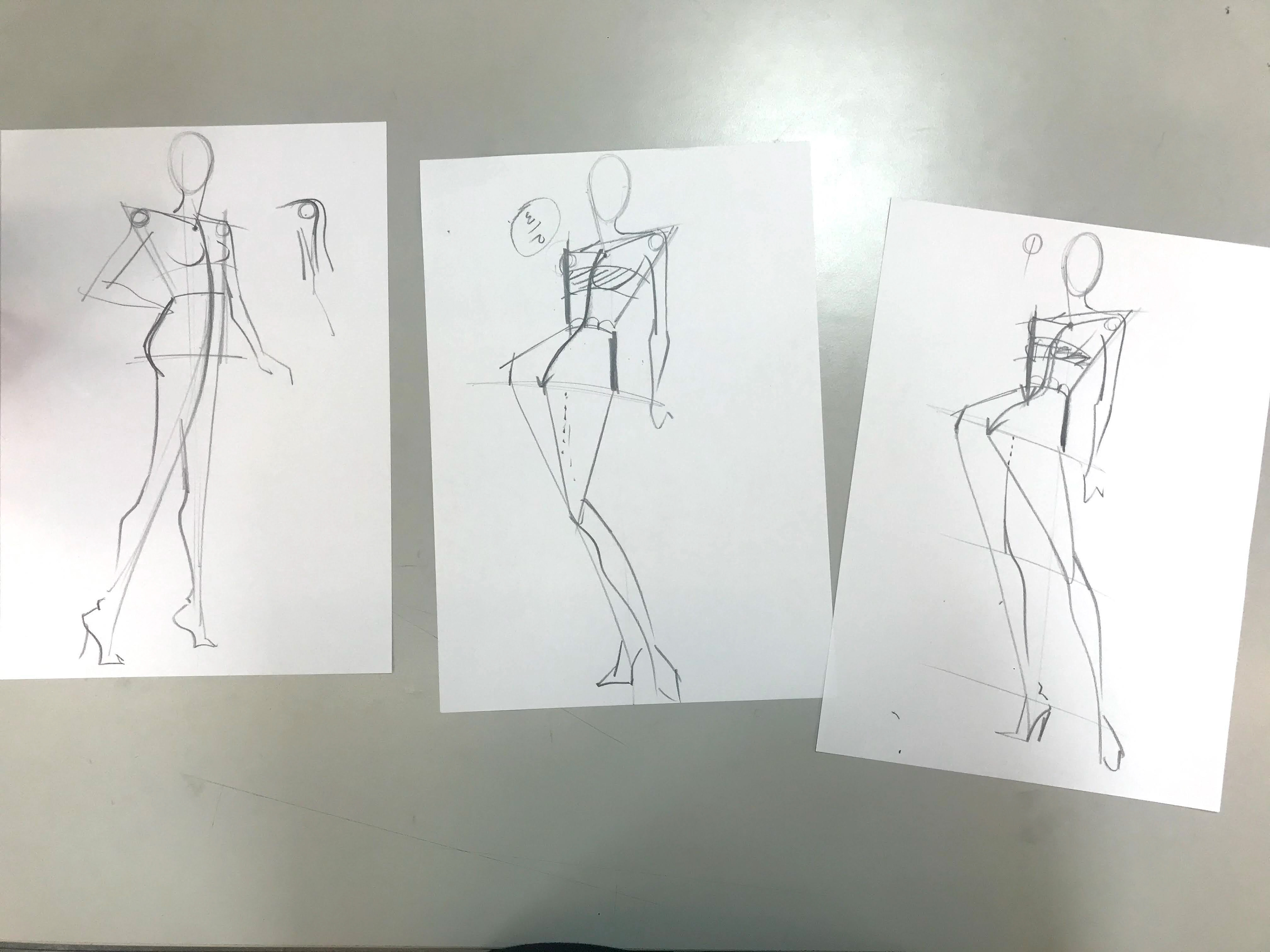
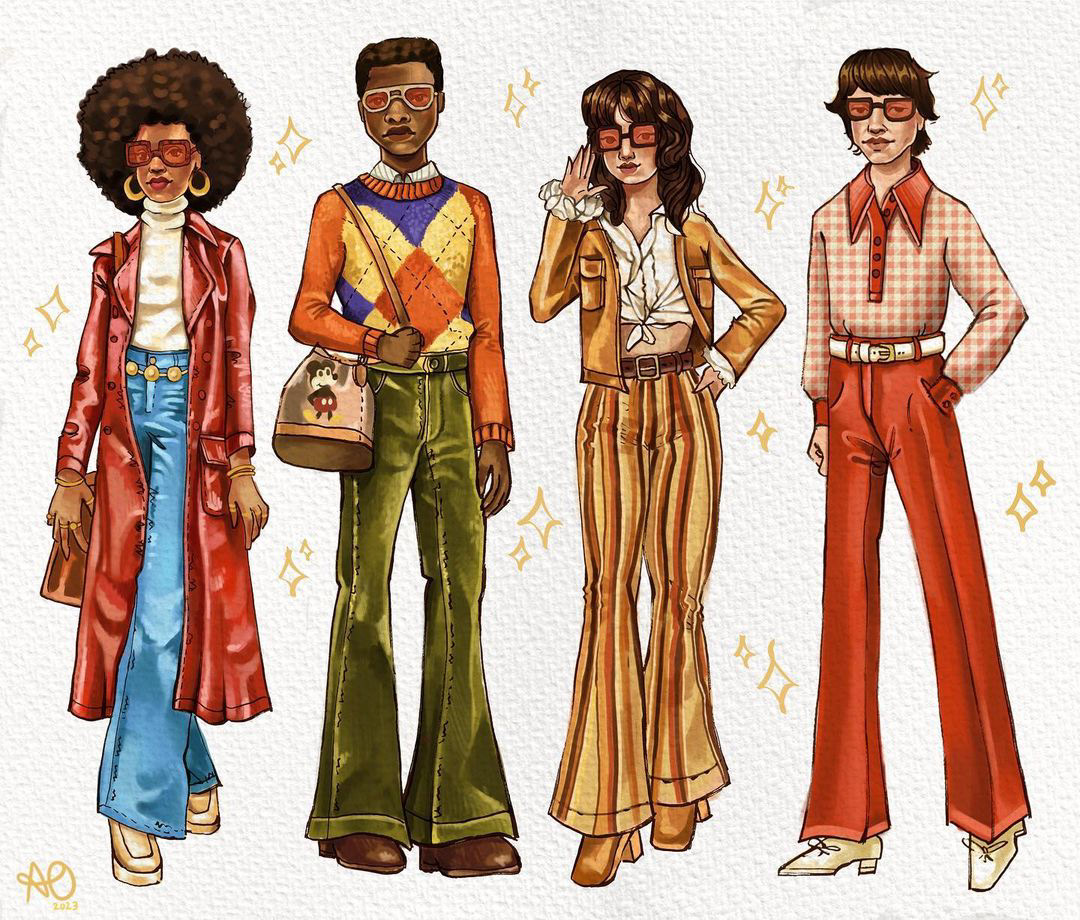
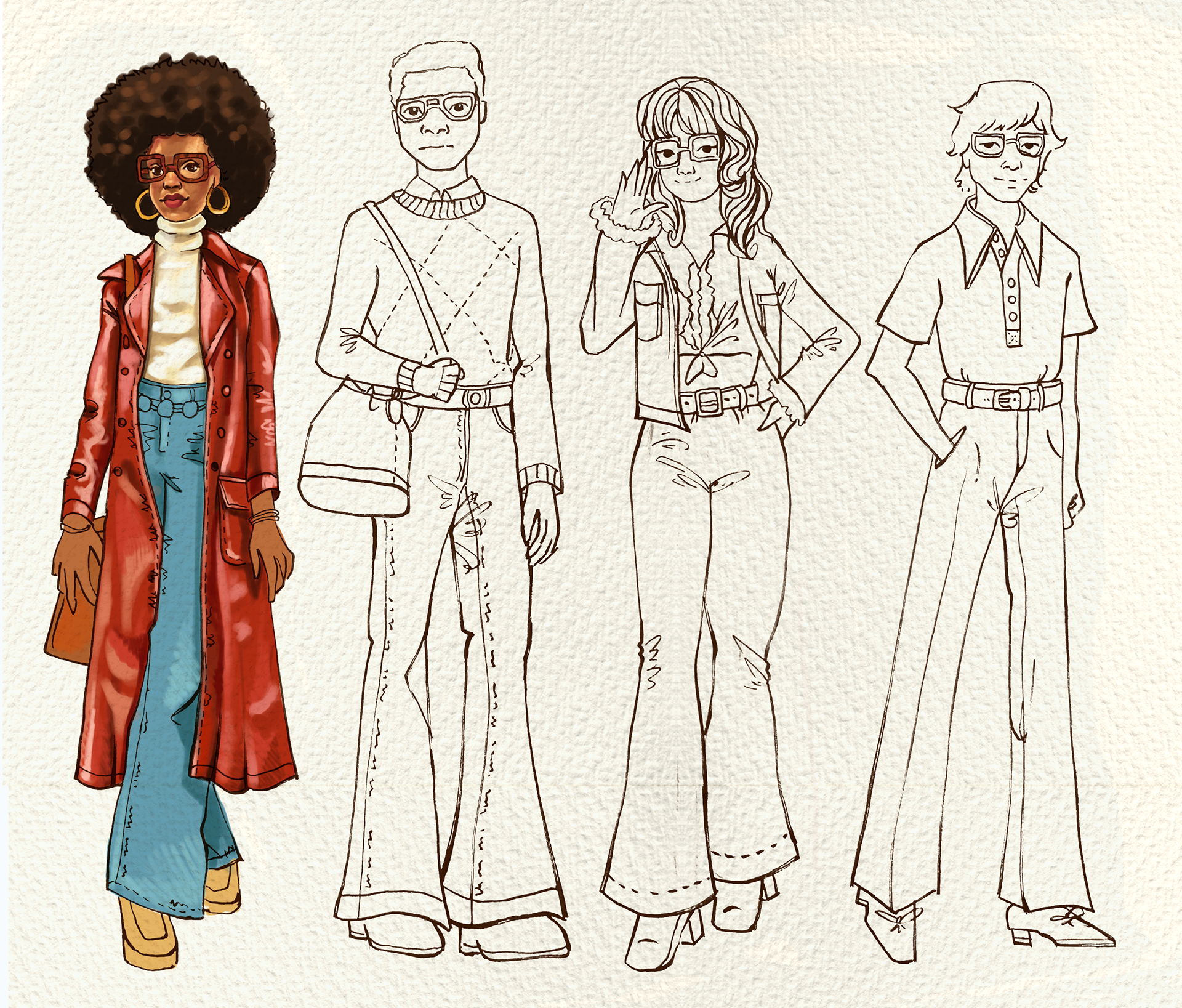
70s inspired outfits
PLA Planner – Credit Award for Fashion Design & Fashion IllustratioN
Anisa Ozalp received 9 credits total for her prior learning in Fashion Illustration and Fashion Design. The evaluator, Christine Holzer, recommended awarding 5 credits for Fashion Illustration and 4 credits for Fashion Design. The evaluation was based on Anisa’s documentation, learning essay, interview, and prior coursework/creative work from Shih Chien University, demonstrating her advanced skills in illustration, garment design, color theory, fabric use, and fashion concept development.
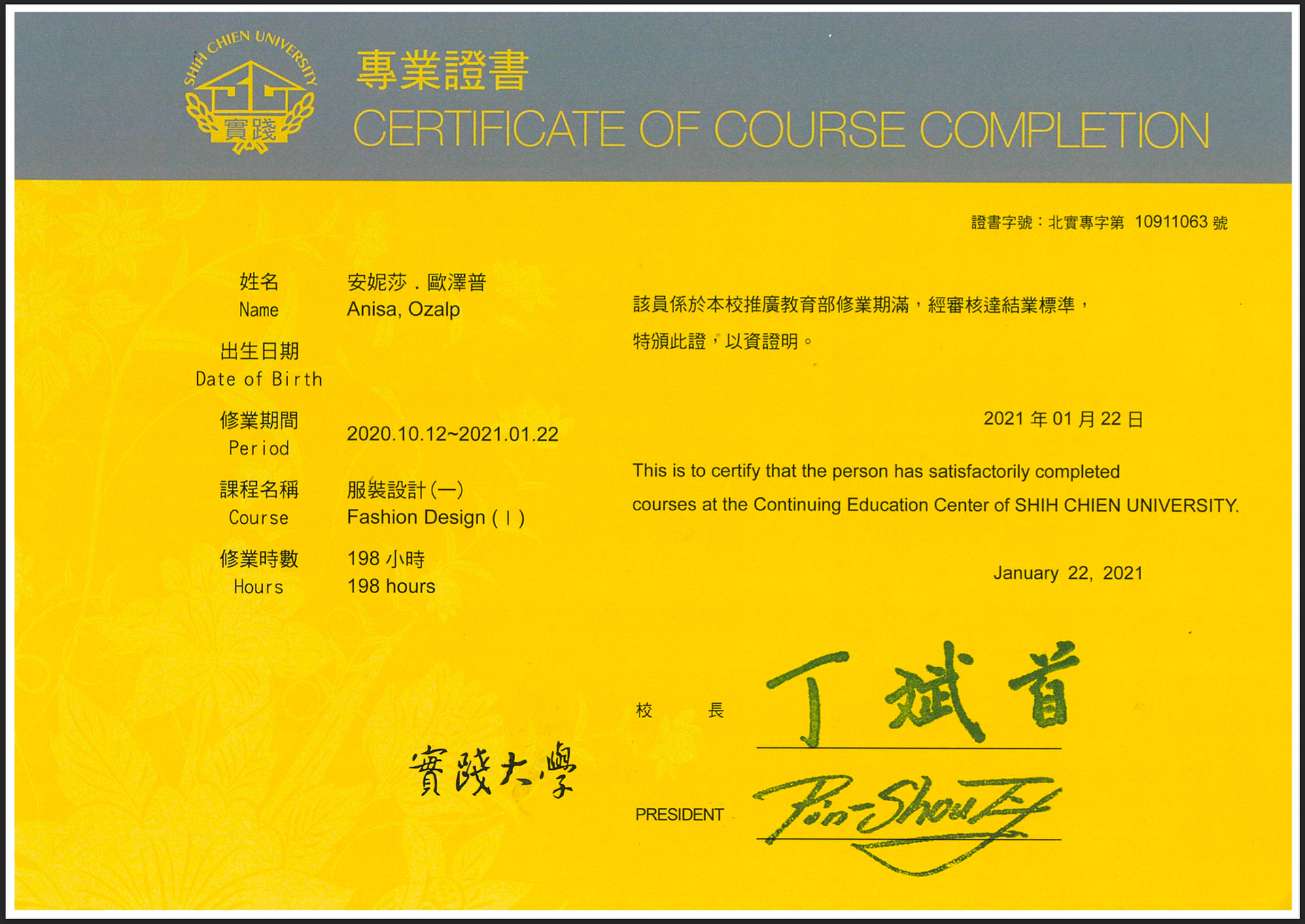
FASHION DESIGN CERTIFICATE RECEIVED FROM SHIH CHIEN UNIVERSITY (2021)
Fashion Design and Merchandising focuses on the development of creative and technical skills, from fashion design fundamentals to industry-level application. The program guides students step by step, beginning with basic sewing techniques and progressing toward the creation of a complete personal collection.
The curriculum supports experimentation, originality, and personal design development. Courses combine essential techniques with foundational industry knowledge, helping students build a strong creative identity and integrate clear design concepts into each garment.
The main areas of study include Fashion Design, Apparel Construction, Fashion Illustration, Textile Design, and Color. By the end of the course, students present an original collection that reflects their personal vision, technical growth, and design process. Additional courses in 3D moulage and computer-aided design provide further preparation for professional work in the fashion industry.
Specialized courses in fashion buying, visual merchandising, fashion display, marketing, and branding introduce key aspects of the business side of fashion. Topics include brand positioning, price range control, market analysis, visual presentation, and merchandising strategy, supporting the development of well-rounded fashion professionals with strong technical skills and personal taste.
SHIH CHIEN UNIVERSITY FASHION DIPLOMA
The Fashion Design Certificate I received from Shih Chien University consisted of the following courses:
➊ Pattern Drafting and Dress Making
➋ Fashion Illustration
➍ Study of Color in Fashion Design
➎ Fashion Lecture
➏ Fashion Design
Where creativity wears couture
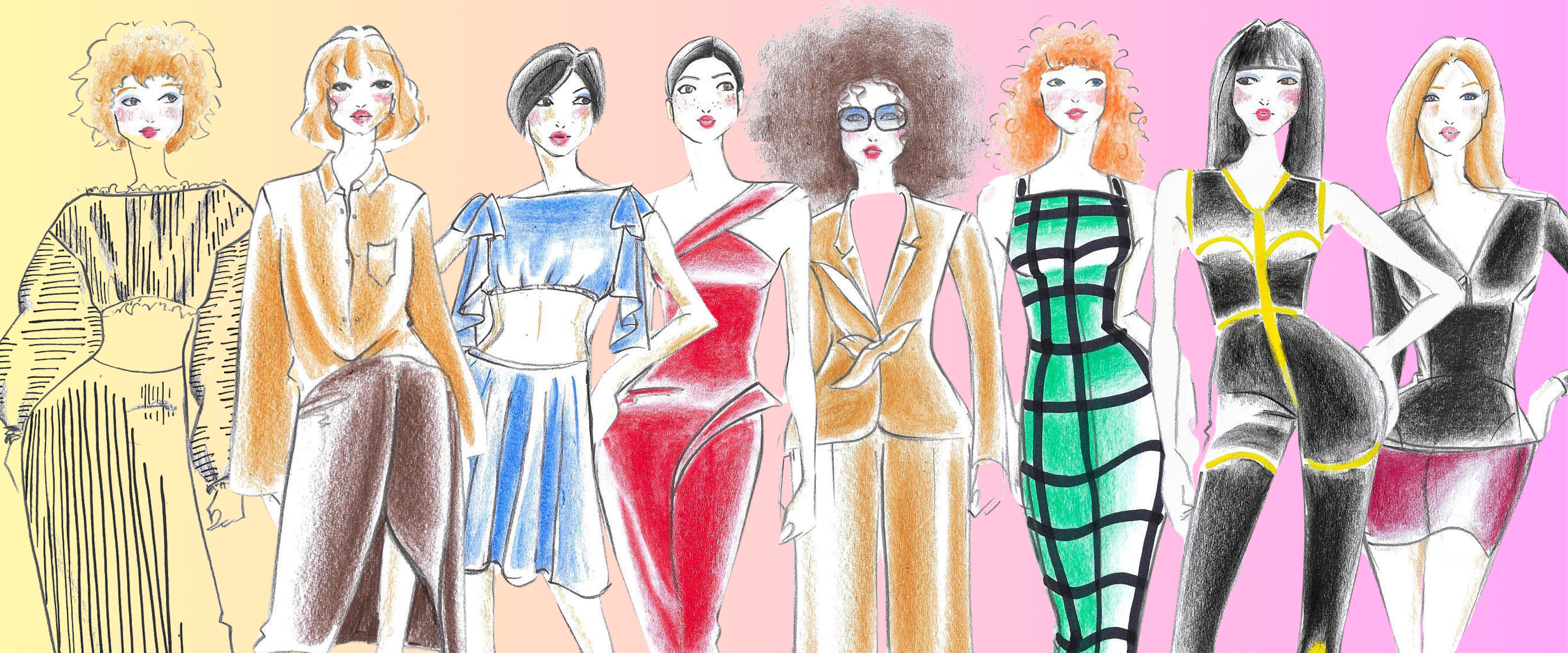
Step into the vibrant world of fashion drawings brought to life by the artistic flair of Anisa Ozalp. In this captivating collection, Anisa showcases her love for creating fashion drawings, encompassing various sketches, experiments, and designs. These extraordinary pieces are a compilation of her work during a Fashion Design Class in late 2020, where she delved into human anatomy, facial features, clothing, and outfit design.
Explore the intricacies of fashion through Anisa's meticulous attention to detail and her ability to capture the essence of each garment. Witness the stunning variety of fashion drawings, from expressive female and male faces to swimsuit designs, traditional Chinese-inspired outfits, underwater-themed creations, and imaginative ensembles inspired by hotpot, ice cream, and cake.
Anisa's expertise in fashion design is further enhanced by the Fashion Design Certificate she received from Shih Chien University in 2021. The comprehensive program included courses such as pattern drafting, fashion illustration, dress materials, a color study in fashion design, fashion lectures, and fashion design.
Experience a fresh perspective on fashion projects as Anisa invites you to collaborate with her. Whether you need fashion drawings for your current product or seek a unique artistic vision for your fashion project, Anisa's creative expertise will elevate your designs.
Unlock the secrets of Anisa's artistic process by watching her mesmerizing Speedpaint videos on her YouTube channel. Learn from her techniques, gain insights into fashion illustration, and immerse yourself in creativity and style.
Embrace the fashionable past and embrace the creativity of 70s-inspired outfits. Allow Anisa Ozalp's fashion drawings to inspire your imagination, infuse your designs with flair, and take your fashion projects to new heights.
#FashionDrawings #ArtisticExploration #AnisaOzalp #FashionDesignCertificate #CreativityInFashion
My Fashion and Clothing Design Journey
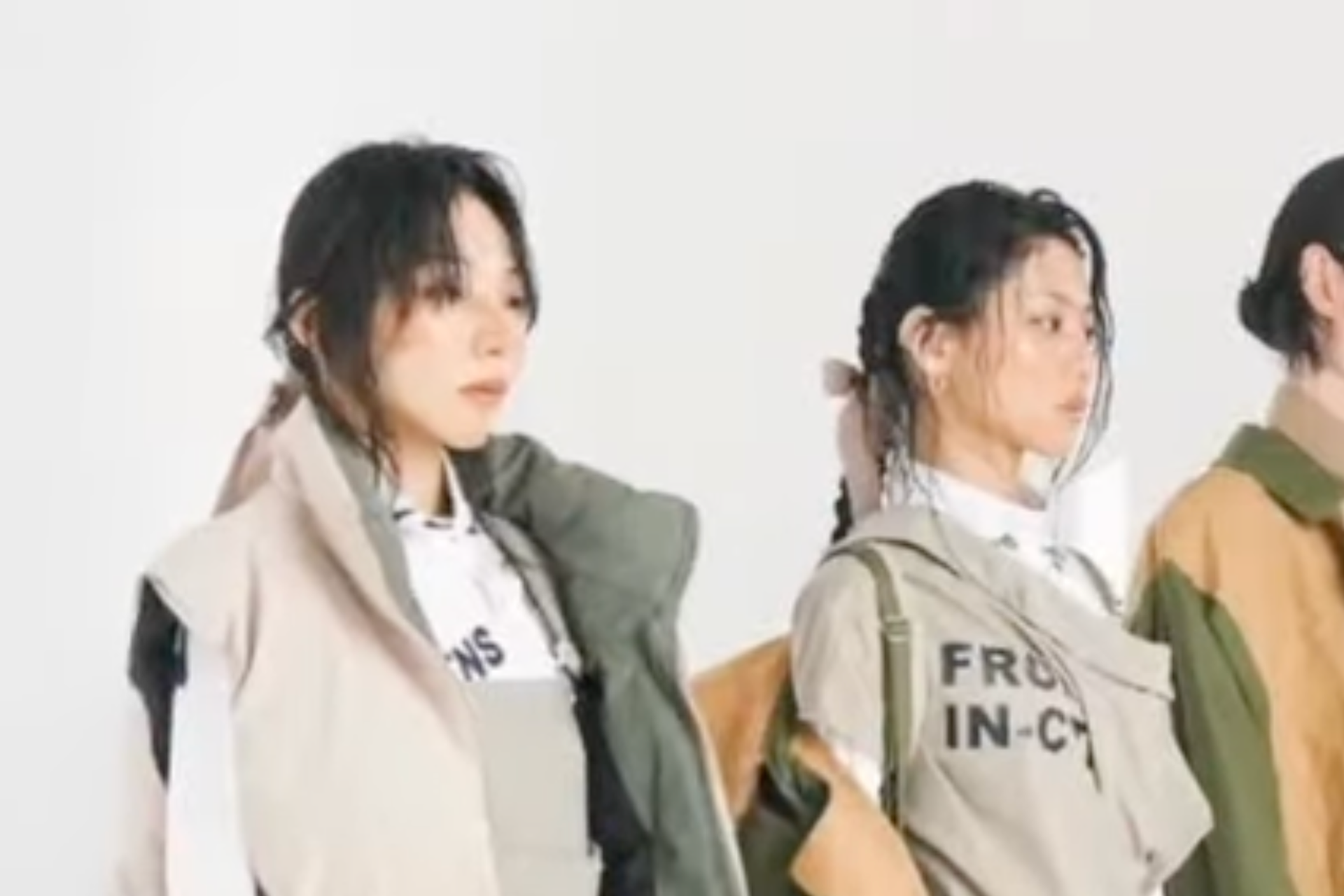
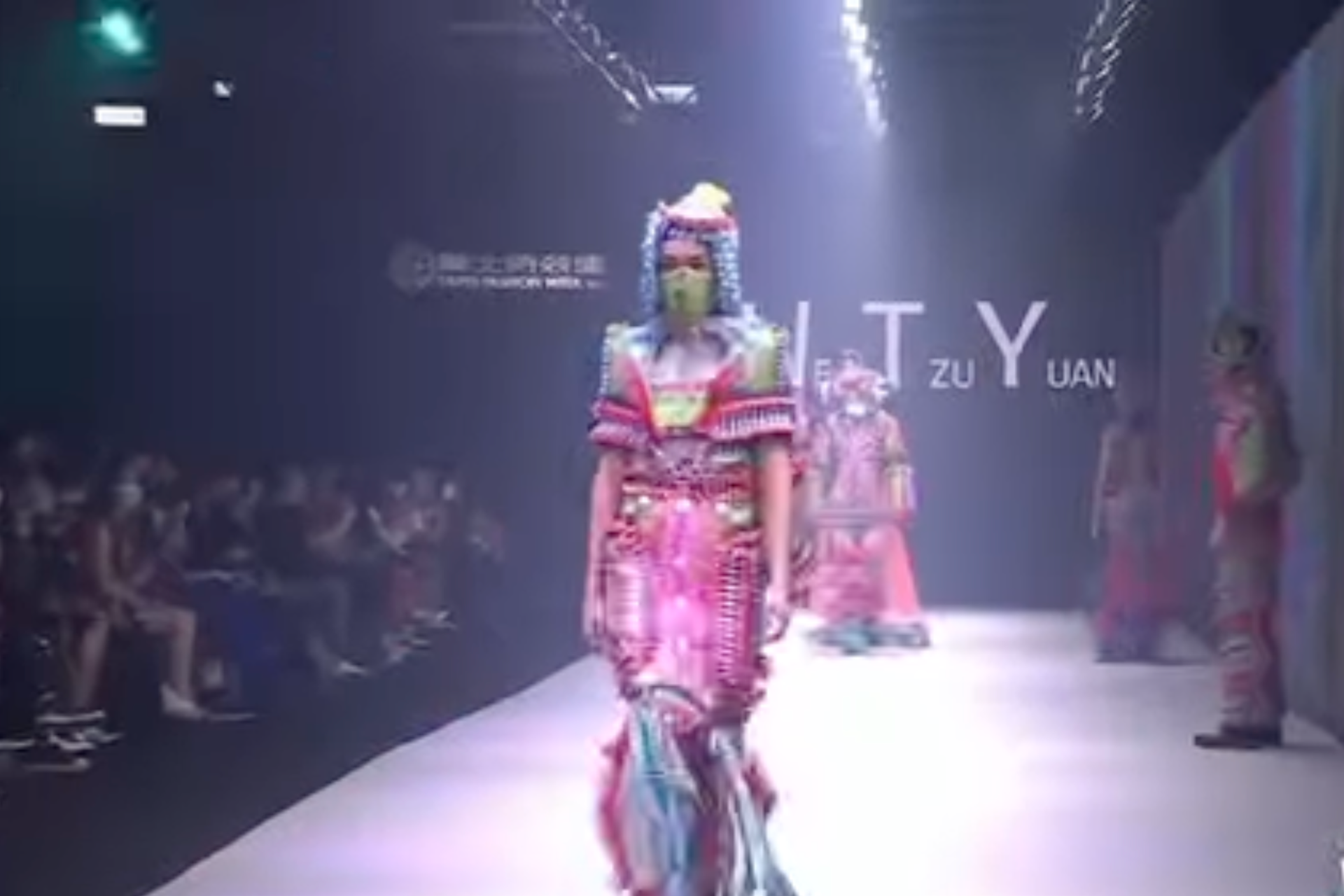
I completed formal training in Fashion Design through the Continuing Education Center at Shih Chien University in Taipei, Taiwan, and received a Certificate of Course Completion in January 2021. The program ran from October 12, 2020, through January 22, 2021, and totaled 198 instructional hours. The curriculum was structured to build professional competencies and guide students from foundational skills toward the creation of original design work and a personal collection.
The coursework was delivered in Chinese. My previous language study at Shih Chien University and National Taipei University of Education enabled me to follow technical instruction, participate in critiques, and complete assignments within a rigorous academic setting. This experience strengthened both my communication abilities and my capacity to apply specialized terminology in art and design.
The program included instruction in pattern drafting and dressmaking, fashion illustration, dress materials, color studies in fashion design, fashion lectures, and applied design practice. Through studio assignments, timed exercises, and iterative development, I learned to translate creative ideas into visual outcomes while understanding how garments function in real construction contexts.
This learning was completed through continuing education and was awarded academic credit on my ESU transcript. Based on the documented 198 instructional hours, the breadth of competencies developed across multiple areas of fashion practice, and the portfolio outcomes demonstrating integrated application of this knowledge, the learning represents the equivalent of 6 upper-division undergraduate credits in Fashion Design.
TRAINING OVERVIEW
Fashion Design Course — Shih Chien University (2021)
The program developed skills for the fashion design industry. Its purpose was to guide students with little to no fashion experience toward completing a personal collection. The coursework covered everything from basic sewing skills to the application of industry knowledge in fashion design.
The program developed skills for the fashion design industry. Its purpose was to guide students with little to no fashion experience toward completing a personal collection. The coursework covered everything from basic sewing skills to the application of industry knowledge in fashion design.
AREAS OF KNOWLEDGE
FASHION ILLUSTRATION AND CONCEPT DEVELOPMENT
My education in fashion illustration began with the disciplined study of the human figure adapted specifically for fashion communication. Unlike traditional anatomical drawing, fashion illustration requires exaggeration, rhythm, and clarity so garments and attitude can be understood immediately. I learned proportional systems used in the fashion industry, balance, gesture, and how posture communicates personality. Through repeated exercises, I practiced lengthening the figure, controlling weight distribution, and designing poses that enhance the garment rather than distract from it.
As my skills progressed, I moved beyond copying references and began developing a personal visual language. I experimented with line quality, silhouette emphasis, and varying levels of abstraction. My instructors encouraged us to think like designers rather than illustrators: the drawing needed to communicate an idea, define a customer, and establish mood.
We worked from conceptual prompts that required interpretation, research, and originality. For example, assignments based on underwater environments, sweets and desserts, and hot pot culture challenged us to translate non-fashion subjects into wearable design concepts. For underwater themes, I explored fluid shapes, layered transparency, and wave-like movement. For sweets and desserts, I interpreted frosting textures, playful color palettes, and sculptural volume. For hot pot concepts, I drew inspiration from steam, ingredient forms, and communal dining culture to influence structure and detail.
Each assignment required multiple thumbnails, refinement stages, and instructor critiques. I learned how to defend design choices, identify weak ideas, and strengthen visual impact through revision. Over time, my sketches became faster, more confident, and more communicative. I was no longer simply drawing clothing; I was building narratives through fashion.
This training sharpened my ideation process, increased my visualization speed, and strengthened my ability to express complex themes in a professional presentation format.
PATTERN DRAFTING FOR DRESSMAKING
Pattern Drafting and Dressmaking transformed creative vision into engineered reality. Through this training, I learned that successful garment construction depends on mathematics, precision, and sequencing just as much as artistic inspiration.
I was trained in the safe and efficient use of industrial sewing machines, including tension control, stitch selection, seam finishing, and production workflow. Accuracy became essential because even small misalignments could distort fit or reduce garment durability.
We constructed several complete garments throughout the program. While building a T-shirt, I practiced sleeve setting, neckline binding, and managing stretch behavior. During the button-up shirt project, I drafted and assembled collars, collar stands, plackets, and functional buttonholes, all of which required patience and careful sequencing. While constructing pants, I inserted zippers, built waistbands, attached pockets, and adjusted structure for movement, mobility, and balance.
Beyond garment assembly, drafting patterns directly from measurements marked a major turning point in my understanding of fashion construction. I learned how flat geometry transforms into three-dimensional form around the body. I also analyzed how seam placement affects comfort, how seam allowances influence alterations, and how proportions shift when garments are worn.
Mistakes became valuable learning experiences. Through fittings, corrections, and revisions, I developed stronger problem-solving skills and learned to anticipate construction challenges before sewing even began. This experience gave me the technical ability to transform design ideas into functional garments.
DRESS MATERIALS AND TEXTILE UNDERSTANTING
In Dress Materials studies, I learned how fabric selection affects both design success and construction strategy. I worked with textiles such as silk, cotton, rayon, knit, wool, linen, and polyester, and learned that each material behaves differently during cutting, pressing, stitching, and finishing.
Because fabrics vary in stretch, thickness, drape, and surface texture, they also require different machine settings, handling techniques, and construction methods.
An applied assignment strengthened this understanding further. We were given scrap fabrics with different textures and materials and asked to create a garment on a small mannequin using only pinning techniques without sewing. This exercise forced me to think like a designer working in real time. I had to evaluate how fabrics fold, hold structure, collapse, or stretch, and how texture changes the visual impression of silhouette.
The exercise also revealed how material choice can dramatically affect a final design outcome, even when the design concept itself remains unchanged.
We additionally created color and texture palettes for potential garments, learning how fabrics contribute to mood, atmosphere, and identity. We also studied how textiles are manufactured and processed, which helped me understand why certain fabrics behave differently, how quality changes through production methods, and how textile selection influences both practicality and cost.
STUDY OF COLOR IN FASHION DESIGN
Through the Study of Color in Fashion Design, I developed a strong understanding of how color functions as one of the most powerful tools in apparel creation. I learned foundational color theory, including primary, secondary, and tertiary colors, warm versus cool palettes, and the relationships between hue, value, and saturation.
I practiced understanding how tints, tones, and shades can shift the visual character of a design and change how a garment feels emotionally and aesthetically.
A major part of the course emphasized that color is emotional and psychological, not merely decorative. I learned how audiences emotionally respond to different colors and how designers use color strategically to communicate meaning.
For example:
Red can communicate energy, passion, urgency, or power.
Blue often feels calm, stable, and trustworthy.
Yellow can appear optimistic and playful but also intense at high saturation.
Green suggests balance, growth, freshness, or nature.
Purple often communicates creativity, mystery, or luxury.
Black is associated with elegance, authority, and minimalism.
White can communicate purity, simplicity, or modernity.
Understanding these associations helped me make color decisions that supported a garment’s message and intended audience.
I also learned that fabric changes the appearance of color. Texture, shine, weave, layering, and material quality can make the same color appear richer, softer, brighter, or darker. This reinforced the importance of testing color decisions alongside textile choices.
Finally, I learned how designers create cohesive palettes for full collections, consider seasonal direction, and adapt color choices for different markets and cultures while using professional systems to communicate color accurately for production.
FASHION LECTURES AND INDUSTRY AWARENESS
Fashion Lectures and Industry Awareness introduced me to the business and branding side of fashion and helped me understand how creative work becomes a marketable product.
We studied how major brands developed their identity and influence, including examples such as Prada, Gucci, and Louis Vuitton. We discussed how design language, branding, marketing, and consistency contribute to long-term success within the fashion industry.
One major practical component was a group assignment in which we were placed into teams and asked to develop a mock fashion brand. Together, we created the brand identity, concept, and early development stages, which gave us hands-on experience with the process of building a brand from the beginning.
This assignment strengthened my understanding of how branding decisions influence design choices and how teamwork, communication, planning, and presentation affect professional outcomes.
These lectures expanded my understanding of how fashion design connects to production, marketing, retail, merchandising, and customer identity, while also demonstrating how designers operate within a larger system shaped by deadlines, target audiences, and market direction.
GARMENT DESIGN
Garment Design connected concept development to complete design outcomes. In this part of the program, I learned how to transform creative ideas into wearable garments by considering silhouette, proportion, fit, and style.
I strengthened my fashion sketching skills and learned how to communicate construction and design details clearly so garments could be understood as complete design proposals.
As a major assignment, I created a collection based on a concept of my choice, produced fashion illustrations for the complete set of looks, and presented the concept and creative direction behind the collection.
This required me to develop a cohesive theme across multiple garments rather than designing a single outfit. I needed to make consistent decisions about color direction, material choices, silhouette language, and the intended emotional atmosphere of the collection.
Presenting the collection strengthened my ability to explain design reasoning, communicate inspiration clearly, and describe how the work related to a specific audience or purpose.
This course ultimately strengthened my confidence in creating complete design proposals and presenting them professionally rather than simply producing isolated sketches.
CONCLUSION
My education at Shih Chien University provided intensive, structured training across the major foundations of fashion design. Through 198 instructional hours, along with substantial additional time spent outside of class completing assignments and projects, I developed strong competencies in fashion illustration, garment construction, textiles, color strategy, and professional presentation.
The studio-based curriculum demanded continuous production, revision, and disciplined application of feedback, closely reflecting real-world design expectations.
As a result, I not only strengthened my technical skills, but also developed the mindset and workflow of a designer by refining concepts through iteration, balancing creativity with practicality, and communicating ideas with clarity and purpose.
I am now able to develop and bring fashion concepts to life from initial idea through production, translating original designs into finished garments with confidence.
Given the documented instructional hours, structured curriculum, and demonstrated outcomes across multiple specialized areas, this body of learning resulted in 6 upper-division undergraduate credits in Fashion Design through my university during my degree program.
COMMISSION
If you seek a style overhaul for your Fashion Project and require fashionable sketches for your latest creation, feel free to reach out. Immerse yourself in the world of my sartorial masterpieces by indulging in my Speedpaint videos Youtube channel.
#how to draw hair, #how to draw a person #fashion designer, #how to draw people, #croquis, #how to draw a body, #fashion illustration, #fashion sketches, #fashion croquis, #fashion drawing, #how to draw a dress, #fashion drawings, #fashion design sketches, #fashion sketchbook, #how to design clothes for beginners, #fashion designing, #fashion figure drawing, #fashion illustration sketches